

Hunger and the Human Mind: Why Food Insecurity Is a Cognitive and Psychological Emergency
In public discourse, hunger is often framed as a nutritional crisis — a problem of calories, diets, and access to groceries. But this framing is incomplete.
In public discourse, hunger is often framed as a nutritional crisis — a problem of calories, diets, and access to groceries. But this framing is incomplete.

Mental illness is not limited to poverty. People experiencing financial insecurity face intense, chronic stress from unmet survival and safety needs — and that has predictable, damaging effects on mental health. But abundance isn’t a cure: the wealthy can be mentally unwell in ways that are less visible but no less consequential.

In this article, we explore the benefits and risks of community on mental health, backed by research and expert commentary.

America’s housing crisis has reached a breaking point. Homeownership — once considered the foundation of the American Dream — has become increasingly out of reach for millions. Prices continue to rise faster than wages, and even middle-class households are struggling to afford a place to live. In this climate, a dramatic proposal has entered the…

The debate over hemp-derived THC products is reaching a turning point — and the economic implications are enormous. With Congress moving to ban intoxicating hemp products nationwide, many are asking what will happen to the $28 billion hemp industry and the hundreds of thousands of workers who depend on it. The problem isn’t that THC products exist — it’s that a lack of federal regulation has left the industry exposed to a sweeping shutdown rather than meaningful reform.
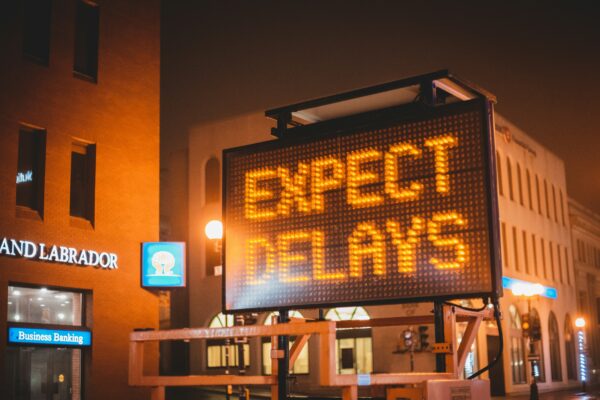
The federal government may have reopened, but the shutdown left a lasting scar on the nation’s economic picture — and the damage is far from symbolic. At the center of the crisis is the disruption to the nation’s most important economic benchmark: the monthly jobs report. Without it, understanding job growth, unemployment, and the direction of the economy becomes guesswork.

The idea of living forever is one of humanity’s oldest obsessions. From mythology to medicine to Silicon Valley futurism, the possibility of extending life indefinitely appeals to our fear of death and our desire to witness the future. But when we examine immortality beyond the fantasy and look at the ecological, economic, psychological, and ethical consequences, the dream becomes far more complicated.

Artificial intelligence has become the new engine of the global economy — transforming how we work, communicate, and innovate. But as the race to build smarter, faster, more capable AI systems accelerates, a pressing question emerges: how much energy does it take to power intelligence itself? And as the world builds new data centers at record speed, who will ultimately pay the price?

In a world increasingly defined by stress, uncertainty, and isolation, mental health is under greater strain than ever before. The COVID-19 pandemic not only worsened anxiety and depression — it may also have unmasked a deeper trend: a rise in schizophrenia spectrum disorders.
New research is challenging long-held assumptions about how common schizophrenia really is. What was once thought of as a rare psychiatric illness might, in fact, be far more widespread — and partly triggered by the stressors of modern life.

For much of the past two years, artificial intelligence has been the single biggest driver of excitement—and valuation—in the global stock market. From Nvidia’s meteoric rise to the explosion of AI startups backed by venture capital, the narrative of unstoppable AI growth has captivated investors and the public alike. But as recent market signals show,…