What a Millionaires Illness Teaches Us About Longevity
For a man who has structured his entire existence around the singular goal of “not dying,” this sudden illness exposes a massive fundamental flaw in the modern longevity movement.
There’s a quiet violence in the way money moves through our modern economy. It doesn’t look like violence, it looks like a swipe of a card, a tap of a phone, a two-day delivery box on the porch. But trace that transaction far enough and you’ll find a pipeline, one that pulls wealth out of…
Modern culture treats rest or recovery like a transaction. It’s the reward you are allowed to purchase with your productivity, earned only after you’ve proven your worth by running yourself ragged. The ambient noise of our society is a constant directive: work harder, sleep less, stay connected, consume more. In this framework, deep exhaustion is…
Predictions have a way of humbling everyone. Political analysts miss historic electoral realignments, economists routinely overlook impending recessions, and military strategists are caught off guard by sudden conflicts. The reality of global systems is that they are inherently complex, chaotic, and non-linear.
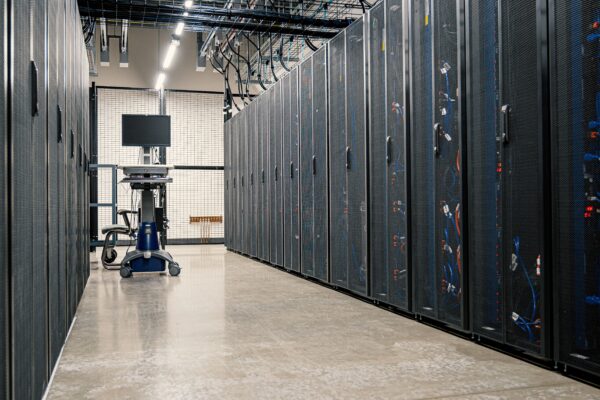
Every photo uploaded to the cloud, every video streamed, every online purchase completed, and every question asked of an AI assistant relies on a vast physical infrastructure that most people never see. Data centers, the warehouses of the digital age, have become essential to modern life. They power social media platforms, banking systems, hospitals, government…
We often hear that modern society is wealthier than ever before, but not about time poverty. Technology has completely transformed our daily lives, and productivity has skyrocketed. Tasks that once took hours can now be completed in minutes. Groceries are delivered straight to our doorsteps. Artificial intelligence summarizes complex research instantly. Smartphones connect us to…
Economic recessions are often described through statistics. GDP contracts. Unemployment rises. Stock markets fluctuate. Inflation accelerates or slows. Yet beneath every economic chart lies a profoundly human story. Recessions alter how people think, what they fear, whom they trust, and how they spend their money. They reshape communities and redefine priorities. They influence mental health,…
Today, AI systems can answer questions instantly, summarize documents, retrieve information from vast databases, and increasingly act as personalized assistants. Rather than storing information internally, people are beginning to rely on external systems to remember facts, tasks, conversations, and even personal experiences.
Human beings are more technologically connected with online community than at any other point in history, yet loneliness, exhaustion, anxiety, and social fragmentation continue to rise. Entire industries now exist to sell people forms of care, connection, relief, and emotional support that communities once provided more organically.
Conspiracy theories are no longer confined to the edges of society. They are not limited to late-night radio shows, obscure internet forums, or whispered conversations about secret societies. Today, conspiracy theories are mainstream cultural forces shaping politics, public health, media, and even personal relationships.