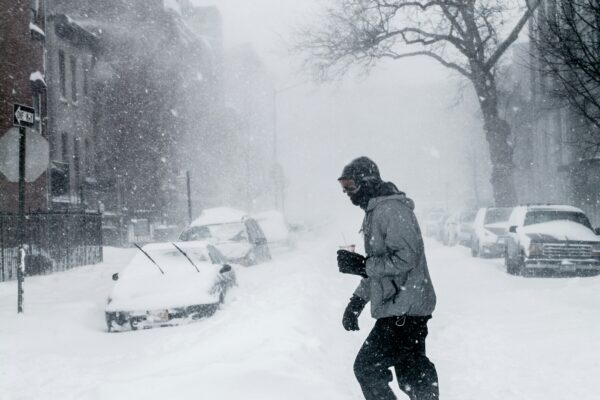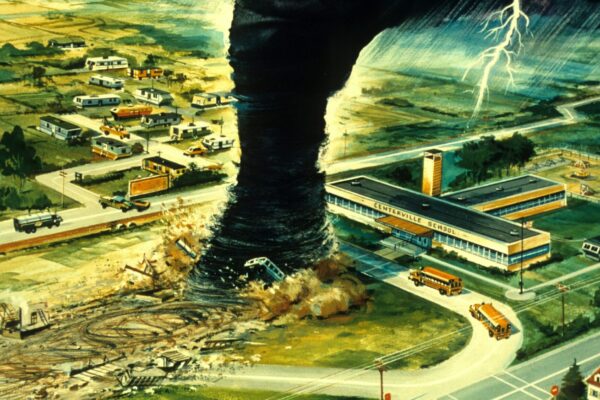
Weather Prediction becomes hard when weather is unstable. The image shows a storm ruining a small town.

Why Weather Prediction Feels Worse Than Ever—Even as the Science Improves

Weather prediction has never been more powerful, and yet it has never felt less reliable to the average person. Professional meteorologists, climate scientists, and emergency planners have access to models and data streams that would have been unimaginable even two decades ago. Global numerical weather prediction systems now simulate the atmosphere at resolutions once reserved…


Read More
Digital device displaying green code with device alerts

Device Alerts and Device Design: How They Shape Our Bodies and Minds

We often talk about device alerts and device design in terms of productivity, convenience, and connection. We talk about screen time, social media, and distraction. But far less attention is paid to something deeper and more fundamental: how the modern sensory environment created by our devices interacts with the human mind and body directly. Phones,…

Read More
Three recyclable or biodegradable packaging coffee cups displayed

Why Biodegradable Packaging Still Struggles in a Plastic-Dominated World

Biodegradable packaging is often presented as a clear alternative to conventional plastic. If plastic pollution is accumulating in oceans, soils, food chains, and human bodies, then materials designed to break down safely should be an obvious replacement. Yet despite decades of innovation and growing public concern, petroleum-based plastics still dominate global packaging markets. The persistence…

Read More
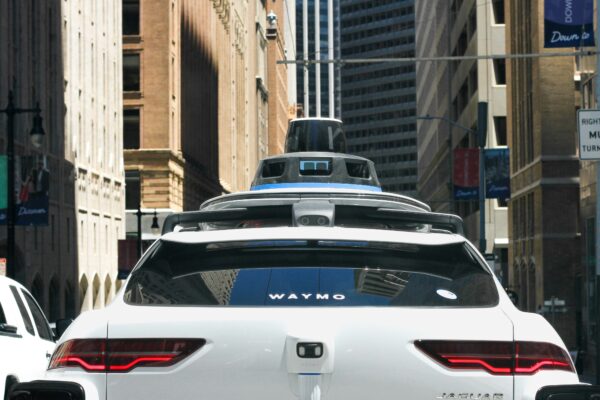
Autonomous vehicles -Self-driving car in urban environment

Autonomous Vehicles and the Cost of Convenience: Innovation at a Crossroads

Autonomous vehicles were once framed as an inevitability — a clean technological arc that would move transportation forward in the same way seatbelts, airbags, and GPS once did. For years, the public conversation leaned heavily toward promises: fewer crashes, cheaper transportation, reduced congestion, and newfound freedom for people unable or unwilling to drive. The assumption…

Read More
Person sitting on a leather couch, head in hand with compassion fatigue

Moral Fatigue in the Age of Advanced Information: Understanding, Surviving, and Responding

Since 2020, the world has experienced an unprecedented cascade of historic events—pandemic, political upheavals, wars, climate disasters, social movements, economic shifts, and rapid technological transformation. These collective experiences have not only shaped global history, they have also exerted extraordinary psychological and emotional pressure on individuals around the world. As news cycles compress and digital platforms flood us with information, many people find themselves exhausted not just physically, but morally and emotionally. This state—commonly described as moral fatigue or compassion fatigue—is increasingly recognized as a widespread response to continuous exposure to global crises.

Read More
Sign indicating availability for hire and indicating that more are open in the job market.

The State of the Job Market in 2025: A Look Back

In 2025, millions of workers experienced instability not because companies were failing, but because corporations were reorganizing around scale, automation, shareholder demands, and mergers. Layoffs were not isolated accidents or cyclical miscalculations. They were part of a larger economic realignment driven by consolidation, monopoly power, and financial engineering.

Read More