
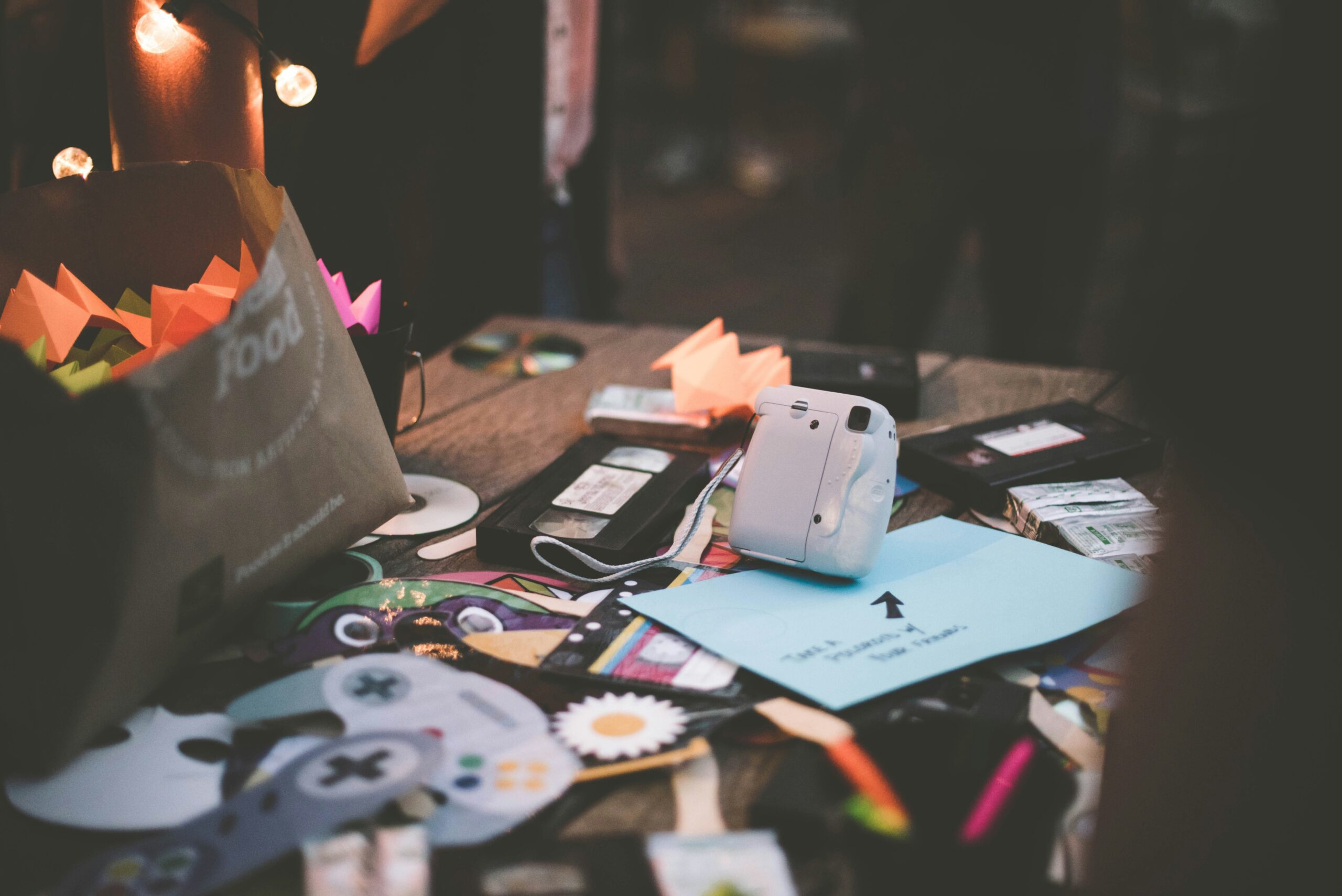
Americans live in a world filled with material objects: furniture, clothing, gadgets, vehicles, tools, books, decorations, toys, and more. In the modern U.S. economy, not only are goods abundant, but entire businesses—big-box retailers, logistics companies, and storage firms—exist to ensure that possessions move from production to purchase to storage with extraordinary efficiency.
But what role do all of these things actually play in our lives? When does physical stuff support our security, productivity, and self-expression? When does it become excess that weighs on our wallets, our minds, and the environment? How can we make smarter decisions about what we bring into our homes, what we keep, and what we let go?
In this examination, we look at how stuff functions in American life—its benefits, its costs, and how individuals and families can cultivate more purposeful consumption while preserving value.
The Scale of Stuff in American Life
Americans are surrounded by more material goods than almost any society in history. This is not just anecdotal; it shows up in industry data, real estate patterns, consumer spending, and clinical research.
Self-Storage: Evidence of Overflowing Stuff
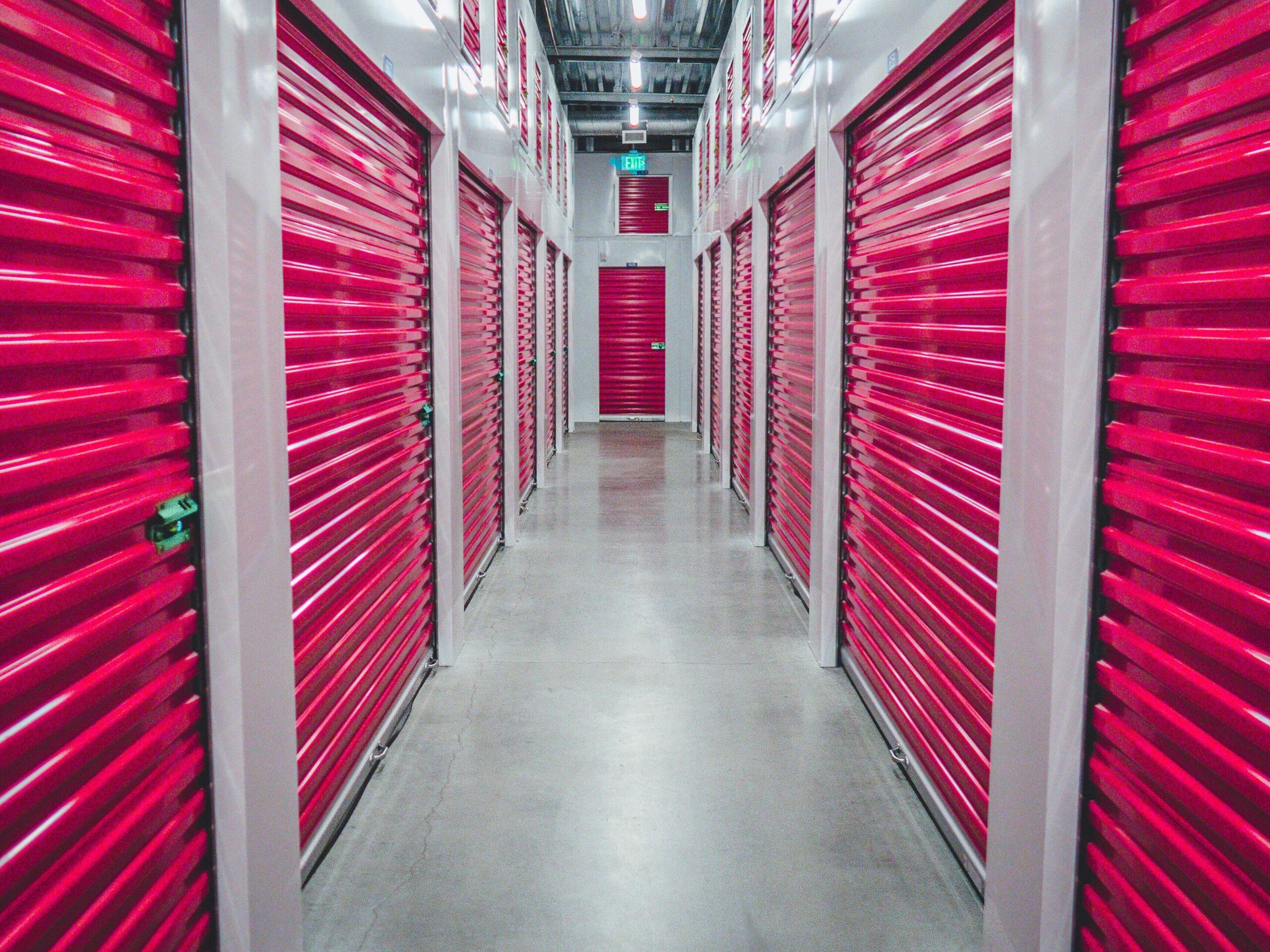
One of the clearest signs of how much people own is the size of the self-storage industry.
- In the United States alone, the self-storage industry generates an estimated $23 billion to $44 billion in annual revenue. There are tens of thousands of self-storage facilities nationwide serving roughly 1 in 10 U.S. households. Many people pay monthly to keep items they do not currently use.
Source: https://www.neighbor.com/storage-blog/self-storage-industry-statistics/
Source: https://alansfactoryoutlet.com/blog/self-storage-industry-statistics/ - Industry research projects continued growth in self-storage, driven by urbanization, housing transitions, lifestyle patterns, and prolonged retention of goods.
Source: https://forgebuildings.com/2024-self-storage-industry-growth-projections-and-trends/
The massive scale of self-storage suggests that Americans repeatedly acquire more things than can fit comfortably in living spaces, and many are willing to pay ongoing fees to keep surplus possessions nearby rather than letting them go.
Second Homes: Another Layer of Material Accumulation
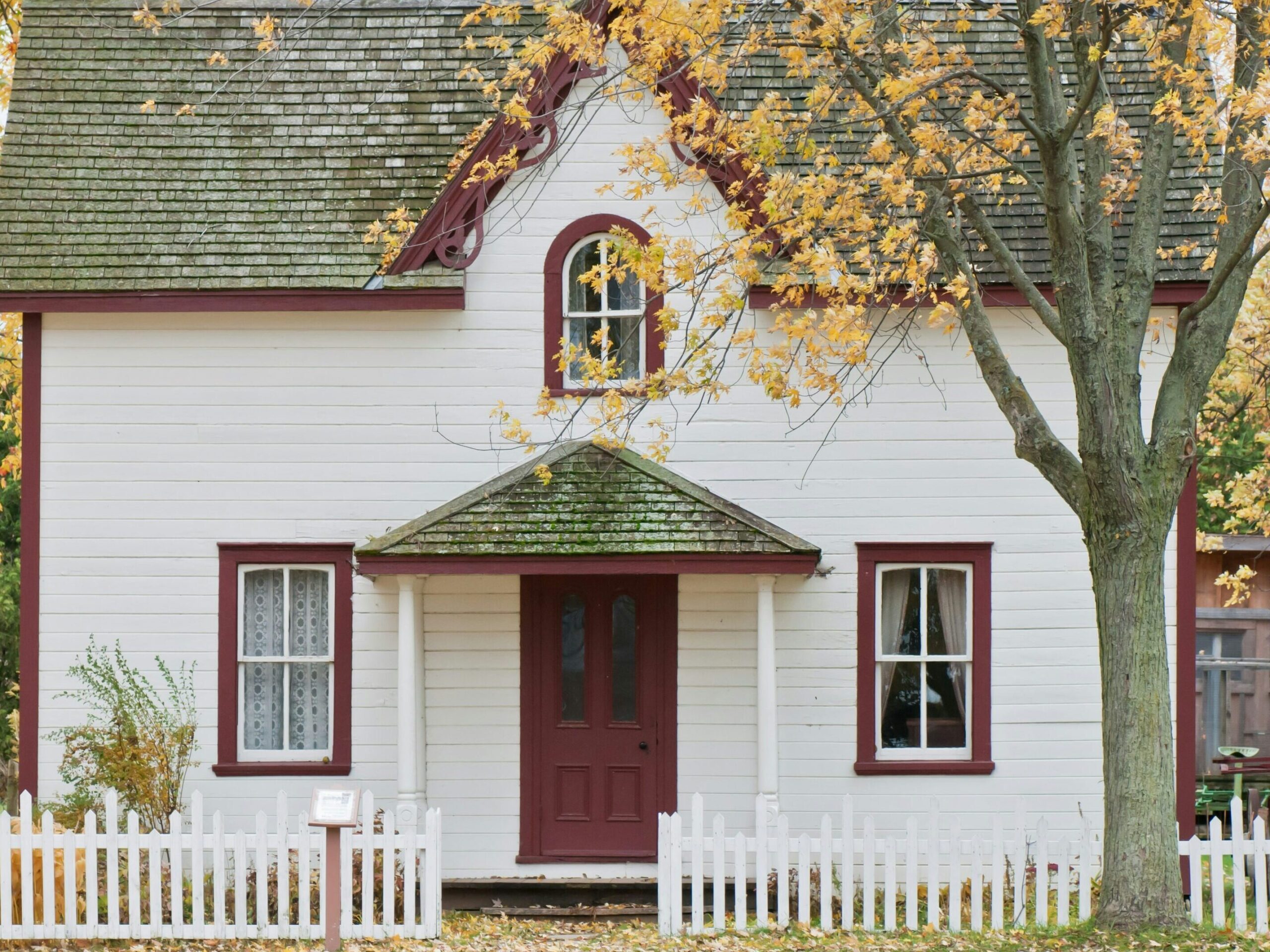
Stuff isn’t only “things in boxes.” It can also be living space—extra houses that are used occasionally, kept for vacation or investment.
- Estimates indicate there are about 5.7 million second homes in the U.S., representing around 4% of the total housing stock.
Source: https://eyeonhousing.org/2024/10/second-homes-by-congressional-districts/
Source: https://www.investopedia.com/only-4-6-of-u-s-homes-are-second-homes-but-millions-are-making-it-work-11820570 - Wealthier Americans are especially likely to own second homes: surveys find that roughly two out of three high-net-worth individuals own a second home, often used as a vacation retreat.
Source: https://www.nasdaq.com/articles/two-thirds-of-wealthy-americans-now-own-a-second-home%3A-heres-why-everyone-should-consider
Second homes are not just real estate—they are embodied possessions that require maintenance, furnishing, and insurance, and they create another “category” of belongings that require management. For many, owning multiple properties feels like a buffer of wealth and security. For others, it can compound costs and underutilized space.
Consumer Spending: More Goods Than Ever
Consumer spending data confirms that households continue to allocate a large share of their budgets to goods that often sit unused.
- On average, U.S. households spend over $77,000 per year on goods and services. A significant share goes to discretionary items—clothes, tech gadgets, decorative objects—that sit in closets, drawers, or storage units.
(Note: The number combines goods and services; a meaningful portion of the goods segment is non-essential consumption.)
This pursuit of goods is shaped by cultural narratives—comfort, status, identity—as well as reactions to economic insecurity. But the result can be an accumulation of possessions that yield little ongoing value.
When Stuff Supports Life and When It Burdens It
Stuff itself is not inherently good or bad. It becomes good or bad depending on how it functions in a person’s life.
Where Stuff Helps
There are many categories of possessions that are clearly beneficial:
Functional goods
Tools and appliances like power drills, weather-appropriate clothing, a well-made mattress, or a sturdy set of kitchen knives make daily life easier and are genuinely useful. These items reduce friction in routine tasks and can increase health and safety.
Emotional safety
For many people, having certain possessions can provide psychological comfort. People with histories of economic scarcity often feel more secure when they have physical buffers such as extra blankets, pantry supplies, or a reliable car—especially in times when money feels uncertain.
Identity and self-expression
Books, musical instruments, hobby gear, and art can mark identity, creativity, and community belonging. Clothes and accessories often help people present themselves professionally or socially. These goods contribute to meaning beyond mere utility.
In every one of these categories, stuff serves a purpose: it facilitates living, supports psychological well-being, and enables participation in society.
When Stuff Becomes “Too Much”
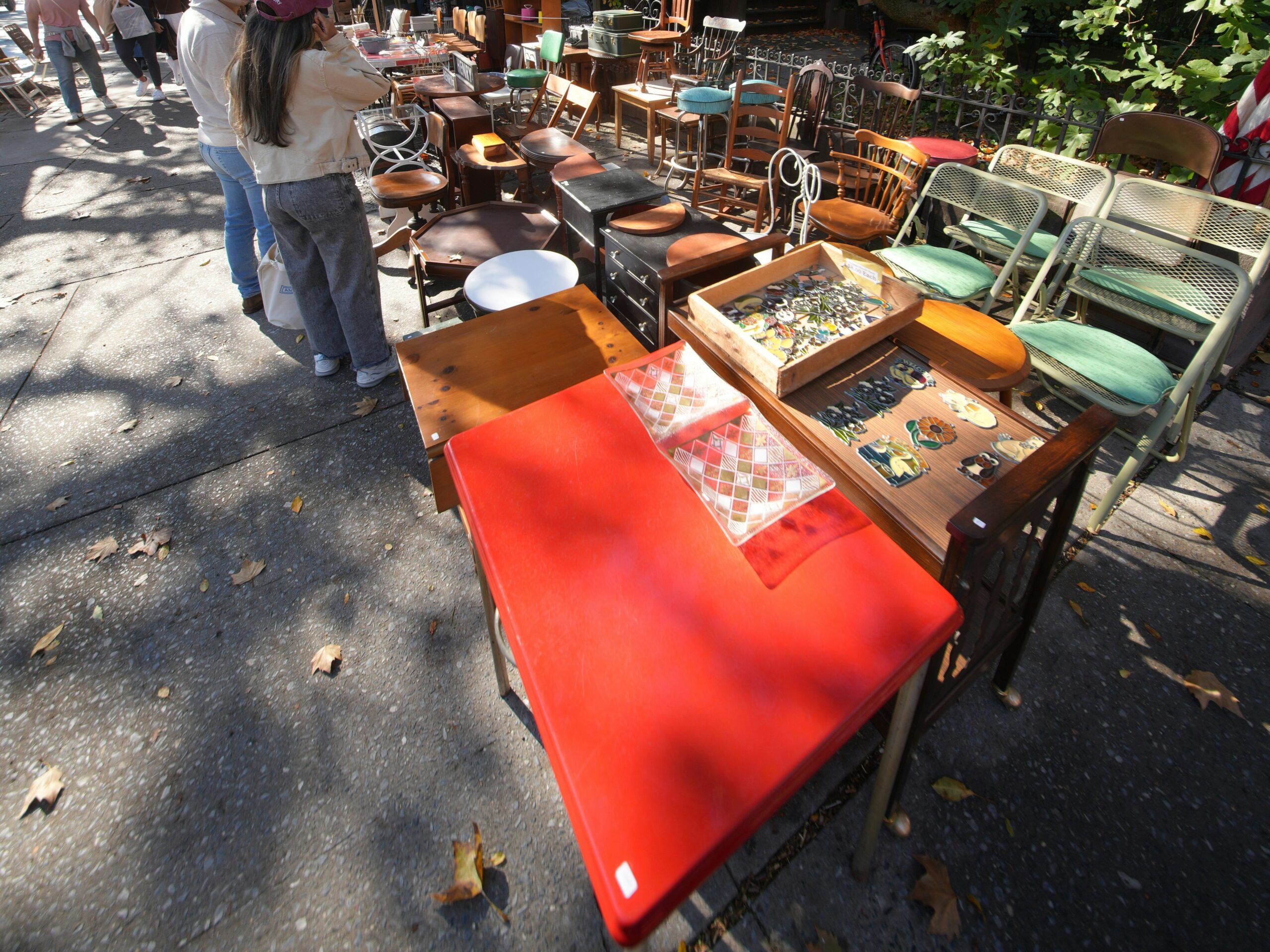
Possessions can tip from supportive to burdensome when their costs outweigh their benefits.
Financial cost
Paying for extra storage units, larger houses to accommodate low-use items, or multiple mortgages ties up income that could otherwise be used for savings, experiences, or reducing debt.
Cognitive and emotional load
Clutter—whether visible stacks of paper, full closets, or boxes in a garage—can create stress, decision fatigue, and shame. Research on hoarding shows that clinically diagnosable hoarding disorder affects about 2.5% of adults (roughly 1 in 40), and many more exhibit milder clutter retention behaviors that cause distress.
Source: https://www.psychologytoday.com/us/blog/the-mind-of-a-collector/202503/hoarding-disorder-prevalence-a-scientific-assessment
Source: https://pubmed.ncbi.nlm.nih.gov/31200169/
Source: https://chicagohoarding.org/hoarding-statistics/
Opportunity cost
Every dollar spent on stuff is one not spent on time freedom, travel, education, or financial security. When money is stretched by housing costs and basic living expenses, discretionary spending on low-use items becomes more painful.
A simple heuristic: Possessions are “too much” when they are rarely used, hard to store or find, and unlikely to be purchased again at current prices.

The Dual Nature of Status Symbols
Status objects—luxury cars, designer clothes, high-end tech—are culturally significant because they signal identity, competence, and belonging. But they are also sites of potential excess.
The helpful functions of status goods
- Social signaling. In some contexts, certain possessions can open doors—a professional wardrobe, tidy home, or reliable car matters in job markets and social circles.
- Cultural participation. Shared objects (sneaker collections, sports gear, cameras) form bridges to communities and hobbies.
The harmful side of status goods
- Escalating arms race. As soon as a given status good becomes widespread, its symbolic value declines, and the bar shifts upward. This leads to consumption patterns that exceed financial wisdom.
- Identity capture. When self-worth is tied to possessions, any setback—job loss, reduced income—can feel like identity collapse, intensifying anxiety.
This dynamic raises a crucial question before every purchase: Is this object helping me do or be something important, or is it mainly solving an anxiety that someone else’s marketing sold me?
How Much Stuff Do We Actually Need?
There is no universal number of things a person should own. But a practical frame is to think in terms of layers of value:
1. Survival layer
These are the items you need to function daily and stay healthy: bed, basic cookware, hygiene supplies, weather-appropriate clothing, essential tools.
2. Stability layer
Items that save time or prevent frequent crises: decent phone or laptop, quality shoes, spare cables, a reliable coat.
3. Fulfillment layer
Objects that enrich life and mental health: instruments, books, sport equipment, art supplies, gardening tools—items you use and enjoy.
Beyond these layers, the marginal benefit of additional possessions drops quickly while the financial, spatial, and emotional cost rises.
Consuming Less Without Losing Value
Reducing consumption doesn’t necessarily mean rejecting all possessions. It means slowing inflow, extending life of what you have, and being more deliberate.
Slowing the Inflow
- 30-day rule: Wait a month before non-essential purchases. A lot of buying impulses fade.
- Wishlist tracking: Keep a visible wishlist and review monthly to recognize fading desires.
Raising the Bar
- Ask: Will I use this at least X times next year? What will I remove to make space?
- Prefer durability and repairability over disposability.
Extending the Life of Possessions
- Learn basic repair skills: sewing, gluing, patching, electronics troubleshooting.
- Make maintenance part of ownership, not an optional chore.
This mindset values longer life and deeper use over novelty and disposability.
Keeping Stuff out of Landfills
Even in a high-consumption culture, many belongings can be redirected from trash to new life.
Reuse and Repurpose
- Turn jars into storage, towels into rags, scrap wood into shelves or planters.
- Create a materials bin (with limits) for creative reuse without slipping into hoarding.
Share, Sell, Donate
- Community Buy Nothing groups, free tables, and online marketplaces help items find new homes.
- Reselling higher-value goods creates financial buffer and reduces pressure to accumulate for security.
Smarter Recycling and Composting
- Compost food scraps and yard waste to cut methane emissions and generate soil.
- Use local e-waste and hazardous waste collection options to prevent toxins entering landfills.
These strategies help treat homes as resource ecosystems rather than one-way sinks for goods.
Emotional Safety Without Endless Stuff
One of the hardest parts of consumption is not the wallet—it’s the emotional security that possessions seem to provide.
Alternative Security Anchors
There are non-material safety nets that often protect better than a closet full of “just in case” items:
- Financial buffers: An emergency fund or savings account.
- Networks: Strong social ties and reciprocal support.
- Skills: Practical knowledge like repair, budgeting, or cooking.
Conscious Comfort Objects
It’s possible to keep meaningful comfort objects—a favorite mug, quilt, or set of books—and treat them as intentional, not default.
When anxiety triggers a buying urge, reach for non-purchasing comforts: journaling, walks, talking with friends, or small creative projects.
Rethinking Consumption in a World of Plenty
Americans are surrounded by more stuff than almost any society in history, and this shapes money, mental health, status, and the environment in ways that are both protective and harmful. The question is not whether stuff is bad—clearly it provides enormous functional and emotional value—but whether we can make wiser choices about what we bring into our lives and why.
This means:
- Using possessions to increase life quality, not to fill emotional gaps.
- Avoiding patterns where identity and security depend on accumulation.
- Treating consumption as a tool, not a measure of success.
- Extending life and use of existing goods rather than replacing them.
- Redirecting unwanted items into second lives rather than landfills.
By asking deliberate questions before acquiring more, we can build lives with possessions that serve us rather than owning things that quietly drain resources. The aim is not perfection, but a balanced, meaningful relationship with our material world.
Want more Mental Health information or information about World Events? Check out those sections on Interconnected Earth.