
For a long time, climate change was explained to the public using a single idea: global warming. The planet was heating up. Ice was melting. Summers were getting hotter. Winters, many assumed, would eventually soften or disappear.
That story was never wrong—but it was incomplete.
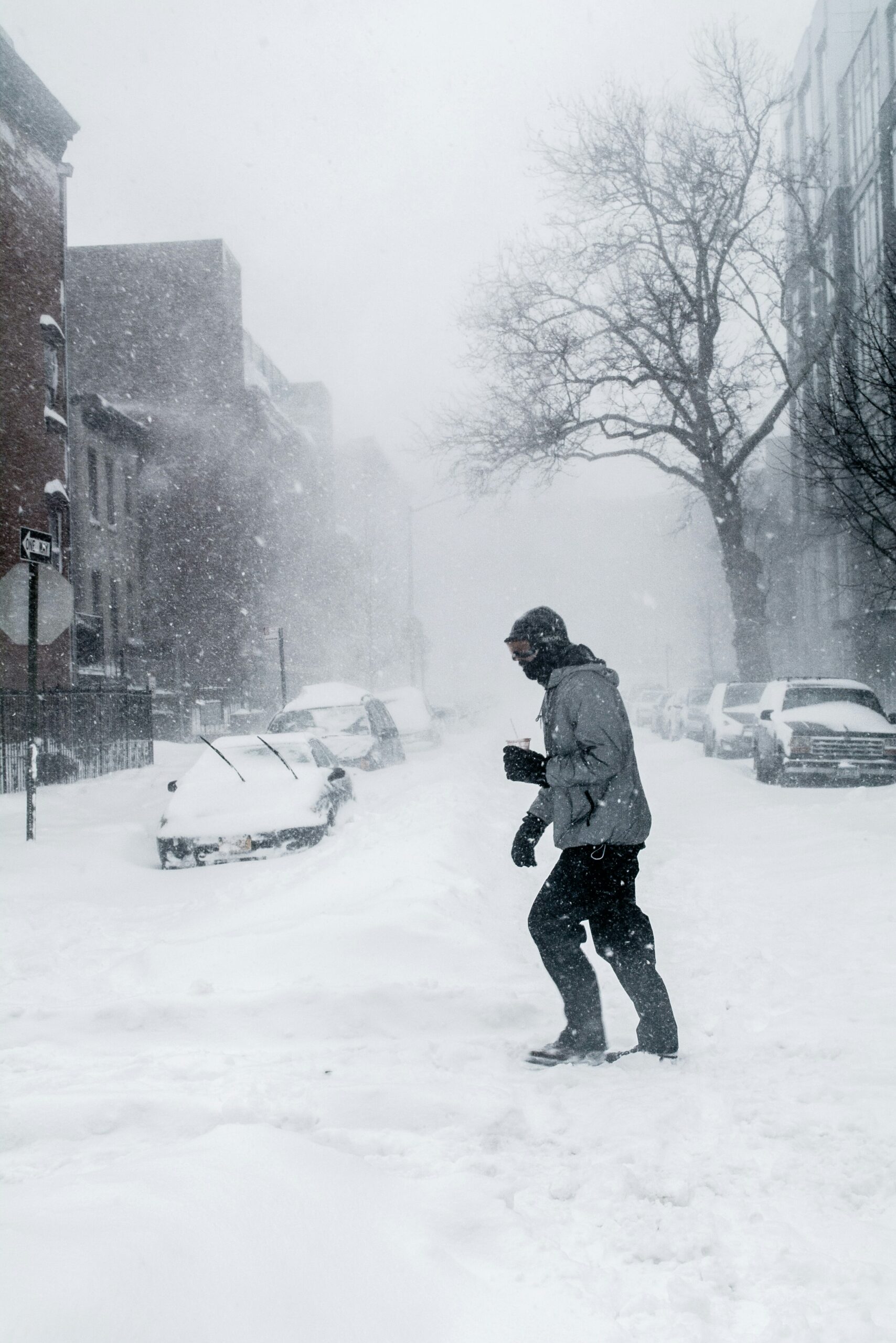
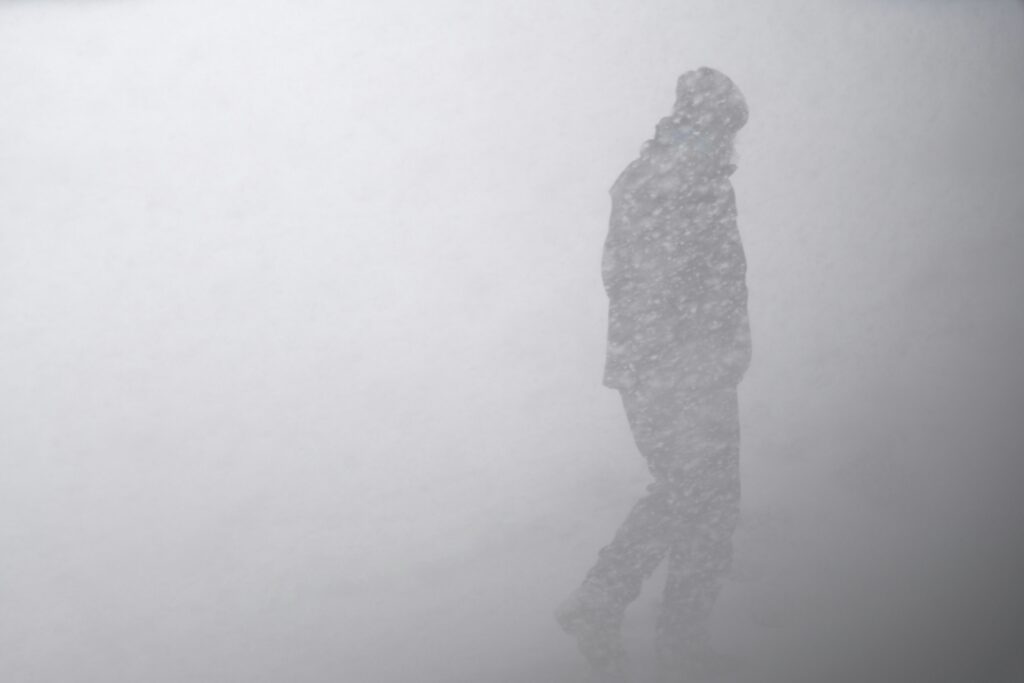
As a historic winter weather storm moves toward the South, across much of the Midwest, and up the East Coast, the same confusion resurfaces. Bitter cold pushing into places that rarely see it. Snow and ice spreading across vast regions. Power grids, roads, and communities caught unprepared. And once again, the question appears: How can this be climate change if it’s freezing?
The answer is that climate change was never just about warmth. It was about disruption. It was about systems losing their balance. And extreme winter weather is one of the clearest signs that the climate we built our societies around no longer exists.
Climate change doesn’t eliminate winter — it destabilizes it
The Earth is warming, but it is not warming evenly. The Arctic, in particular, is heating up far faster than the rest of the planet. This phenomenon, known as Arctic amplification, is driven by the loss of sea ice and snow cover. Ice reflects sunlight; open water absorbs it. As ice disappears, more heat is retained, accelerating warming even further
https://www.climatesignals.org/climate-signals/arctic-amplification
This rapid warming matters not just for the Arctic itself, but for the entire Northern Hemisphere. Historically, the sharp temperature difference between the cold Arctic and the warmer mid-latitudes helped maintain a relatively stable jet stream — a fast-moving river of air that kept frigid polar air largely contained.
As that temperature contrast weakens, the jet stream slows and begins to wobble. Instead of flowing in a smooth west-to-east pattern, it bends and stretches. When those bends deepen, cold Arctic air can spill far south in concentrated bursts, while the Arctic itself remains unusually warm
https://climate.mit.edu/explainers/polar-jet-stream-and-polar-vortex
This is how a warming planet can deliver historic cold to places unaccustomed to it. The system isn’t cooling; it’s losing its structure.
Why warming can produce heavier snow and ice
Another part of the story is moisture. A warmer atmosphere holds more water vapor. As oceans warm, evaporation increases, especially from bodies like the Gulf of Mexico and the Atlantic.
When destabilized Arctic air collides with this moisture-laden air, winter storms can intensify. Snowfall can be heavier. Ice storms can spread across wider areas. Storm systems can persist longer and disrupt larger regions than they once did.
This is why winters today often feel more extreme even as the overall number of very cold days declines. Long-term data still show fewer extreme cold days across many regions, but when cold does arrive, it is often sharper, wetter, and more destructive
https://www.nsf.gov/news/relationship-between-severe-winter-weather-arctic
The climate signal is not steady cold — it is volatility.
Pollution quietly reshapes winter extremes
Greenhouse gases drive the long-term warming trend, but pollution adds another layer of instability that rarely enters public conversation.
Tiny airborne particles known as aerosols — produced by burning coal, diesel, oil, and biomass — reflect sunlight and alter cloud formation. Unlike carbon dioxide, aerosols have short lifespans in the atmosphere, but their regional effects can be significant.
Research examining Europe and northern Eurasia has found that changes in aerosol pollution have left what scientists describe as an “unambiguous signature” on winter weather patterns. These changes have altered the jet stream and influenced the frequency of very cold days, sometimes exerting a stronger regional effect on winter extremes than greenhouse gases alone
https://www.nsf.gov/news/aerosols-have-outsized-impact-extreme-weather
This does not mean pollution offsets climate change. It means pollution complicates it. Different pollutants in different places reshape temperature gradients and atmospheric circulation in ways that can amplify winter extremes rather than dampen them.
Climate change sets the stage. Pollution rearranges the props.
The persistence of the “cold equals no climate change” myth
The idea that cold weather disproves climate change survives because it is simple, emotionally satisfying, and wrong.
Weather is immediate. Climate is cumulative. A snowstorm is felt; a temperature trend is measured. This gap makes it easy to weaponize cold snaps as evidence against decades of data.
That confusion has not been accidental. Fossil fuel interests and aligned political actors have long emphasized short-term variability while downplaying long-term trends. By reducing climate change to a single variable — temperature — they ensure that every cold day full of winter weather can be framed as doubt.
Meanwhile, the larger truth goes unaddressed: climate change makes all seasons more unstable.
Systems built for a climate that no longer exists
The danger of extreme winter weather is not just meteorological. It is structural.
Power grids across much of the South were never designed for prolonged freezes. Housing stock often lacks insulation suited for extreme cold. Water systems fail when pipes freeze. Workers are expected to show up even as roads become impassable.
These failures are not acts of nature. They are consequences of planning for a climate that no longer behaves the way it once did.
As winter weather grow more intense and geographically widespread, the mismatch between climate reality and infrastructure design becomes increasingly deadly.
We wrote about this in this post Energy At Home: How Power Production Endangers Houses, Health, and the People Inside Them.
Why these winter storms feel more disruptive than the past
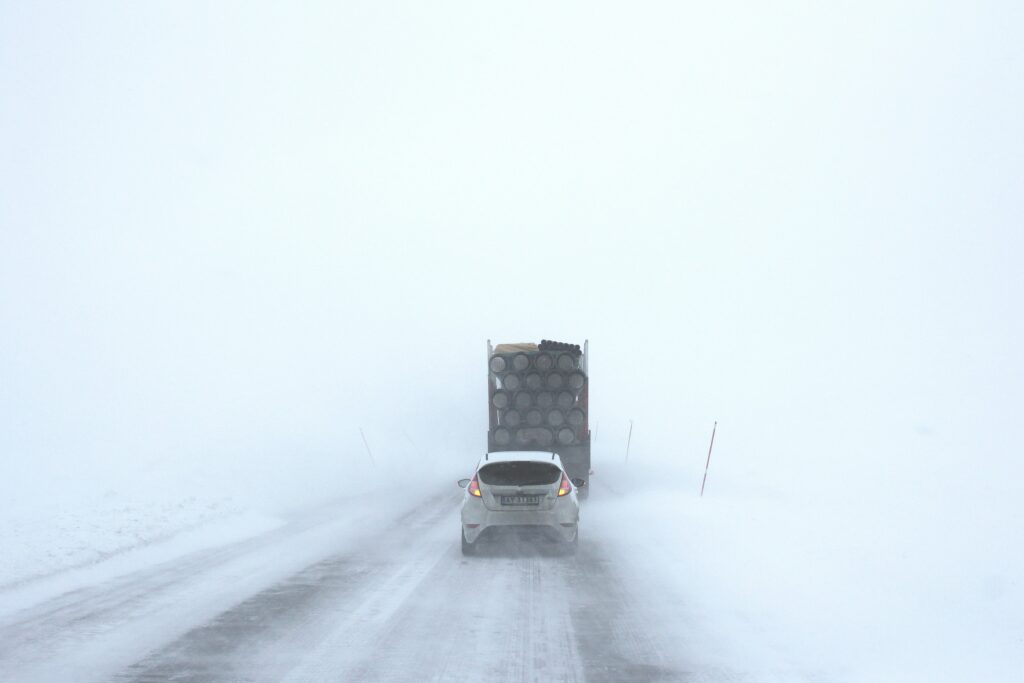
One of the reasons extreme winter storms feel so overwhelming today is not only their intensity, but their scale and timing. These events increasingly stretch across multiple regions at once, disrupting supply chains, energy systems, and emergency responses that were designed to operate independently. A cold outbreak that affects the South, Midwest, and East Coast simultaneously leaves little room for mutual aid or quick recovery.
This is not accidental. As climate change distorts the jet stream, winter weather patterns slow down and linger. Storm systems no longer move through as quickly as they once did. Cold air masses can stall, snowbands can persist, and ice can accumulate over days rather than hours. The result is prolonged stress on infrastructure and people, especially in places where winter preparedness has historically been minimal.
At the same time, climate change has reduced the number of routine cold days while increasing the severity of the remaining ones. This creates a dangerous illusion of safety. Communities go years without significant winter disruption, reinforcing the belief that extreme cold is no longer a concern—until a single event overwhelms systems that have quietly grown more fragile.
These storms also arrive in a society already under strain. Aging infrastructure, labor shortages, underfunded public services, and privatized energy systems all amplify the damage. When power fails, heat becomes inaccessible. When roads close, workers are still expected to show up. When pipes burst, repair crews are already stretched thin.
Extreme winter weather exposes not just atmospheric instability, but social vulnerability. The storm itself is only part of the crisis. The rest is revealed in how quickly essential systems fail—and who bears the cost when they do.

Who benefits from misunderstanding extreme winter weather
Winter weather confusion has value.
As long as climate change can be framed as uncertain, contradictory, or exaggerated, structural change can be delayed. Fossil fuel extraction continues. Emissions persist. Costs are externalized onto communities, governments, and future generations.
Many corporations now issue climate pledges, but independent assessments consistently find that “net zero” commitments are often vague, offset-heavy, and disconnected from near-term emissions reductions. Distant targets preserve current business models while projecting responsibility.
Delay is profitable.
Even climate disasters themselves generate secondary markets: disaster recovery contracts, energy price spikes, insurance restructuring, and infrastructure privatization. Harm and profit are not always opposites in the current system.
We also have an article on “The World’s Top Polluters: Power, Profit, And The Corporations Driving The Climate Crisis” .
Accountability is shifting from promises to obligations
Pressure for accountability is growing, and it is increasingly legal rather than voluntary.
The 2025 Corporate Climate Responsibility Monitor found that many corporate climate strategies are misaligned with the pace of emissions reductions required to limit harm. It argues for transparent, sector-specific targets focused on immediate structural change rather than long-term aspiration.
At the international level, a 2025 advisory opinion from the International Court of Justice clarified that states have binding duties to reduce emissions and to regulate private actors, including corporations, as part of their obligations to protect human rights
https://www.wr.no/en/news/icj-declares-legal-duty-on-climate-action
While advisory opinions are not directly enforceable, they signal a growing legal consensus: climate harm is no longer just an environmental issue. It is a rights issue.
What real accountability looks like
Meaningful accountability requires mechanisms that cannot be waved away by marketing language:
- Mandatory, audited emissions reporting across full value chains, including Scope 3 emissions
- Binding transition plans with enforceable near-term targets, not just distant 2050 goals
- Litigation grounded in environmental and human-rights law that treats climate negligence as a breach of duty
- Financial rules that require investors, insurers, and banks to price climate risk as a fiduciary responsibility
These tools shift climate action from intention to obligation.
Winter storms are not anomalies — they are signals
Extreme winter weather in a warming world is not a paradox. It is a warning.
The same destabilized systems driving record heat, drought, and wildfire are also capable of producing historic cold, snow, and ice. Climate change is not linear, gentle, or predictable. It is disruptive by nature.
Understanding why climate change causes extreme winter weather matters because misunderstanding it benefits those who prefer delay over responsibility. As storms push farther south and strike harder than expected, the contradiction is not in the weather — it is in the systems that allowed instability to grow while accountability lagged behind.
We have whole sections of our site focused on Climate Change, World Events, and more. Keep reading and learning with us!