
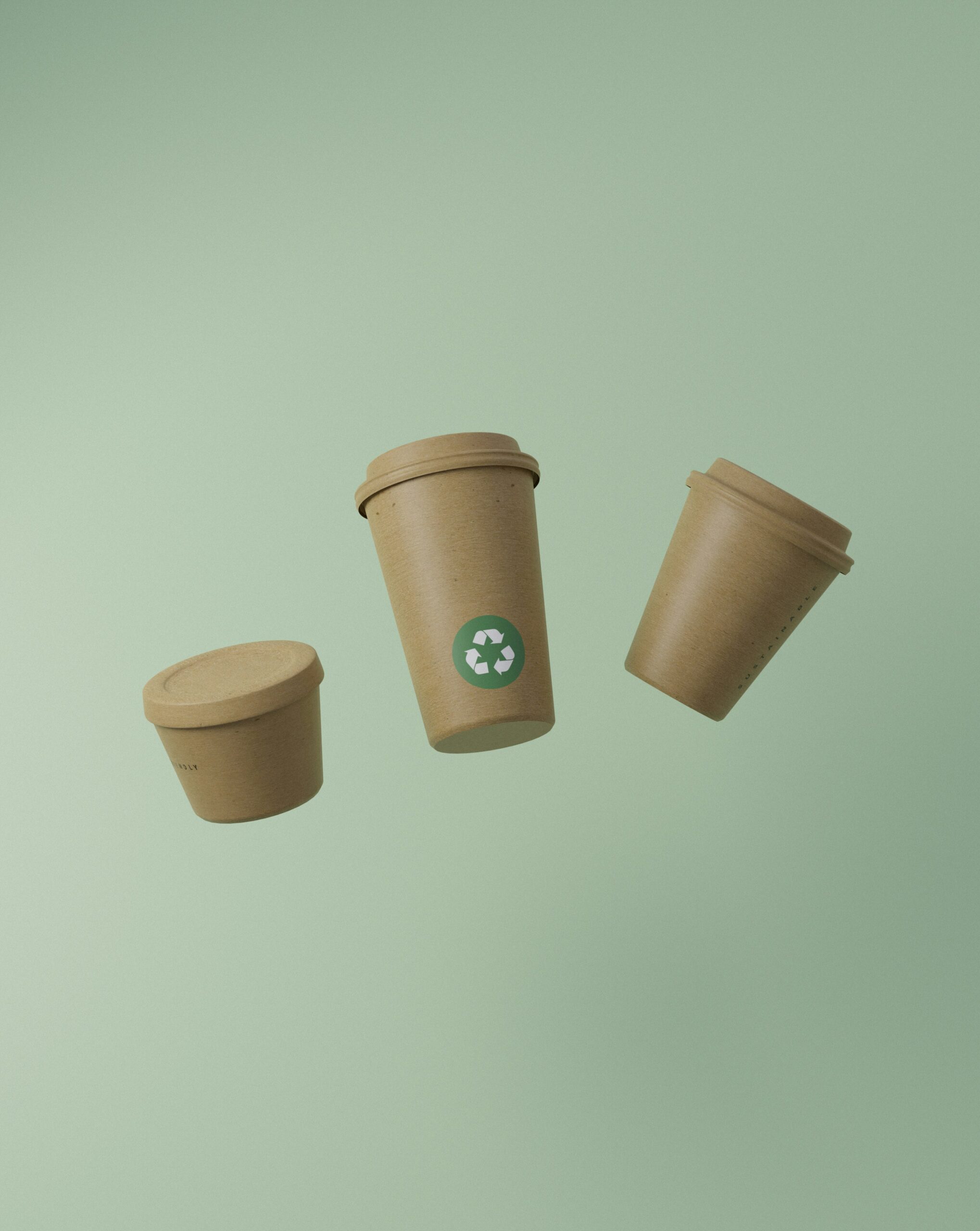
Biodegradable packaging is often presented as a clear alternative to conventional plastic. If plastic pollution is accumulating in oceans, soils, food chains, and human bodies, then materials designed to break down safely should be an obvious replacement. Yet despite decades of innovation and growing public concern, petroleum-based plastics still dominate global packaging markets.
The persistence of plastic is frequently attributed to the power of “big plastic” — large petrochemical companies that profit from fossil-fuel–based polymers and have historically resisted regulation. That influence is real, but it does not fully explain why biodegradable packaging remains marginal. The deeper reasons are structural: entrenched infrastructure, distorted economics, performance limitations, and waste systems that were never designed to handle compostable materials at scale.
To understand why biodegradable packaging has not displaced plastic, it helps to look beyond corporate lobbying and examine how modern packaging systems were built, how costs are calculated, and how environmental damage is systematically excluded from prices.

Structural advantages that favor conventional plastic
Petroleum-based plastics benefit from decades of investment that biodegradable alternatives simply do not have. Refineries, steam crackers, polymer plants, and plastics manufacturing lines are already constructed, optimized, and largely amortized. As a result, the marginal cost of producing polyethylene or polypropylene is extremely low, especially when fossil fuels are subsidized or under-priced.
Biodegradable and compostable materials — such as polylactic acid (PLA), polyhydroxyalkanoates (PHA), or starch-based blends — are produced at much smaller scales. Their supply chains are younger, less optimized, and more sensitive to fluctuations in feedstock prices. Even when their raw materials are renewable, they often face higher processing costs and lower yields, keeping prices elevated relative to commodity plastics. This scale disadvantage is widely noted in packaging industry analyses, including overviews of emerging biodegradable materials and their limitations
https://www.packaging-labelling.com/articles/the-future-of-biodegradable-and-compostable-packaging-materials
Infrastructure lock-in extends beyond factories. Global packaging standards, logistics systems, filling equipment, and quality-control protocols are all built around predictable, durable plastics. Switching materials can require redesigning packaging, retooling machinery, and re-certifying products for food safety and transport. For large brands operating on thin margins, these changes are costly and risky unless driven by regulation or overwhelming consumer demand.
Policy and lobbying reinforce these advantages. Petrochemical and plastics firms have historically lobbied against bans, taxes, and extended producer responsibility schemes that would internalize environmental costs. These efforts slow the pace of systemic change and preserve favorable conditions for conventional plastics, as documented in analyses of plastic regulation and industry influence
https://www.bbc.com/future/article/20191030-why-biodegradables-wont-solve-the-plastic-crisis
Together, infrastructure, policy, and market lock-in create a system where plastic remains the default. Biodegradable packaging must compete not on a level playing field, but against materials whose true costs are hidden.
The true cost of plastic to society
Conventional plastic appears cheap because much of its damage is externalized. The price of a plastic package rarely reflects its impacts on human health, ecosystems, climate, or public budgets.
Multiple studies have attempted to quantify these hidden costs. One synthesis of global data estimates multiple studies have attempted to quantify these hidden costs, and while their methodologies differ, they converge on the same conclusion: plastic is far more expensive to society than its market price suggests.
One global analysis estimates the social and environmental costs of plastics at roughly $300–460 billion per year, accounting for health impacts, air pollution, ecosystem degradation, and cleanup costs
https://www.ubs.com/global/en/sustainability-impact/our-insights/2024/true-cost-of-plastic.html
In the United States alone, researchers at Duke University’s Nicholas Institute estimate the annual social cost of plastic at between $436 billion and $1.109 trillion, even without capturing every lifecycle impact
https://nicholasinstitute.duke.edu/publications/social-cost-plastic-united-states
Marine ecosystems bear some of the most severe consequences. Studies estimate that plastic pollution causes losses in ecosystem services valued at $500 billion to $2.5 trillion per year, representing roughly 1–5% of total marine ecosystem value. On a per-ton basis, this can equate to around $33,000 per metric ton of plastic pollution
https://www.ncelenviro.org/articles/first-in-science-the-economic-impacts-of-plastic-pollution/
These costs are not paid by plastic producers or consumers at the checkout counter. They are absorbed by governments, communities, healthcare systems, fisheries, and future generations. This distortion makes plastic appear artificially cheap and biodegradable alternatives appear unjustifiably expensive.
Why biodegradable packaging is still uncommon
Even when environmental benefits are clear in theory, biodegradable packaging faces a stack of practical barriers that limit widespread adoption.
Cost remains the most immediate hurdle. Commodity plastics are produced at enormous scale, with global supply chains optimized for efficiency. Biodegradable and compostable polymers are made in smaller volumes and often rely on newer production processes. Materials such as PLA, PHA, and starch blends typically cost significantly more per unit than polyethylene or polypropylene, especially in price-sensitive sectors like food packaging and e-commerce
https://www.assemblies.com/what-are-the-benefits-and-limitations-of-biodegradable-packaging/
Performance trade-offs further complicate adoption. Many biodegradable materials are more sensitive to heat, moisture, and microbial activity. Some soften or deform at lower temperatures, making them less suitable for hot-fill applications, long-distance shipping, or storage in warm environments. Others offer weaker oxygen or moisture barriers, which can shorten shelf life for oils, snacks, or medical products
https://www.bbc.com/future/article/20191030-why-biodegradables-wont-solve-the-plastic-crisis
Ironically, if biodegradable packaging increases food spoilage or product damage, it can result in higher overall environmental impact. Food waste carries a substantial carbon footprint of its own, and preventing waste is often more beneficial than improving packaging materials in isolation.
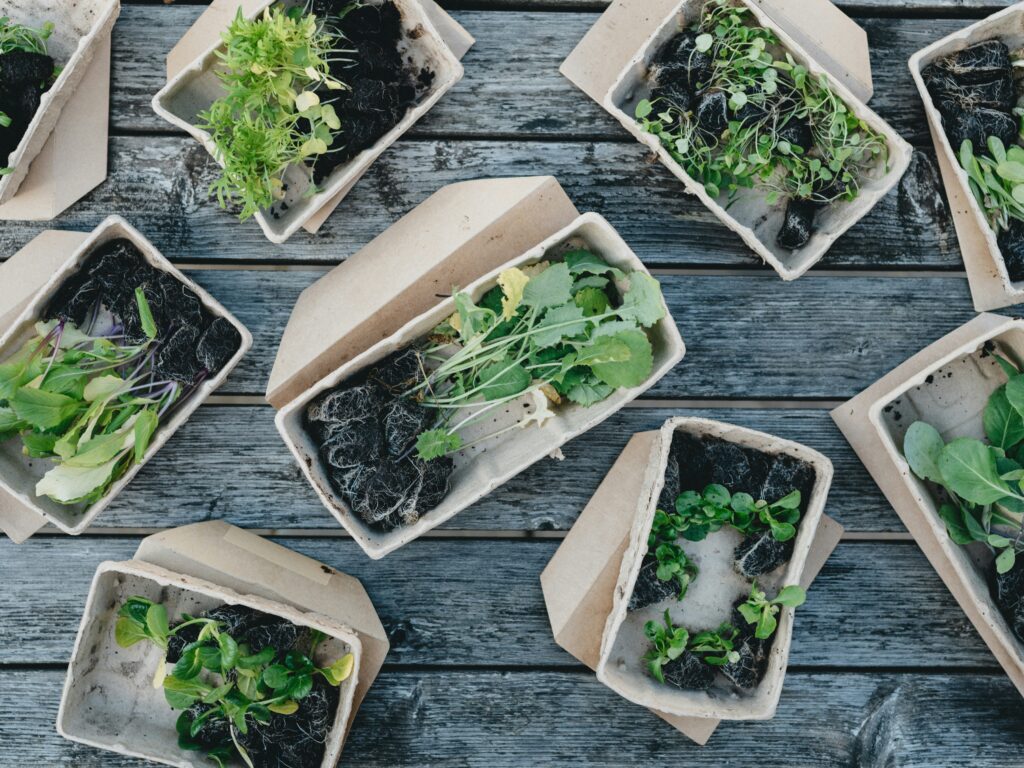
Disposal systems that do not match the materials
One of the most significant barriers to biodegradable packaging is not the material itself, but what happens after use.
Many products labeled “biodegradable” or “compostable” require specific industrial composting conditions: controlled temperatures, moisture levels, oxygen availability, and microbial communities. These conditions do not exist in most landfills, natural environments, or home compost bins. As a result, many compostable items behave much like conventional plastics when disposed of improperly
https://upstreamsolutions.org/why-compostables-and-bioplastics-arent-the-answer
Waste management infrastructure in much of the world is not designed to collect and process compostable packaging at scale. Separate collection streams are rare, and contamination remains a major concern. Composting facilities often report that look-alike plastics contaminate compostable loads, while some certified compostables fail to break down fully within standard operational timeframes of 60–90 days
https://www.albertpaperproducts.com/the-truth-about-biodegradable-packaging/
When compostable packaging ends up in landfills, it can degrade anaerobically and release methane, a greenhouse gas far more potent than carbon dioxide over short time horizons. In these scenarios, biodegradable packaging may offer little climate advantage and, in some cases, may perform worse than inert plastics that do not decompose at all
https://e360.yale.edu/features/why-bioplastics-will-not-solve-the-worlds-plastics-problem
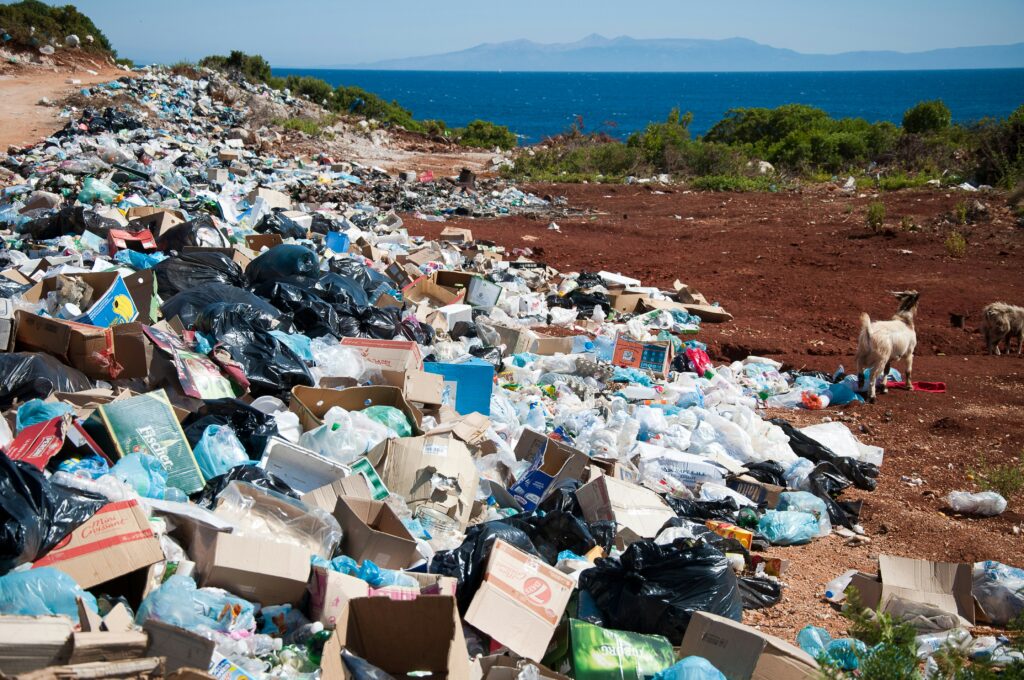
Consumer confusion and behavioral effects
Labeling plays a critical role in whether biodegradable packaging delivers real environmental benefits. Terms like “biodegradable,” “compostable,” and “bioplastic” are often poorly understood by consumers and inconsistently regulated.
This confusion leads to improper disposal, contamination of recycling streams, and misplaced confidence. Studies and waste operators have noted that labeling something “biodegradable” can unintentionally encourage littering, as people assume the material will harmlessly disappear in nature. In reality, many biodegradable plastics persist for years outside controlled composting conditions
https://www.bbc.com/worklife/article/20180705-whats-the-real-price-of-getting-rid-of-plastic-packaging
When compostable items contaminate recycling systems, they can reduce the quality and value of recycled plastic. When conventional plastics contaminate compost streams, they undermine trust in compostable materials altogether. The result is skepticism from waste processors and resistance to accepting compostable packaging at scale.
Environmental trade-offs within biodegradable materials
Biodegradable does not automatically mean low-impact. Some biodegradable plastics are still petroleum-based, relying on additives to accelerate breakdown under specific conditions. In these cases, the environmental gains over conventional plastics may be modest
https://made-with-regen.ca/blog/biodegradable-plastics/
Even bio-based materials can introduce new challenges. Producing polymers from corn, sugarcane, or other crops can be water-intensive and energy-intensive. Large-scale expansion risks competing with food production or driving land-use change, which can offset climate benefits if not carefully managed
https://www.globalbioenergy.org/why-do-we-need-biodegradable-packaging/
Lifecycle assessments show that biodegradable packaging can have lower greenhouse gas footprints than fossil plastics in many scenarios, but not all. Outcomes depend heavily on feedstock sourcing, manufacturing energy, transportation, and end-of-life treatment
https://pmc.ncbi.nlm.nih.gov/articles/PMC10702888/
Where biodegradable packaging does work
Despite these limitations, biodegradable and compostable packaging can offer genuine benefits when used in the right contexts.
One major advantage is reduced persistence. Under appropriate conditions, biodegradable materials can break down into water, carbon dioxide, and organic matter over weeks to months, rather than fragmenting into microplastics that persist for centuries.
Integration with organic waste systems is another strength. In closed or semi-closed environments — such as stadiums, corporate campuses, universities, and cafeterias — compostable food serviceware can simplify waste sorting. Food scraps and packaging can be collected together and sent to industrial composting, reducing landfill waste and improving diversion rates
https://hongrenpacking.com/blog/biodegradable-packaging-advantages-and-disadvantages/
From a regulatory perspective, biodegradable packaging can help companies comply with bans or restrictions on certain single-use plastics. It can also support brand positioning in markets where consumers are willing to pay a premium for visibly lower-impact options.
Lifecycle analyses suggest that when compostable packaging is properly collected and processed, it can deliver meaningful greenhouse gas reductions compared with conventional plastics, especially when compost improves soil carbon and reduces the need for synthetic fertilizers
https://www.packaging-labelling.com/articles/the-future-of-biodegradable-and-compostable-packaging-materials
The real bottleneck: systems, not materials
The struggle of biodegradable packaging is less about scientific feasibility and more about systemic misalignment. Materials designed to biodegrade require waste systems, policies, and consumer behavior that support that outcome. Without those conditions, even the best-designed packaging fails to deliver its promised benefits.
Meanwhile, conventional plastics continue to dominate because their environmental and health costs remain largely invisible in market prices. As long as plastic pollution, climate impacts, and health risks are treated as externalities, biodegradable alternatives will appear economically uncompetitive.
Addressing this imbalance requires more than material substitution. It demands policy interventions that internalize costs, investment in composting and waste infrastructure, clearer labeling standards, and honest communication about where biodegradable packaging works — and where it does not.
Biodegradable packaging is not a silver bullet. But neither is it a distraction. It is a tool whose effectiveness depends entirely on whether society is willing to build the systems needed to make it work — and to finally account for the true cost of plastic.
Want more? Check out the other related sections of Interconnected Earth.
World Events: https://interconnectedearth.com/category/world-events/
Climate Change: https://interconnectedearth.com/category/climate-change/
Technology: https://interconnectedearth.com/category/technology/