
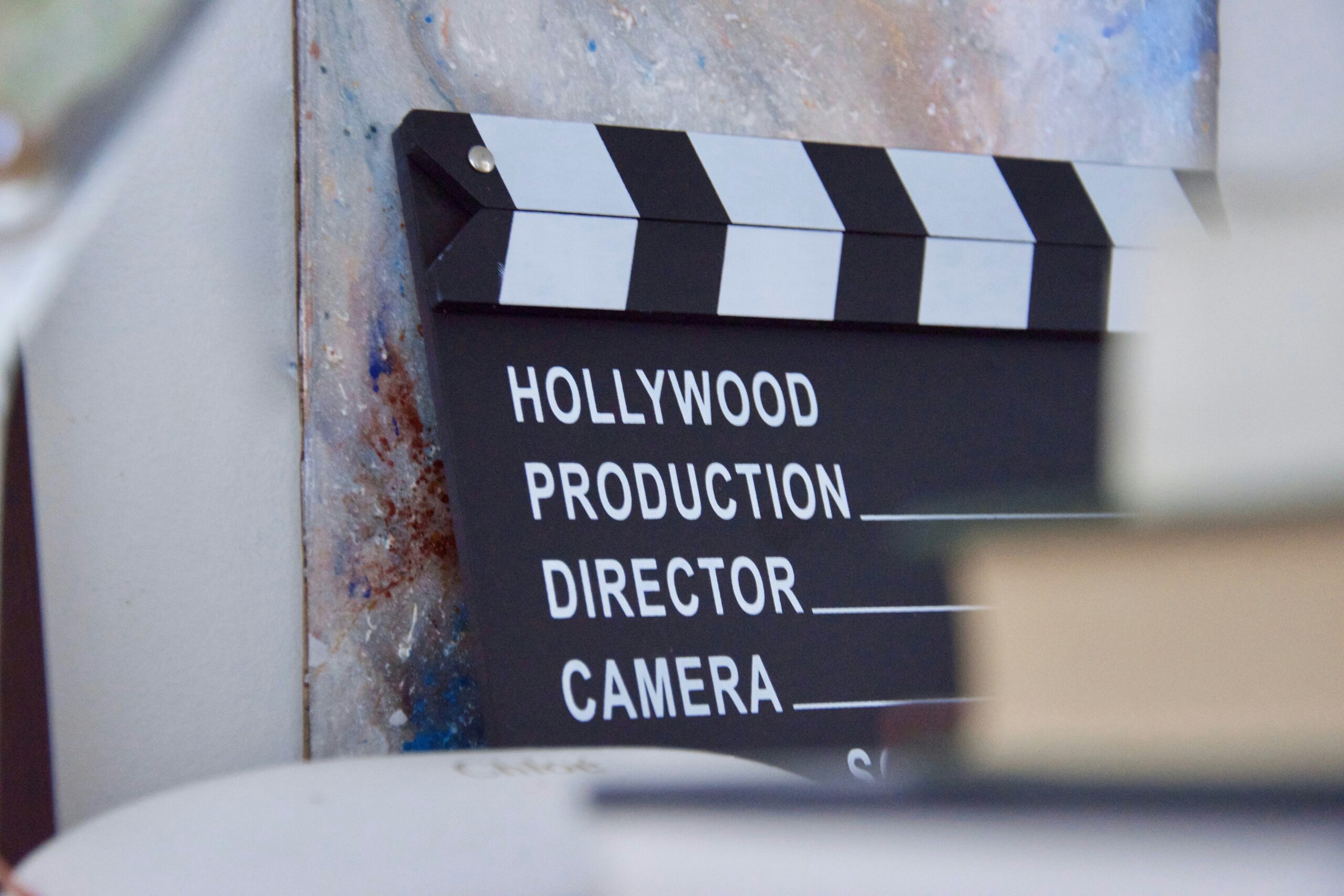
In early December 2025, news broke that Netflix — the streaming titan that’s already changed how we watch shows — agreed to acquire Warner Bros. Discovery (WBD)’s film and TV studios, plus HBO and HBO Max; a sweeping acquisition valued at roughly $82.7 billion. Los Angeles Times
Almost immediately, a rival bid emerged: Paramount Skydance launched a hostile, all-cash takeover offer — roughly $30 per share — arguing their bid is faster, simpler, and avoids the regulatory uncertainty Portland expects from Netflix’s deal. The Washington Post
Between them is now a potential reshaping of Hollywood — giving one corporate behemoths control over massive studios, beloved intellectual property, and distribution pipelines.
But beyond Wall Street and shareholder value, this deal raises urgent questions about creativity, access, and what it means to make — and watch — films in America.
Why This Feels Like a Monopoly Waiting to Happen
At the heart of the concern: consolidation means fewer independent players.
- Combine Netflix’s already-massive streaming reach with Warner Bros.’ deep legacy library — DC superheroes, HBO prestige TV, decades of film history — and you get a company that could control a substantial share of both content creation and distribution. Forbes
- That kind of concentration reduces competition. Independent studios, smaller producers, niche storytellers — all of them will find it harder to compete for audiences, funding, and viewers. Forbes
- It gives the merged entity outsized bargaining power — not just with streaming platforms, but with talent, theaters, distributors. They could dictate terms for licensing, talent pay, release windows, marketing. Forbes
- For viewers, that could mean fewer choices, more homogenized content, and rising subscription/pricing pressures — especially over time, as competition shrinks.
In short: this isn’t just one more media acquisition. It could reshape the balance of power in entertainment — leaving a handful of gatekeepers controlling what gets made, and how we access it.
The Hidden Cost: Jobs, Creativity & Everyone Behind the Camera
Much of the pushback has come from major unions and creative guilds — and not just for actors or big-name directors.
- The Writers Guild of America (WGA), Screen Actors Guild – American Federation of Television and Radio Artists (SAG-AFTRA), Directors Guild of America (DGA), and other below-the-line unions have sounded the alarm. They argue the consolidation threatens jobs, lowers leverage for talent, and jeopardizes creative diversity. Los Angeles Times
- Why “below-the-line” matters: the film business isn’t just stars — it’s costume designers, set builders, prop masters, VFX teams, local crews, location scouts, crew members, editors, sound engineers. Fewer productions — or more centralized, cost-cutting productions — means less work for thousands of people.
- Production infrastructure, especially for smaller or mid-sized films, may face the worst impact: budgets could shrink, studios might prefer blockbusters or franchise projects, and “riskier” or experimental films — often the birthplace of innovation — may vanish.
- Creators worry: when only one or two big studios remain, they’ll have fewer places to take bold or unconventional ideas. The pressure to deliver high ROI could crush creativity.
As the WGA put it: “The world’s largest streaming company swallowing one of its biggest competitors is what antitrust laws were designed to prevent.” Forbes
What Happens to Movie Theaters & “Third Spaces” If Streaming Takes Over
This deal hits far beyond Hollywood studios. It threatens the movie-theater ecosystem — and by extension, local communities and shared cultural spaces.
- Trade groups representing theaters — big chains and small independents alike — have called the acquisition an “unprecedented threat.” TheWrap
- One estimate from a major exhibition group warns that up to 25% of U.S. box-office revenue could evaporate if films traditionally destined for theaters bypass cinemas and go straight to streaming. Los Angeles Times
- The cultural cost is significant: theaters are more than just places to watch movies — they are shared spaces, community gathering spots, social “third-spaces” where people meet, share emotions, discuss stories, and have collective experiences. If theaters decline sharply, so does a form of communal social life.
- For smaller towns and less populated areas — where there may be only one single-screen theater — this could be devastating. Loss of films, closures, ripple effects on surrounding businesses (restaurants, transit, local commerce). TheWrap
In other words: this is not just “Hollywood losing theaters.” It could mean communities across America losing a little of their social fabric.
The Bigger Picture: Culture, Power, and Why This Matters Politically
This isn’t just a corporate battle — it’s a cultural and political inflection point.
- When one company controls both creation and distribution of media, it gains enormous influence over what stories get told, which voices are amplified, which are marginalized. That has consequences for representation, diversity, and even democracy. Fewer independent studios mean fewer independent voices.
- Regulatory agencies (and perhaps lawmakers) need to take note: this isn’t solely about business efficiency or shareholder value. It’s about control over our cultural commons. Some politicians and industry observers have already called for antitrust scrutiny. The Guardian
- For creators, workers, and audiences — it raises questions of labor justice, fairness, and collective rights. Unions are calling for protections, for safeguards so that “efficiency” doesn’t mean precarity.
Looking Ahead — What We Should Be Watching in Terms of What This Means for Hollywood
If this deal goes through (or if Paramount Skydance’s bid somehow wins), the ripple effects could last for years. Some key questions to monitor:
- Will theatrical releases remain meaningful — or will streaming-first become the default?
- What happens to smaller productions, indie films, and mid-budget projects that often take risks?
- How will labor conditions change for below-the-line workers — costume, sets, VFX, regional crews, local hires?
- Will we see a wave of theater closures, especially in small towns and underserved regions?
- Will audiences notice — not just in what shows appear, but in the variety, depth, and diversity of stories being told?
Final Thought — When “Efficiency” Comes at the Cost of Culture
At first glance, the idea of Netflix + Warner Bros. might seem like a win for consumers: more shows, more catalogues, maybe even lower subscription costs or bundled deals.
But behind that convenience lies a deeper trade-off: fewer independent studios, fewer jobs for creative and technical workers, fewer theaters, less diversity, and a streaming monopoly that shapes what stories we see — and how we see them.
If we lose robust competition, we lose not just jobs — but the potential for creative risk, experimental art, community theaters, and local social spaces.
What this means for Hollywood is what stands to be lost is more than just businesses: it’s a piece of our cultural and communal life.
Interesting in where world events and arts and entertainment intersect? Check out the Art and Entertainment section of Interconnected Earth.