
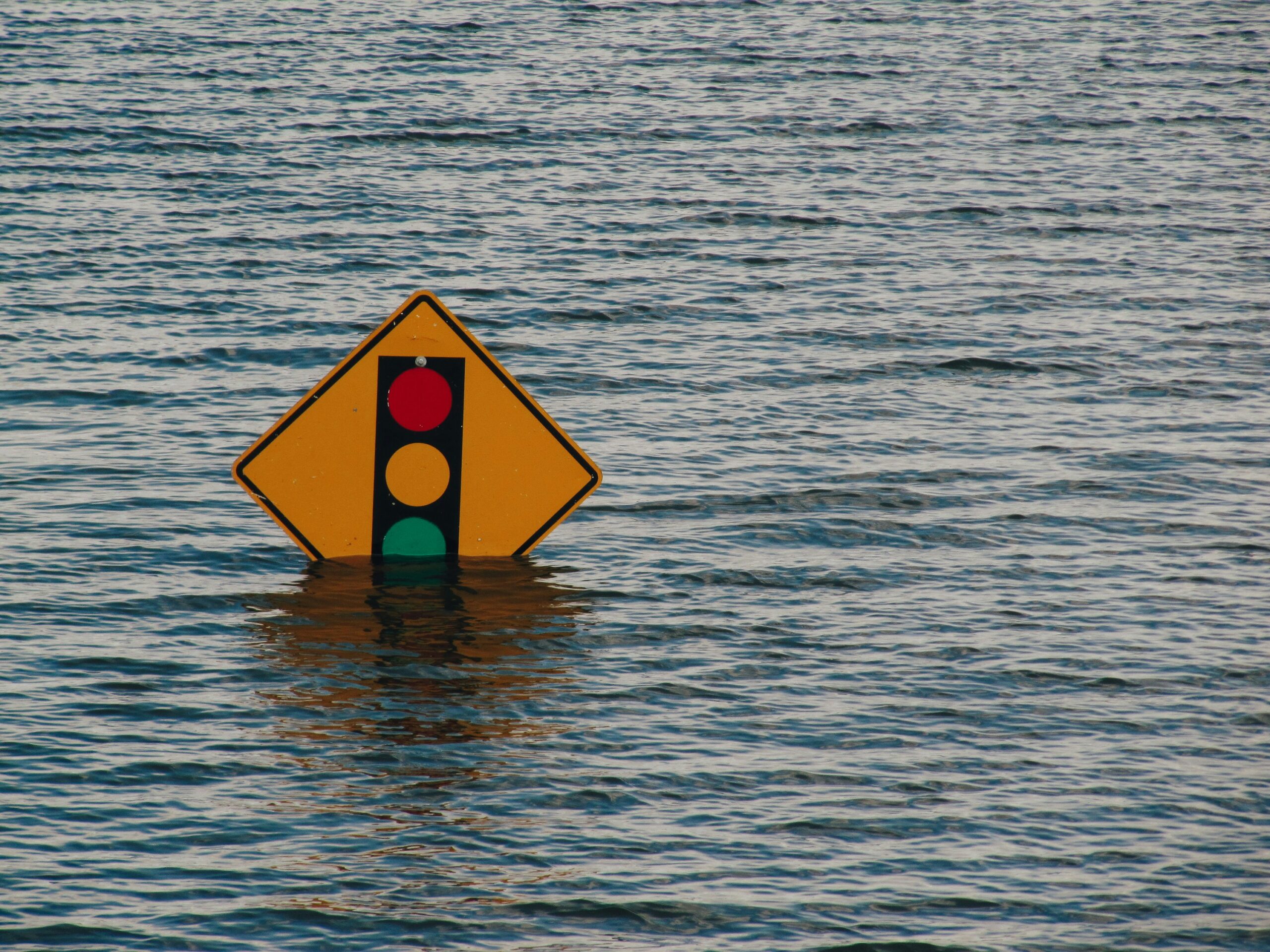
Climate change is almost always framed as something external. Rising seas threaten coastlines. Heat waves strain cities. Droughts reshape agriculture. Wildlife migrates or disappears. The impacts are serious, but they are often described as happening out there—to ecosystems, to distant regions, to future generations.
What receives far less attention is how the energy system itself—independent of climate change—reaches directly into homes. Energy production is not abstract. It runs under streets as pipelines, sits behind neighborhoods as power plants, pools underground as waste, and burns quietly in kitchens and basements. The health and safety consequences are not theoretical. They show up as asthma in children, cracked foundations, contaminated wells, explosions, floods, and long-term displacement.
This is not a discussion about carbon alone. It is about how different forms of energy interact with housing, human health, labor, and risk, and how often those interactions end badly.
Energy Use Today and Why Proximity Matters For Energy At Home
Globally, fossil fuels still provide roughly four-fifths of primary energy. In the United States, natural gas dominates electricity generation, coal remains embedded in legacy infrastructure, oil powers transportation and heating, and renewables—while growing rapidly—are still catching up.
This matters because risk scales with proximity. The closer energy production and consumption are to daily life, the more likely failures become personal. A coal plant’s emissions do not stop at the facility fence line. A gas pipeline does not become harmless once it is buried. A dam does not only affect the river it blocks. Energy systems shape the safety of the spaces people inhabit.
Coal: Slow Violence with Permanent Consequences
Coal’s danger rarely arrives as a single moment. Instead, it accumulates.
From a health perspective, coal is among the most damaging energy sources ever deployed. When deaths are normalized by energy produced, coal consistently ranks as one of the deadliest sources per terawatt-hour, far exceeding wind, solar, or even natural gas. Analyses comparing energy sources show coal responsible for orders of magnitude more deaths per unit of electricity, largely due to air pollution rather than accidents (https://ourworldindata.org/safest-sources-of-energy).
On an absolute scale, coal combustion contributes to a massive burden of disease. Fossil-fuel electricity generation globally is associated with well over a million premature deaths each year, with coal as the dominant contributor due to particulate matter and toxic metal emissions (https://www.nature.com/articles/s41598-025-07478-5).
The diseases linked to coal exposure are not subtle. Long-term inhalation of fine particulates increases rates of cardiovascular disease, stroke, lung cancer, and chronic respiratory illness. Mercury and arsenic released from coal combustion impair neurological development and contaminate food and water supplies.
For homes, coal’s most insidious threat comes after combustion. Coal ash—the toxic waste left behind—contains arsenic, lead, mercury, and chromium. In the United States alone, hundreds of coal ash landfills and surface impoundments sit near communities. Many are unlined, allowing toxins to seep into groundwater used by nearby homes. States like Illinois and North Carolina have documented widespread contamination risks tied to coal ash storage, placing residential wells directly in harm’s way (https://earthjustice.org/feature/coal-ash-states/illinois, https://earthjustice.org/feature/coal-ash-states/north-carolina).
Federal reporting has identified roughly 775 coal ash disposal sites nationwide, a number that reflects not just environmental risk but long-term housing vulnerability (https://apnews.com/article/trump-epa-coal-ash-rules-groundwater-pollution-52ffbba93ca19d21a37294f1d0b6348e). Coal does not need to explode to destroy homes. It poisons them slowly, sometimes beyond recovery.
Natural Gas: Marketed as Clean, Experienced as Risk
Natural gas occupies a unique place in modern energy discourse. It is often framed as a “bridge fuel,” cleaner than coal and safer for households. Yet when examined closely—especially inside homes—that image fractures.
From a per-unit perspective, natural gas causes fewer deaths per terawatt-hour than coal, but significantly more than wind or solar (https://ourworldindata.org/safest-sources-of-energy). When scaled to population exposure, the health burden becomes harder to ignore.
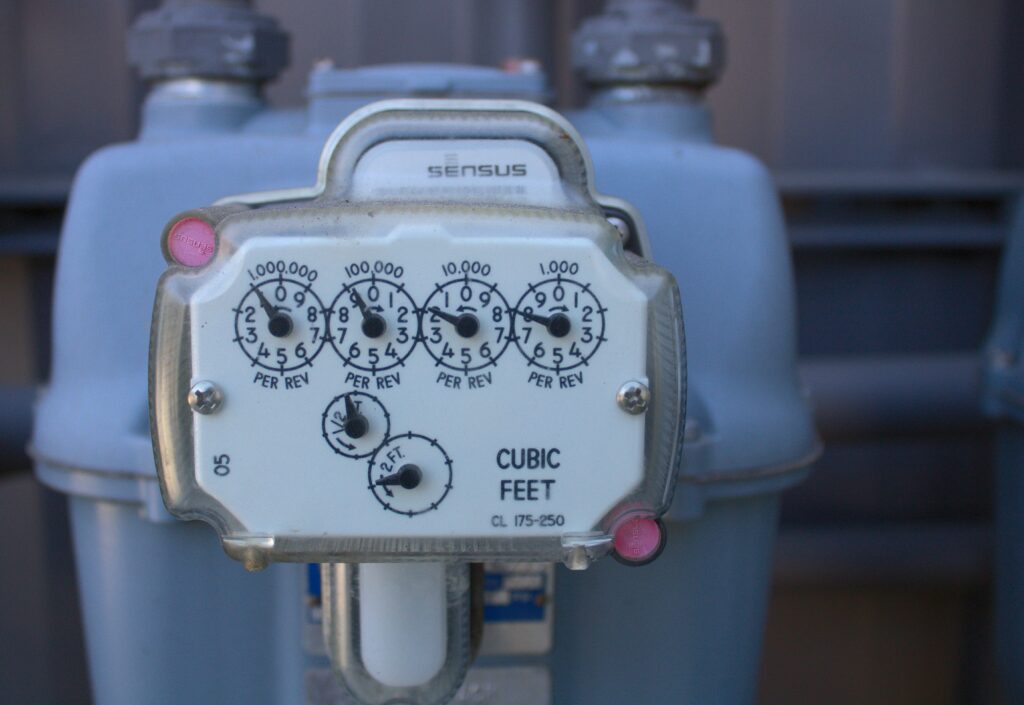
Peer-reviewed research has found that 12.7% of childhood asthma cases in the United States are attributable to gas stove use alone, a striking figure because it links a common household appliance directly to a measurable disease burden (https://www.nature.com/articles/s41598-025-89860-x). Additional research shows that approximately 22 million Americans are exposed to unsafe indoor air pollution levels due to routine household activities like cooking with gas, often exceeding health-based guidelines for nitrogen dioxide (https://scitechdaily.com/22-million-americans-are-breathing-unsafe-levels-of-air-pollution-due-to-this-common-household-activity/).
Harvard researchers have documented that gas used in homes contains hazardous air pollutants, including benzene, a known carcinogen, raising concerns about chronic exposure even in well-maintained residences (https://hsph.harvard.edu/climate-health-c-change/news/natural-gas-used-in-homes-contains-hazardous-air-pollutants/).
Beyond chronic disease, gas introduces a different class of danger: sudden destruction. Pipeline failures and gas leaks have leveled homes and displaced families in single moments. While these events are statistically rarer than pollution exposure, their severity is absolute. Infrastructure expansions—particularly for liquefied natural gas—extend these risks into new communities, concentrating explosive materials near residential zones (https://www.americanprogress.org/article/lng-projects-are-a-bad-deal-for-germans-and-americans/).
Gas harms quietly and violently, often at the same time.
Oil and Refined Fuels: Mobility with Volatility
Oil’s health impacts are harder to isolate because they are distributed across refining, transport, storage, and combustion. When measured per unit of electricity generation, oil ranks among the more dangerous sources, though it is less commonly used for power today (https://ourworldindata.org/safest-sources-of-energy).
The diseases associated with oil are well documented near refineries and major transport corridors. Volatile organic compounds and fine particulates increase cancer risk, worsen asthma, and elevate cardiovascular mortality. Spills and leaks contaminate soil and groundwater, rendering properties uninhabitable and depressing home values for decades.
Oil also introduces a different housing vulnerability: dependence. Fuel shortages, refinery outages, and supply disruptions—especially during extreme weather—leave homes without heat, power, or evacuation options. Recent reporting on gasoline supply constraints illustrates how tightly household safety can be tied to fragile fuel logistics (https://carbuzz.com/why-cant-we-stock-up-on-gasoline-while-its-cheap/).
Hydropower: Rare Catastrophes with Lasting Scars
Hydropower stands apart from fossil fuels in many respects. When measured per terawatt-hour, it is among the safer energy sources, with far fewer routine deaths than coal or gas (https://ourworldindata.org/safest-sources-of-energy). During normal operation, hydroelectric facilities emit little air pollution, significantly reducing chronic disease burdens.
Yet hydropower concentrates risk geographically. Dam failures are rare, but when they occur, they are devastating. State and federal records show hundreds of dam failures and serious incidents in the United States over recent decades, events that have destroyed homes, displaced communities, and permanently altered landscapes (https://kiwienergy.us/blog/pros-and-cons-of-hydroelectric-energy/).
Flooding associated with reservoirs has submerged towns, forced relocations, and destabilized downstream housing. Reservoirs also emit methane from decomposing organic matter, contributing greenhouse gases, though lifecycle analyses consistently show emissions far below those of fossil fuels (https://kiwienergy.us/blog/pros-and-cons-of-hydroelectric-energy/).
Hydropower’s risks are not constant; they are episodic. But when they arrive, they arrive at scale.

Wind and Solar: Minimal Intrusion into Daily Life
Wind and solar energy fundamentally change the risk equation because they remove combustion from the equation entirely. Measured per unit of energy, both rank among the safest energy sources ever deployed, with mortality rates near zero compared to fossil fuels (https://ourworldindata.org/safest-sources-of-energy).
From a health perspective, the absence of air pollution is decisive. There is no ongoing exposure pathway linking wind or solar operation to asthma, heart disease, or cancer in neighboring communities. Concerns about electromagnetic fields from wind turbines have been studied extensively, with exposure levels found to be far below thresholds associated with harm.
Environmental impacts do exist. Wind turbines contribute to bird and bat mortality, and utility-scale solar alters land use and plant and wildlife environments. But these impacts differ qualitatively from fossil fuel harm. They do not infiltrate homes, poison water, or accumulate in lungs.
Structural damage linked to wind and solar facilities is exceedingly rare. Failures, when they occur, are localized rather than systemic.
Labor, Risk, and Who Pays the Price
Energy safety cannot be separated from labor. Coal mining remains one of the most dangerous occupations, with high injury rates and chronic disease burdens. Oil and gas workers face explosion risks, toxic exposures, and long-term health effects.
By contrast, renewable energy labor resembles construction work: not risk-free, but far safer on a per-worker and per-unit-energy basis. Comparative analyses show substantially lower fatality rates in wind and solar industries relative to fossil fuel extraction and processing (https://onlinelibrary.wiley.com/doi/abs/10.1002/sres.3157).
The distribution of harm matters. Fossil fuel systems tend to concentrate risks among workers and nearby residents, often in lower-income or marginalized communities. Renewable systems spread benefits while localizing manageable risks.
Homes, Resilience, and the Future of Safety
Homes suffer when energy systems fail, but they also suffer when energy systems function exactly as designed. Chronic pollution, groundwater contamination, and infrastructure decay slowly undermine habitability.
Energy resilience favors systems that are decentralized, low-toxicity, and failure-tolerant. Rooftop solar paired with storage reduces dependence on distant infrastructure. Microgrids limit outage cascades. Eliminating combustion inside homes removes a major source of disease entirely.
The question is not whether energy carries risk. It is which risks society chooses to tolerate, and who is expected to absorb them.
A Different Way to Frame the Energy Transition
Climate change demands urgent action. But even without climate considerations, the evidence is clear. Coal, oil, and gas impose measurable, ongoing harm on homes and human health. Wind, solar, and modern hydro dramatically reduce those harms.
Energy does not stay at the plant. It enters kitchens, bedrooms, lungs, and foundations. Any serious discussion about energy must start there.
One thought on “Energy At Home: How Power Production Endangers Houses, Health, and the People Inside Them”