

Since 2020, the world has experienced an unprecedented cascade of historic events—pandemic, political upheavals, wars, climate disasters, social movements, economic shifts, and rapid technological transformation. These collective experiences have not only shaped global history, they have also exerted extraordinary psychological and emotional pressure on individuals around the world. As news cycles compress and digital platforms flood us with information, many people find themselves exhausted not just physically, but morally and emotionally. This state—commonly described as moral fatigue or compassion fatigue—is increasingly recognized as a widespread response to continuous exposure to global crises.
Before unpacking how we arrived here and what it means, it is necessary to define what compassion fatigue and moral fatigue actually are, examine the scale and pace of major events since 2020, and then connect those conditions to how advanced information systems interact with human psychology.
What Is Compassion Fatigue and Moral Fatigue?
Compassion fatigue refers to a form of emotional, cognitive, and sometimes physical exhaustion that arises from prolonged exposure to the suffering of others and the stress of empathic engagement. In psychology, compassion fatigue is often described as a form of secondary traumatic stress—or the emotional residue experienced by someone who is repeatedly exposed to traumatic or distressing information about others, even if that person isn’t experiencing the trauma directly. This concept has origins in studies of healthcare workers and caregivers, and it has since been expanded to apply to broader populations exposed to ongoing crises and suffering through media and professional contexts. There are multiple academic definitions, but one widely cited characterization describes compassion fatigue as the emotional and behavioral consequences of sustained empathy toward suffering, resulting in diminished capacity and interest in caring for others. (American Psychological Association – Compassion Fatigue)
Compassion fatigue is not a pathological defect; it is a predictable and human response to cumulative stress. It has been equated with the “cost of caring” that professionals and non-professionals alike experience when repeatedly witnessing trauma without sufficient emotional buffering or resolution. (MDPI – Compassion Fatigue, Burnout, and Secondary Traumatic Stress)
Moral fatigue, while less formally defined in clinical literature, is a related phenomenon referring to exhaustion arising from chronic exposure to moral conflict, injustice, and ethical dilemmas. When individuals are continually confronted with situations that violate deeply held values—racism, violence, democracy crises, human rights abuses—without clear solutions or outcomes, they can experience moral distress and numbing.
The combination of compassion fatigue and moral fatigue in a hyperconnected society can lead to emotional withdrawal, cynicism, decreased civic engagement, and difficulty sustaining attention on issues that matter. This arises in part because the human nervous system evolved to respond to discrete, immediate threats, not a constant barrage of global suffering with no clear endpoint—which advanced information systems now relay in real time.

Why These Conditions Are Becoming Widespread
The prevalence of moral fatigue and compassion fatigue reflects structural transformations in how information is produced and consumed:
- Hyper-Connected Media Environment: 24/7 news cycles, alerts, livestreams, and social media feeds converge to deliver a continuous flow of events from around the world, often without temporal or emotional processing time for the audience.
- Algorithmic Prioritization of Crises: Digital platforms are designed to elevate content that fuels engagement. Traumatic events, controversy, and conflict trigger strong emotional reactions that keep users engaged and therefore monetizable.
- Lack of Closure and Resolution: Modern crises do not have neat beginnings or endings. Ongoing wars, political conflicts, legal battles, social unrest, and climate disasters evolve over years or decades.
- Moral Saturation and Cognitive Load: Individuals are expected to form opinions, take moral positions, and stay informed across a wide array of complex issues simultaneously—a demand that strains cognitive and emotional resources.
This environment creates what psychologists and communication researchers describe as information fatigue or media fatigue, where the cognitive load becomes so high that people begin to numb or disengage as a form of psychological self-protection. (Reuters Institute – News Avoidance) (Pew Research Center – News Fatigue)

Major Events Since 2020 That Shape the Public Emotional Landscape
Since 2020, a historically dense concentration of crises and turning points has unfolded—many of them highly visual, emotionally charged, and persistently covered across media. The following timeline highlights major events that have shaped collective consciousness. This list is not exhaustive; it reflects many prominent and widely experienced developments rather than a fully comprehensive catalog of all global crises or suffering, even those well known.
2020
COVID-19 Pandemic (2020–2023)
The COVID-19 pandemic was a global health emergency that reshaped societies, healthcare systems, economies, and daily life. Millions of deaths, lockdowns, economic disruptions, and prolonged public health debates dominated global media and daily experience. (World Health Organization – COVID-19 Timeline) (CDC – COVID-19 Overview)
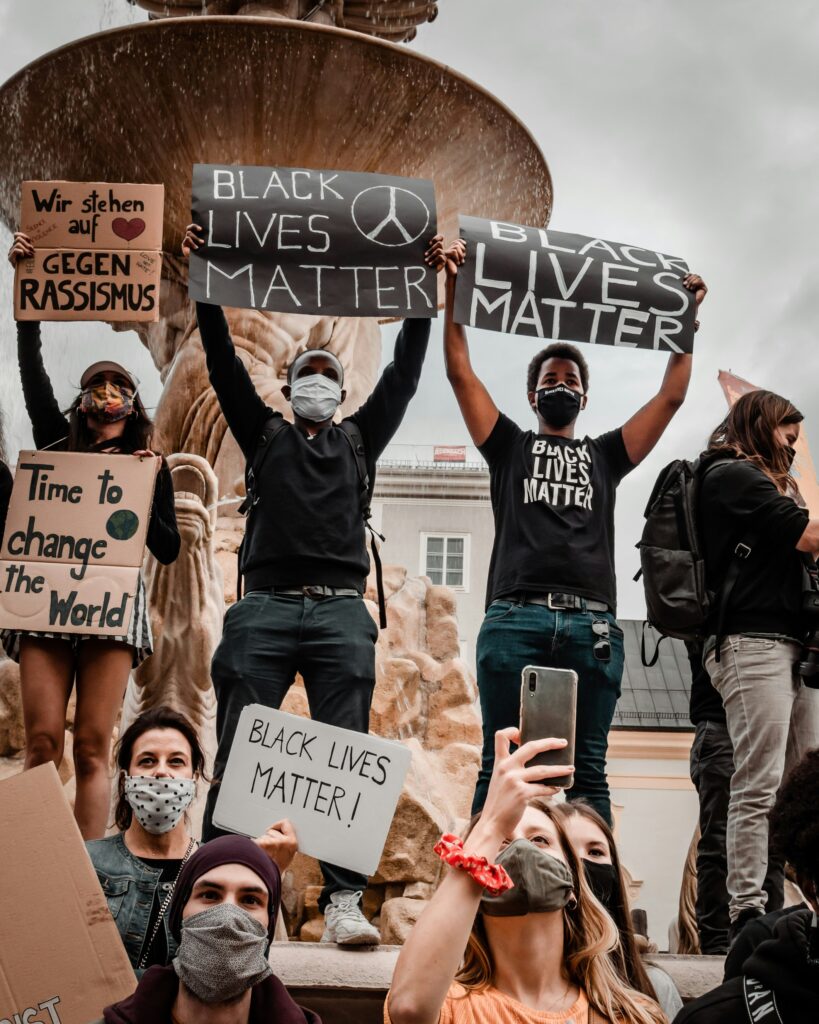
United States Racial Unrest and Black Lives Matter Protests (2020–2023)
The murder of Breonna Taylor in March of 2020, and the murder of George Floyd by police in May 2020 triggered widespread protests and civil unrest in the United States and inspired demonstrations internationally against systemic racism and police brutality. The movement spanned years of attention and local actions, contributing to ongoing national dialogue about racial justice. (BBC News – George Floyd Protests)(https://www.nytimes.com/article/breonna-taylor-police.html)
2021
January 6 Capitol Attack
A faction of supporters of then-President Donald Trump violently breached the U.S. Capitol in an effort to overturn the 2020 presidential election results. The event deeply unsettled perceptions of democratic stability in the United States and lingered as a point of political contention. (CNN – January 6 Overview)
Taliban Takeover of Afghanistan (August 2021)
Following the withdrawal of U.S. and NATO forces, the Taliban rapidly recaptured control of Afghanistan. The chaotic withdrawal and ensuing humanitarian concerns—particularly relating to women’s rights and civil liberties—presented a major geopolitical and ethical flashpoint. (New York Times – Afghanistan Taliban Takeover)
Great Resignation (2021–2022)
A significant shift in the labor market saw record levels of workers resigning from their jobs, driven by burnout, reevaluation of work-life priorities, and worker-employer tension. The trend brought renewed focus to worker rights, wages, and organizational culture. (Harvard Business Review – Great Resignation)
2022
Overturning of Roe v. Wade and Ongoing Abortion Protests (May 2022–Ongoing)
The U.S. Supreme Court’s decision in Dobbs v. Jackson Women’s Health Organization overturned Roe v. Wade, eliminating constitutional protections for abortion rights. This ruling triggered sustained protest movements across the United States. (NPR – Roe v Wade Overturned)
2023–Ongoing
Hamas Attack on Israel and Conflict in Gaza
The October 7, 2023 Hamas attacks and Israel’s subsequent military response in Gaza resulted in massive civilian casualties and humanitarian devastation. Tens of thousands of Palestinians have been killed, many civilians, fueling global protests and moral division. (Euronews – Israel-Gaza Conflict)
AI Expansion and Industry Disruption
Rapid advancements in artificial intelligence have transformed labor markets, creative industries, public discourse, and regulatory debates, leading to both enthusiasm and anxiety about job displacement and societal change. There have also been other conversation such as their impact on climate change and education.

2024–Ongoing
Political Turmoil, Protests, and Institutional Strain
Donald Trump was convicted of felony charges but not sentenced, further destabilizing political norms. Massive protests, global IT outages, supply chain failures, unexplained drone sightings, transportation disasters involving planes and trains, deportation crackdowns, and rising geopolitical tensions—including actions involving Venezuela, China, TikTok bans and other censorship, and Greenland takeover rhetoric—added to public exhaustion.
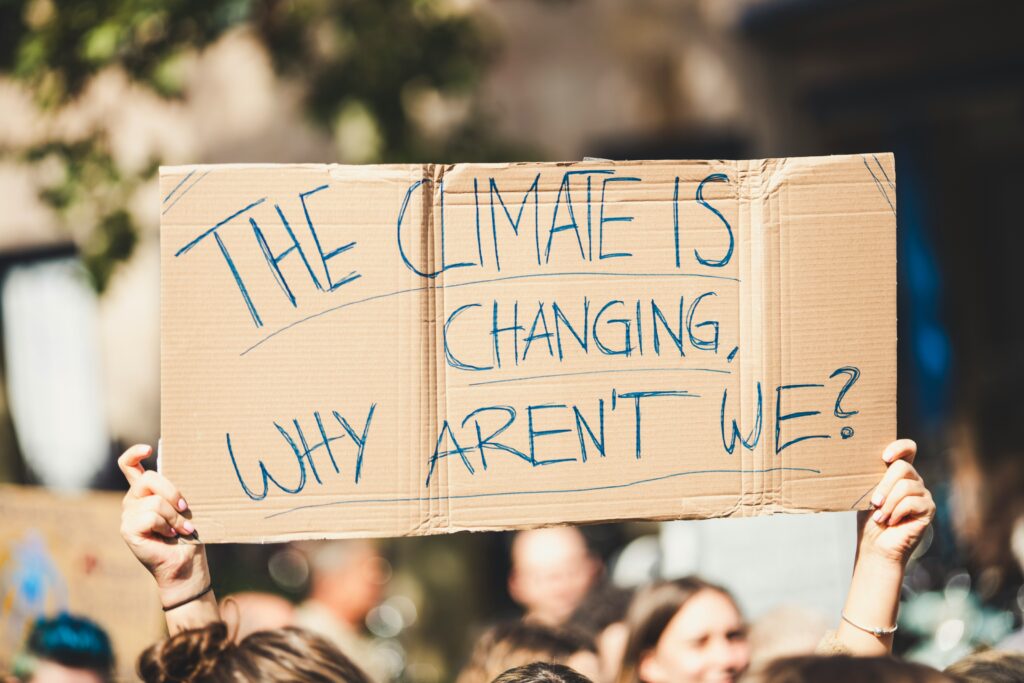
Climate and Natural Disasters
Across multiple years, the world has seen a rise in severe weather events—major storms, floods, hurricanes, wildfires, and earthquakes—reinforcing the reality and urgency of climate-related risks.
Economic Pressures
Persistent inflation, market volatility, and job losses across industries have affected livelihoods, even as parts of the labor market innovate or reorganize. The economic uncertainty exacerbates stress and anxiety for many households.
Information Saturation and the “Flood the Zone” Dynamic
The psychological toll of these events has not occurred in a vacuum. Information ecosystems have shifted dramatically, employing algorithms and engagement-driven logic that often emphasize crisis, conflict, and outrage because those narratives maximize visibility and interaction. This situation can overwhelm cognitive and emotional processing capacity and contribute to the very moral and compassion fatigue that observers report.
In political communication, the tactic described as “flood the zone” refers to deliberate saturation of media and public discourse with a profusion of narratives, news items, and claims—so much so that meaningful engagement becomes harder and attention fractures across innumerable issues. When combined with algorithmic amplification, this dynamic intensifies the pace of attention shifts and emotional sourcing.
Why People Are Exhausted But Still Care
It is important to emphasize that moral fatigue and compassion fatigue does not mean people have stopped caring. Rather, these conditions reflect the stress response of human psychology confronted with continuous traumatic information without adequate emotional relief or structural support. Psychological research on compassion fatigue underscores that it is a predictable consequence of chronic exposure to suffering and stress, not an indication of moral apathy. (APA – Compassion Fatigue)
Realistic Ways to Stay Engaged Without Burning Out
1. Choose Engagement Strategically
Trying to be equally invested in every crisis inevitably leads to burnout and moral fatigue. Instead:
- Identify issues where your engagement can make a concrete difference
- Contribute to organizations or efforts with capacity and infrastructure
- Focus on sustained impact rather than moment-to-moment moral signaling
Purposeful engagement strengthens agency and can protect against feelings of powerlessness.
2. Guard Psychological Boundaries
- Limit frequency of news exposure from time to time rather than avoiding information entirely
- Set interpersonal boundaries for emotionally draining conversations when needed
- Seek professional support if overwhelmed
3. Engage Purposefully, Not Passively
Instead of absorbing information indiscriminately, choose specific causes or issues where you can have impact:
- Volunteer locally or nationally – however be mindful of your own needs and time
- Donate when possible to meaningful organizations or induvial – Be sure to make sure the person or group is reputable and do not give beyond your comfortable means
- Support community initiatives
- Write to policymakers
- Participate in civic discussions
Purposeful engagement strengthens agency and can protect against feelings of powerlessness.
4. Protect Mental Health
Recognize signs of fatigue and burnout—irritability, numbness, sleep changes, loss of meaning—and take proactive steps:
- Seek professional counseling if overwhelmed
- Set personal boundaries around content and conversations
- Practice self-compassion
- Lean on your personal network for support when possible
These are practical, evidence-based steps to maintain functional engagement over time and to limit, if not prevent moral fatigue.
Conclusion
Moral fatigue and compassion fatigue in the age of advanced information are not signs of personal failure—they are natural psychological responses to sustained crises at unprecedented scale. The events of the last several years—from pandemics and political upheaval to climate disasters, wars, and technological disruption—matter deeply, but human emotional and cognitive systems have limits.
Recognizing those limits, and developing realistic strategies to sustain long-term engagement, is essential for both individual well-being and societal resilience. The challenge is not to care less, but to care effectively and sustainably, with intentionality, realistic boundaries, and strategies that support both individual functioning and collective impact.
Want more Mental Health information or information about World Events? Check out those sections on Interconnected Earth.