
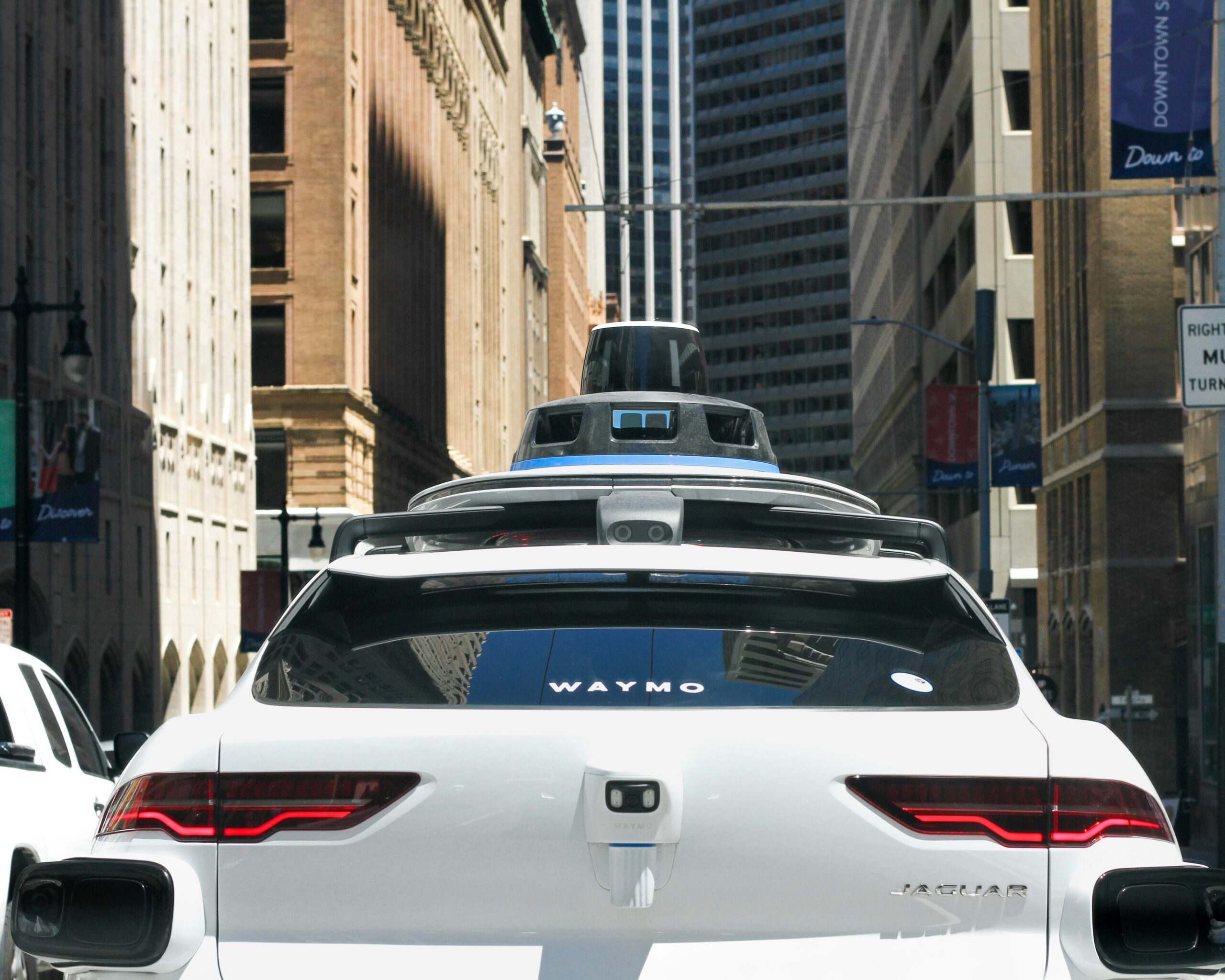
Autonomous vehicles were once framed as an inevitability — a clean technological arc that would move transportation forward in the same way seatbelts, airbags, and GPS once did. For years, the public conversation leaned heavily toward promises: fewer crashes, cheaper transportation, reduced congestion, and newfound freedom for people unable or unwilling to drive. The assumption was not whether autonomous vehicles would arrive, but when.
That assumption no longer goes unchallenged.
Self-driving cars are now operating on public roads, carrying real passengers, interacting with human drivers, cyclists, and pedestrians. Their presence has shifted the conversation from hypothetical futures to lived reality. As autonomous systems scale, the question has become more complicated and more urgent: is this actually a net benefit, or are we trading one set of problems for another — simply because the technology allows it?
Here, we examine autonomous vehicles from multiple angles: technological, economic, social, and infrastructural. We explore the companies pushing autonomy forward, those stepping back, and the broader implications for safety, employment, trucking, public space, ownership, and affordability. What emerges is not a simple verdict, but a crossroads — one where convenience, control, and consequence intersect.
What Autonomous Vehicles Actually Are — and What They Are Not
Autonomous driving exists on a defined spectrum. The Society of Automotive Engineers (SAE) classifies vehicle automation into six levels, ranging from no automation (Level 0) to full automation under all conditions (Level 5). Most real-world autonomous vehicles in operation today fall under Level 4, meaning they can operate without human intervention — but only within specific geographic areas, speeds, and conditions
https://www.sae.org/blog/sae-j3016-update
This distinction is critical. Many public frustrations stem from marketing language that collapses assisted driving and autonomy into the same category. A vehicle that can navigate a mapped urban grid in ideal conditions is fundamentally different from one capable of handling rural roads, extreme weather, or unpredictable human behavior everywhere.
The most visible deployment of Level 4 autonomy today is the driverless ride-hailing vehicle, often referred to as a robotaxi — a model now operating in multiple U.S. cities under tightly controlled conditions
https://www.nhtsa.gov/road-safety/automated-vehicles-safety
Waymo and the Case for Controlled, Incremental Autonomy
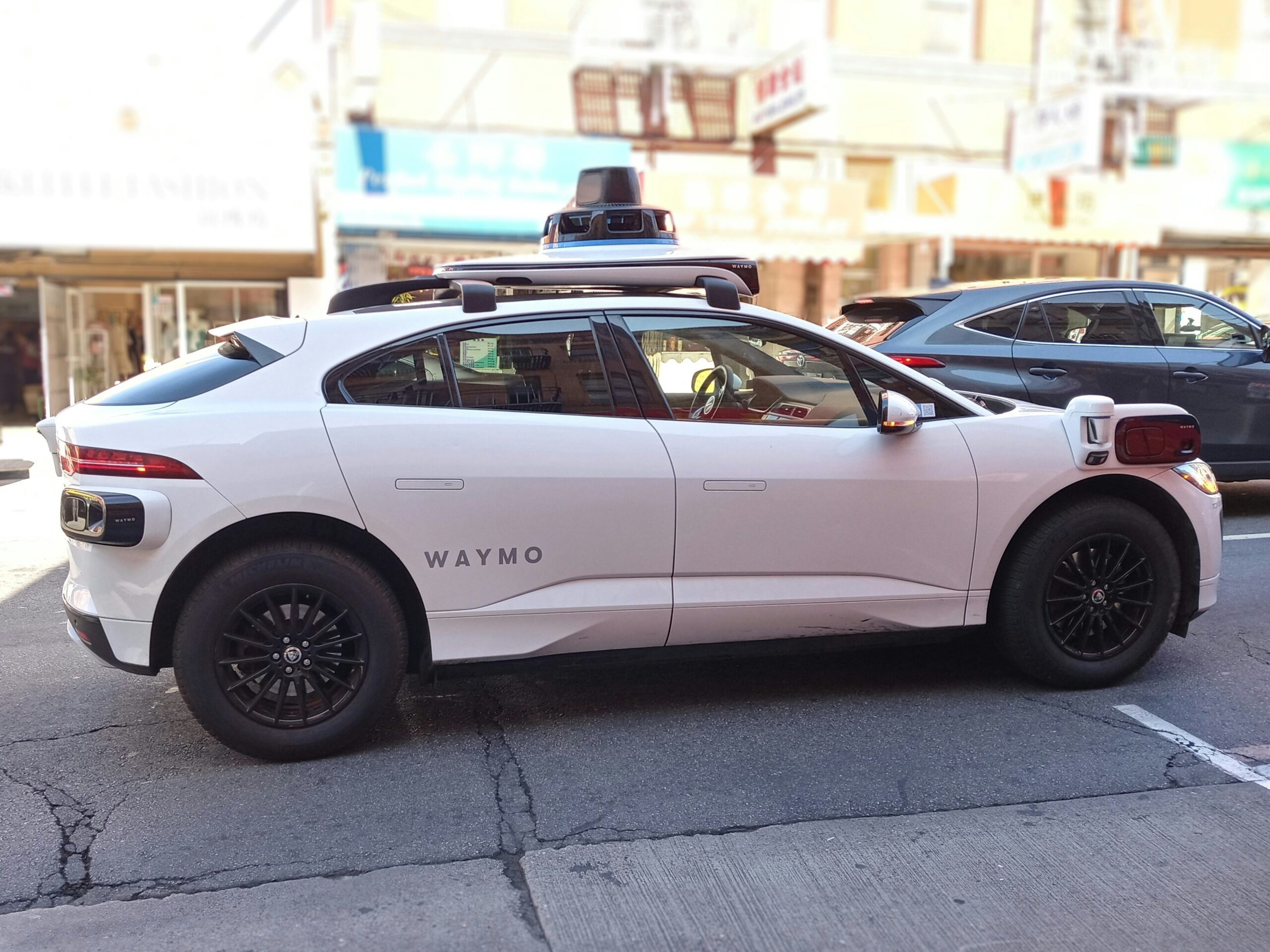
Waymo, Alphabet’s autonomous vehicle subsidiary, is widely viewed as the most mature autonomous operator currently active in the United States. Originating from Google’s self-driving research, Waymo has spent more than a decade developing systems that rely on lidar, radar, cameras, and high-definition maps, combined with large-scale simulation testing.
Waymo vehicles now operate without safety drivers in cities including Phoenix, San Francisco, Los Angeles, Austin, and Atlanta, and the company continues expanding into highway driving and airport routes
https://waymo.com/blog/2025/expanding-autonomous-rides/
That expansion includes planned autonomous trips to major transportation hubs, such as Hartsfield-Jackson Atlanta International Airport — a move that signals growing confidence in higher-speed and more complex driving environments
https://www.usatoday.com/story/news/2026/01/12/will-there-soon-be-driverless-vehicles-going-to-atl-airport-what-to-know/88144033007/
Independent research examining insurance and collision data suggests Waymo’s autonomous vehicles experience fewer bodily injury and property damage claims than human-driven vehicles operating in similar conditions
https://arxiv.org/abs/2309.01206
Still, Waymo’s approach highlights the limits of current autonomy. The vehicles depend heavily on precise mapping, controlled operational design domains, and continuous system updates. Progress is real — but far from universal and many questions remain about it’s use for the long term.
Tesla’s Vision-Centric Strategy and the Cost of Speed
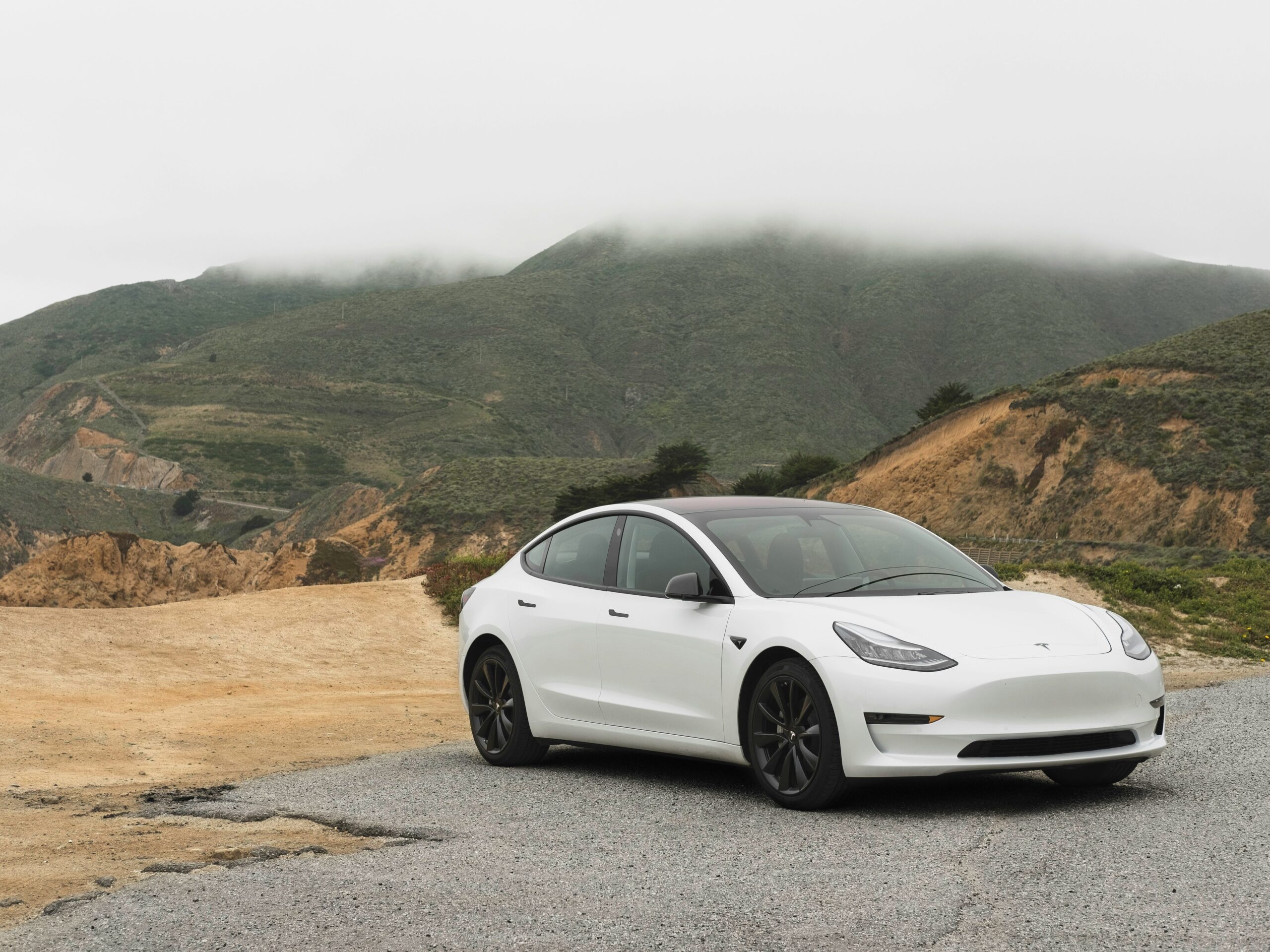
Tesla has taken a dramatically different approach to autonomy. Rather than deploying geofenced fleets, Tesla integrates autonomy into consumer-owned vehicles through its Full Self-Driving (FSD) software.
Tesla’s system relies primarily on camera-based vision and neural networks trained on massive volumes of real-world driving data. The company argues that human-like vision, combined with scale, will ultimately outperform sensor-heavy systems and allow faster, cheaper deployment.
Tesla has launched limited robotaxi trials and continues to signal ambitions for fully autonomous ride-hailing services
https://www.reuters.com/business/autos-transportation/how-tesla-waymos-radically-different-robotaxi-approaches-will-shape-industry-2025-08-28/
Critics argue that branding partially autonomous systems as “self-driving” creates dangerous overconfidence, particularly when human supervision is still legally and practically required. Supporters counter that Tesla’s data advantage could allow it to solve autonomy faster — though regulators and safety experts remain cautious. There are many other safety and other concerns which have yet to have long term answers as well.
The Companies That Pulled Back — and What That Signals
Not every autonomous effort has moved forward.
General Motors’ Cruise division, once positioned as a leader in robotaxis, dramatically reduced operations following safety incidents and regulatory scrutiny
https://www.theatlantic.com/technology/archive/2025/10/is-waymo-safe/684432/
Several automakers have slowed or paused autonomous investments entirely, citing cost overruns, unclear profitability, and public trust challenges. These retreats underscore a growing realization: autonomy is not just an engineering problem, but a social, economic, and regulatory one.

Trucking and Freight: The Quiet Disruption Already Underway
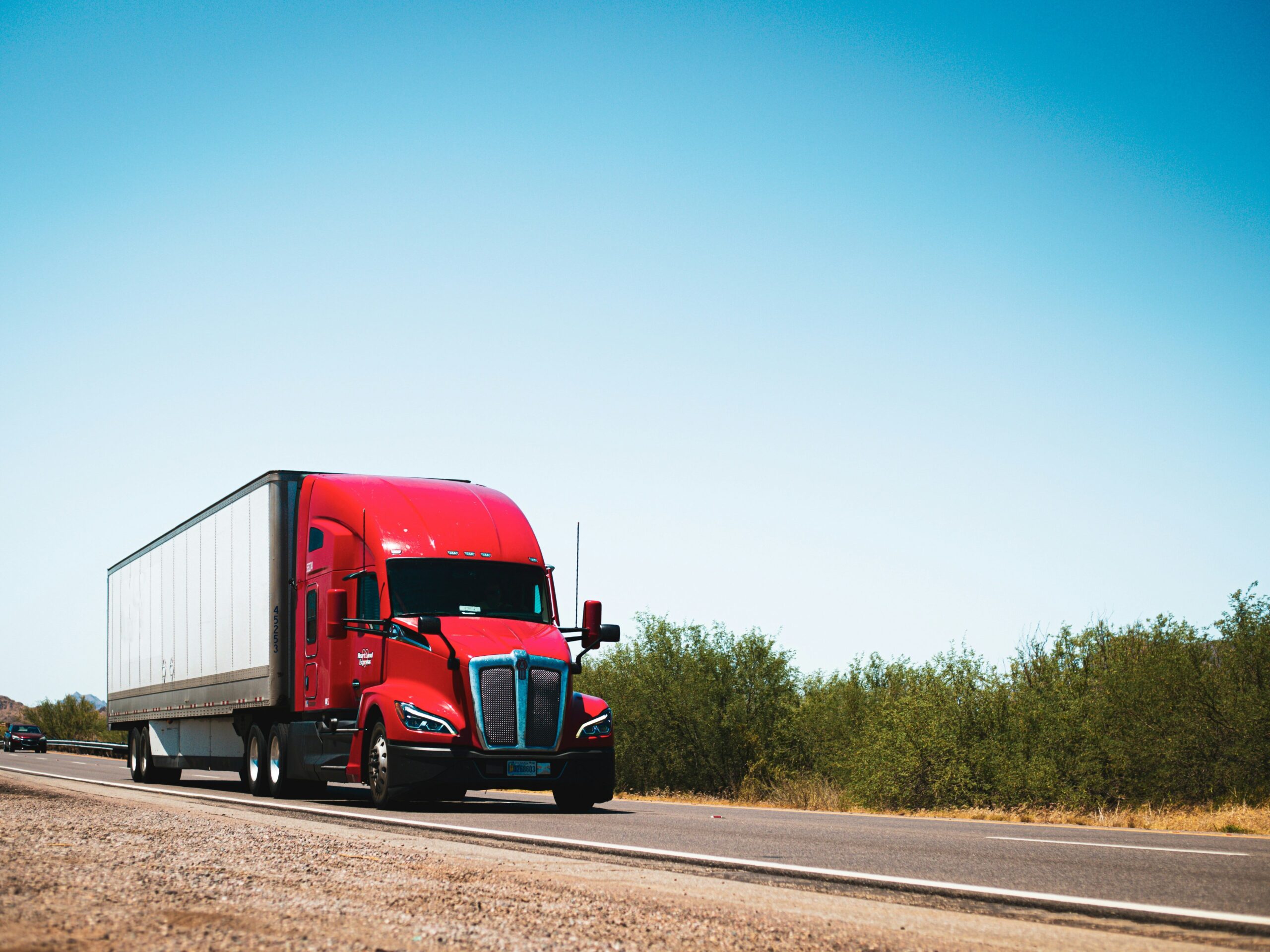
While robotaxis capture public attention, long-haul trucking may experience the most immediate and far-reaching impact from autonomy.
Highway freight routes are comparatively predictable, making them ideal early candidates for autonomous operation. Autonomous trucks could operate longer hours, reduce shipping times, and lower logistics costs
https://aasllcusa.com/2025/08/03/the-rise-of-autonomous-highway-trucking-and-implications-for-auto-insurance/
Industry analyses suggest that hub-to-hub autonomous trucking could significantly reshape freight logistics over the next decade
https://www.niehs.nih.gov/sites/default/files/2024-07/wtp_fall_2023_workshop_report_508.pdf
However, trucking remains one of the largest sources of middle-income employment in the U.S. Automation threatens not just drivers, but entire support ecosystems — fuel stations, rest stops, maintenance, and dispatch services. The benefits of efficiency are real, but so are the social costs of displacement. There is no major active path to train or retrain the labor that is displaced.
Safety: Fewer Crashes — or New Categories of Risk?
Safety remains the strongest argument in favor of autonomy. Human error contributes to the majority of traffic fatalities, making the potential reduction in crashes a compelling promise
https://www.autoweek.com/news/a65591132/safety-case-for-autonomous-vehicles/
Autonomous fleets have demonstrated reductions in certain collision types, particularly rear-end and intersection accidents. Yet autonomy introduces new risks: software failures, sensor limitations, unpredictable edge cases, and cybersecurity threats
https://www.brookings.edu/articles/the-evolving-safety-and-policy-challenges-of-self-driving-cars/
Public tolerance for autonomous failure is also significantly lower than for human error. A single high-profile crash involving a driverless vehicle can stall deployment across entire regions, and should. These fleets operate in small numbers for now and have yet to be pressure tested at scale. Widespread technical glitches or technical outages, which are only becoming more common, could pose a huge threat.
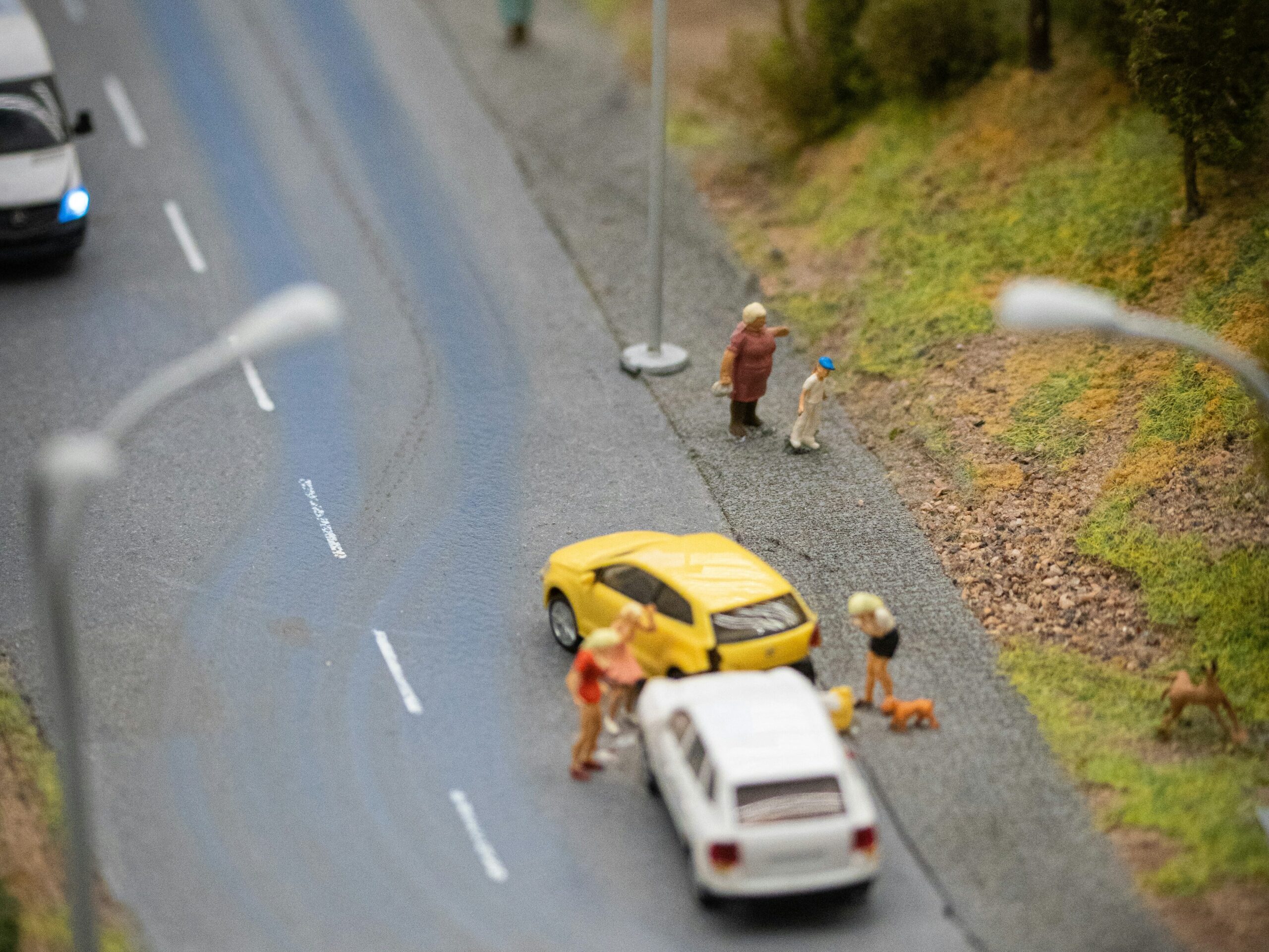
Roads, Cities, and Infrastructure
Autonomous vehicles do not simply adapt to infrastructure — they reshape it.
In theory, autonomy could improve traffic flow and reduce parking demand. In practice, cheaper and easier rides may increase total vehicle miles traveled, placing additional strain on urban road systems.
Cities may need new digital infrastructure, curb management strategies, and traffic coordination frameworks to integrate autonomous fleets safely.
https://www.brookings.edu/articles/self-driving-cars-and-the-future-of-urban-infrastructure/
But what is the cost of this infrastructure, and who will bare the burden of that cost. How much of our current way of life will it displace or improve with these changes?
Ownership, Affordability, and Control
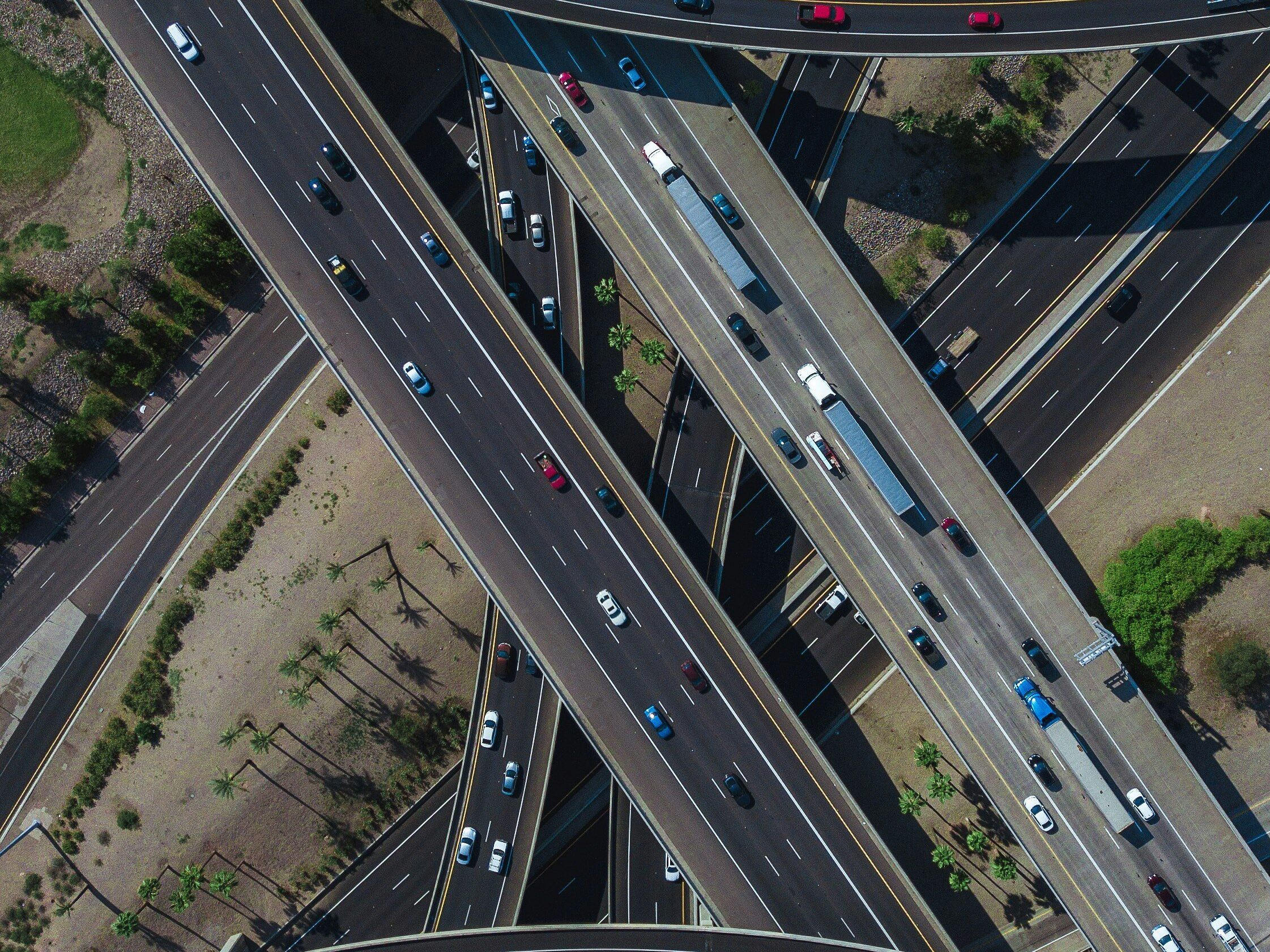
Autonomous vehicles challenge the traditional model of personal car ownership. If on-demand autonomous rides become reliable and affordable, fewer people may choose to own vehicles — particularly in dense urban areas.
At the same time, autonomy may concentrate power in the hands of large fleet operators and technology companies. Whether efficiency gains translate into real affordability for consumers remains uncertain.
https://www.tomorrow.bio/post/the-economic-impacts-of-self-driving-cars-2023-06-4603433441-iot
Once consumers no longer own their vehicles how much will it limit how far they can go or where they can go in the long term? How much does this accelerate concentrated economic power even more?
Autonomous Vehicles, Climate Change, and the Sustainability Question
Autonomous vehicles are often framed as an environmental solution by default — cleaner, more efficient, and inherently better for the climate. That assumption deserves closer examination. Autonomy, electrification, and sustainability are related concepts, but they are not interchangeable, and conflating them obscures both real progress and real risk.
Most autonomous vehicles currently in operation are electric, particularly robotaxi fleets operated by companies like Waymo. Electric drivetrains eliminate tailpipe emissions, a meaningful benefit in dense urban areas where air quality and public health are already strained. Reduced local pollution is one of the clearest environmental advantages of electric autonomous fleets
https://www.epa.gov/greenvehicles/electric-vehicle-myths
Autonomous systems may also drive more efficiently than humans. Smoother acceleration, optimized routing, and reduced idling can lower per-mile energy consumption, particularly in stop-and-go traffic
https://www.energy.gov/eere/vehicles/articles/how-connected-and-automated-vehicles-could-improve-fuel-economy
However, these gains exist in tension with a less discussed outcome: more driving overall.
Efficiency Gains vs. Induced Demand
One of the central risks autonomous vehicles pose to climate goals is induced demand. When transportation becomes cheaper, easier, and more convenient, people tend to use it more. Autonomous ride-hailing could increase total vehicle miles traveled, especially if empty vehicles reposition themselves between trips or replace walking, biking, and public transit
https://www.brookings.edu/articles/autonomous-vehicles-and-the-future-of-urban-mobility/
Several modeling studies suggest that even highly efficient fleets of autonomous vehicles could increase congestion and emissions if they encourage longer commutes, more discretionary trips, or suburban sprawl
https://www.nature.com/articles/s41558-018-0260-7
In this scenario, these autonomous vehicles improve efficiency per trip while worsening environmental outcomes at the system level — a familiar pattern in energy economics where gains are offset by increased consumption.
Electric Does Not Automatically Mean Green
While electric vehicles reduce tailpipe emissions, their climate impact depends heavily on how electricity is generated and how vehicles are manufactured.
Battery production is energy-intensive and relies on mining materials like lithium, cobalt, and nickel, which carry environmental and social costs. Lifecycle analyses show that EVs generally outperform internal combustion vehicles over time, but the upfront emissions are higher and benefits accrue unevenly across regions
https://www.iea.org/reports/global-ev-outlook-2024
If autonomous fleets accelerate vehicle turnover — replacing cars more frequently to keep sensors and hardware current — those manufacturing emissions could increase. Autonomy may shorten vehicle lifespans rather than extend them, undermining some of the environmental gains associated with electrification.
A Technology at a Crossroads
Autonomous vehicles are neither a cure-all but they have yet to entirely become a cautionary tale. They are a powerful tool with uneven consequences.
The convenience is undeniable. So are the trade-offs — job displacement, infrastructure strain, ethical ambiguity, and a quiet redefinition of who controls mobility. The real question is not whether autonomous vehicles are impressive, but who benefits, who bears the cost, and who gets to decide how far this technology goes.
At this crossroads, the challenge is not stopping innovation — but ensuring it serves the public rather than simply moving faster than our ability to govern it.
Want more? Check out the World Events and Technology sections of Interconnected Earth. We’re so glad you stopped by today.