

Online vs Retail Sales in 2026 and What It Means for Society
Explore how online vs retail sales in 2026 influence societal trends and reflect deeper patterns in consumer behavior and wealth distribution.
Explore how online vs retail sales in 2026 influence societal trends and reflect deeper patterns in consumer behavior and wealth distribution.

What Human Work Should Remain — and What Might Make More Sense for AI or Automation To Actually Take On?
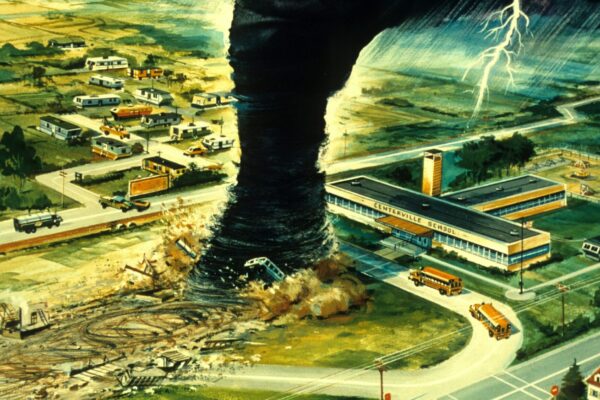
Weather prediction has never been more powerful, and yet it has never felt less reliable to the average person. Professional meteorologists, climate scientists, and emergency planners have access to models and data streams that would have been unimaginable even two decades ago. Global numerical weather prediction systems now simulate the atmosphere at resolutions once reserved…

Biodegradable packaging is often presented as a clear alternative to conventional plastic. If plastic pollution is accumulating in oceans, soils, food chains, and human bodies, then materials designed to break down safely should be an obvious replacement. Yet despite decades of innovation and growing public concern, petroleum-based plastics still dominate global packaging markets. The persistence…
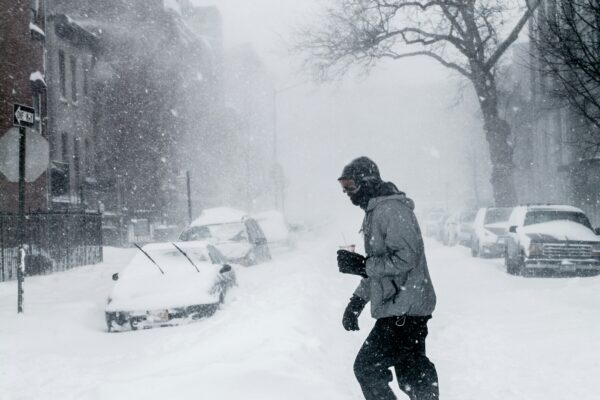
Climate change was never just about warmth. It was about disruption. It was about systems losing their balance. And extreme winter weather is one of the clearest signs that the climate we built our societies around no longer exists.
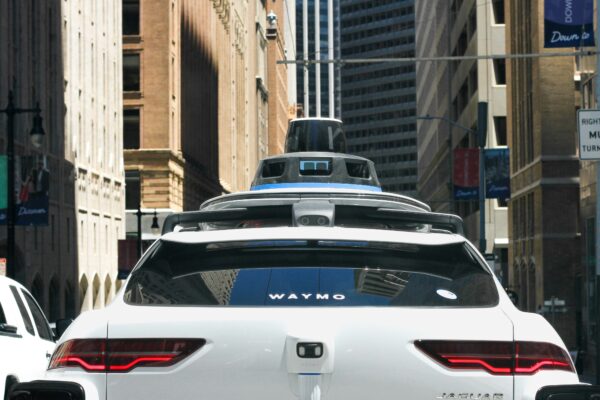
Autonomous vehicles were once framed as an inevitability — a clean technological arc that would move transportation forward in the same way seatbelts, airbags, and GPS once did. For years, the public conversation leaned heavily toward promises: fewer crashes, cheaper transportation, reduced congestion, and newfound freedom for people unable or unwilling to drive. The assumption…

Since 2020, the world has experienced an unprecedented cascade of historic events—pandemic, political upheavals, wars, climate disasters, social movements, economic shifts, and rapid technological transformation. These collective experiences have not only shaped global history, they have also exerted extraordinary psychological and emotional pressure on individuals around the world. As news cycles compress and digital platforms flood us with information, many people find themselves exhausted not just physically, but morally and emotionally. This state—commonly described as moral fatigue or compassion fatigue—is increasingly recognized as a widespread response to continuous exposure to global crises.
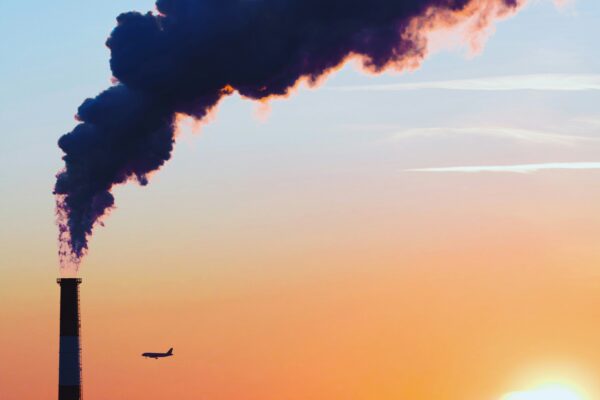
Here we explore who the world’s top polluters really are, how power and profit shape their decisions, who sits at the top of these organizations, and what the psychological and emotional landscape of that leadership may look like under the weight of planetary-scale consequences.

Walk down any American grocery aisle and you are surrounded by color. Neon reds, radioactive blues, fluorescent yellows—foods engineered to look louder than nature ever intended. These colors are not incidental. They are synthetic food dyes, petroleum-derived chemicals designed to make processed food more appealing, more marketable, and more addictive. For decades, they have been…

Lobbying is often discussed as a background feature of American politics—something abstract, technical, or inevitable. But in practice, lobbying is one of the clearest ways to see whose interests have the most consistent access to lawmakers, regulators, and the policy-writing process itself. Money does not guarantee outcomes, but it determines proximity: who gets meetings, who…