
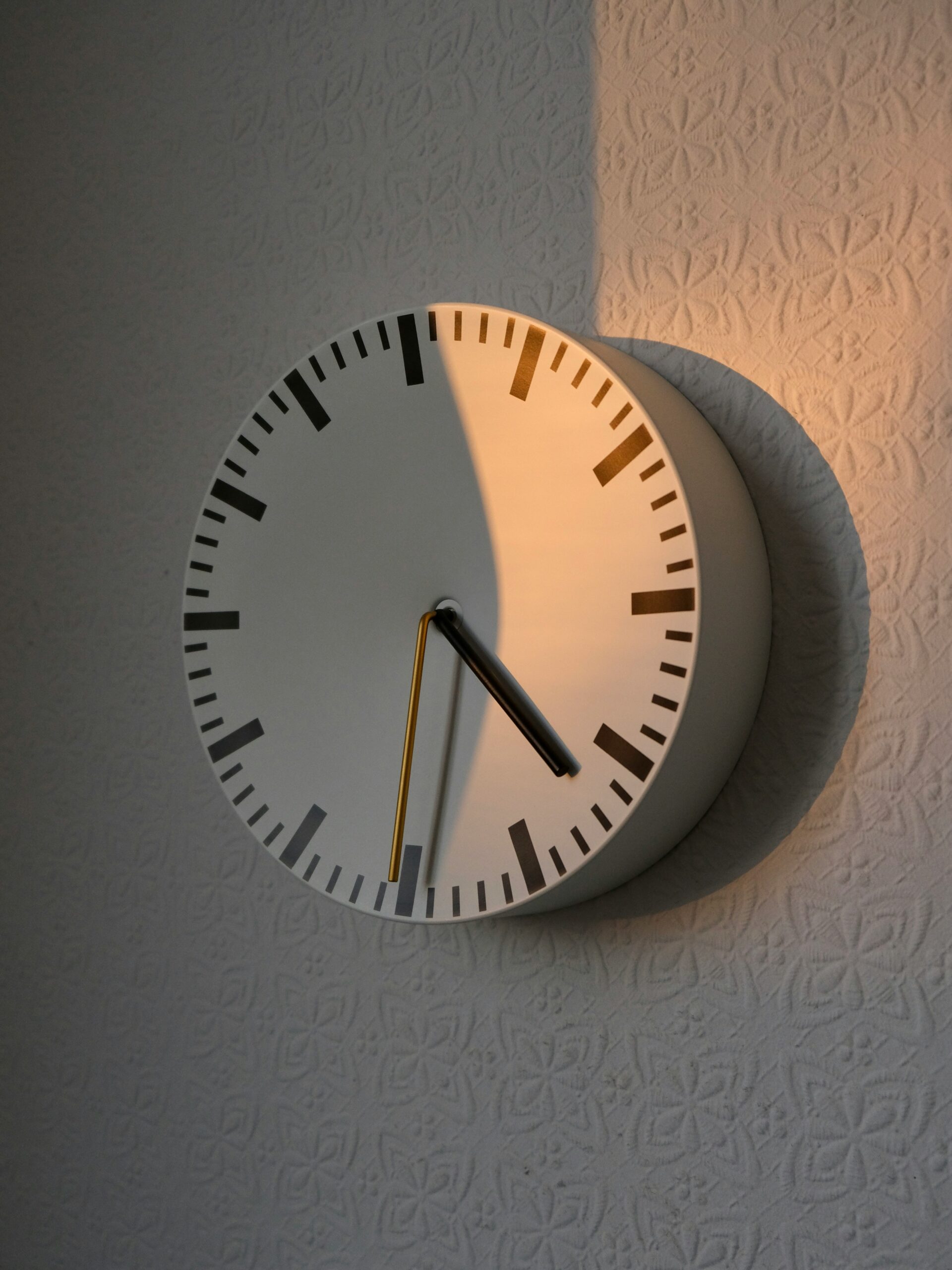
Twice every year millions of people experience a small but disruptive event: the clocks move forward or backward. The practice, known as Daylight Saving Time (DST), was originally intended to conserve energy and make better use of daylight hours. Yet over the last several decades, research in medicine, psychology, and economics has increasingly questioned whether the system provides real benefits.
Across many countries there is growing debate about eliminating seasonal clock changes entirely. Some proposals suggest adopting permanent daylight saving time, while many scientists argue that permanent standard time would be healthier for human biology.
What would happen if the world permanently ended the twice yearly shift? The effects would reach far beyond simply adjusting clocks. Mental health, public safety, workplace productivity, global coordination, and even economic sectors would feel the impact.
Here we examine the mental health implications, societal and geopolitical effects, and economic consequences of eliminating daylight saving time, while also exploring the tradeoffs and challenges that would accompany such a transition.
Circadian Rhythms and Why Time Changes Affect Mental Health
Human bodies operate on circadian rhythms. These internal clocks regulate sleep, hormone release, body temperature, and cognitive function. They are strongly influenced by sunlight exposure, particularly morning light.
When clocks shift abruptly during the spring and fall DST transitions, circadian rhythms temporarily become misaligned. Even a one hour shift can produce measurable physiological effects.
Research shows that losing one hour of sleep during the spring transition has immediate consequences for mental and physical health. A study published in Sleep Medicine Reviews found that the transition to daylight saving time causes sleep deprivation and circadian misalignment that can affect mood and cognitive functioning (https://www.sciencedirect.com/science/article/pii/S1087079216300540).
The American Academy of Sleep Medicine has also argued that seasonal clock changes are harmful to sleep health and recommends eliminating daylight saving time in favor of permanent standard time. Their position statement emphasizes that stable time alignment with natural light cycles improves sleep duration and mental health outcomes (https://jcsm.aasm.org/doi/10.5664/jcsm.8780).
Even small disruptions to sleep cycles can increase emotional instability. Chronic sleep deprivation has long been associated with anxiety disorders, depression, and impaired emotional regulation.
Because the clock change happens simultaneously across entire populations, its effects appear as noticeable spikes in public health data.
Evidence Linking DST Transitions to Suicide and Depression

One of the most concerning mental health effects of daylight saving time transitions is the relationship between sleep disruption and suicide risk.
A large study published in JAMA Psychiatry found a significant increase in suicide rates following the spring transition to daylight saving time in some populations. Researchers suggested that the sudden sleep disruption combined with seasonal changes in daylight may contribute to increased vulnerability among individuals already struggling with depression (https://jamanetwork.com/journals/jamapsychiatry/fullarticle/2729451).
Another analysis examining time change effects across several countries found that circadian disruption from DST can worsen mood disorders and increase psychiatric distress during the weeks after the clock shift (https://www.ncbi.nlm.nih.gov/pmc/articles/PMC7205184/).
Morning light plays an important role in stabilizing circadian rhythms and regulating serotonin production, which affects mood. When clocks shift forward in spring, people wake up in darker conditions for several weeks. That reduction in morning sunlight can delay circadian rhythms and exacerbate depressive symptoms.
Sleep experts often emphasize that permanent standard time would align better with natural solar cycles. This alignment would restore earlier sunrise times in winter, providing more morning light that supports mental health.
One modeling analysis suggested that maintaining permanent standard time in the United States could potentially prevent thousands of suicides over time by stabilizing circadian rhythms and reducing seasonal sleep disruption (https://www.sleepfoundation.org/how-sleep-works/daylight-saving-time).
While the exact number is debated, most researchers agree that eliminating clock changes would reduce short term spikes in psychological distress.
Cardiovascular and Safety Impacts of the Clock Change
Mental health is not the only area affected by DST transitions. Sudden sleep loss also produces measurable physical health risks.
Multiple studies have documented increased rates of heart attacks in the days following the spring shift. A well known study published in The New England Journal of Medicine found that the risk of myocardial infarction rises significantly during the week after the clocks move forward (https://www.nejm.org/doi/full/10.1056/NEJMc0807104).
Traffic safety is also affected. Research from the AAA Foundation for Traffic Safety and other groups shows an increase in fatal traffic accidents in the days immediately after the spring transition, likely caused by sleep deprivation and darker morning commutes (https://aaafoundation.org/effects-daylight-saving-time-fatal-crashes/).
Workplace injuries show a similar pattern. A study in the Journal of Applied Psychology found that workplace accidents increase after the spring DST shift, while workers also experience a temporary drop in productivity (https://psycnet.apa.org/record/2009-04078-003).
These findings suggest that removing seasonal time changes could produce modest but meaningful improvements in public safety.
Even if the individual effect on any one person is small, the population level impact becomes significant when applied to hundreds of millions of people.
What Happens in Countries That Abolished DST
Many countries have already experimented with eliminating daylight saving time.
Roughly half of the world’s countries no longer change their clocks seasonally. Some tried DST and later abandoned it after concluding that the benefits were minimal.
Mexico abolished daylight saving time in most of the country in 2022. Lawmakers cited limited energy savings and widespread public dissatisfaction with clock changes (https://www.reuters.com/world/americas/mexico-senate-approves-bill-end-daylight-saving-time-2022-10-26/).
Border regions near the United States still follow the U.S. schedule to maintain economic coordination, but the majority of Mexico now uses a fixed year round time.
Turkey adopted permanent daylight saving time in 2016, keeping one time year round instead of changing clocks twice annually. The government argued that the policy would simplify daily life and reduce confusion (https://www.bbc.com/news/world-europe-37304604).
Russia also eliminated seasonal clock changes in 2011. After experimenting with permanent daylight saving time and later shifting to permanent standard time, the country ultimately maintained a stable clock system without seasonal adjustments (https://www.britannica.com/story/why-do-we-have-daylight-saving-time).
These transitions did not produce major long term economic disruptions. In most cases, populations adapted quickly once schedules stabilized.
The main adjustments occurred during the initial transition period, when businesses and international partners needed to update scheduling systems.
Global Coordination and International Business
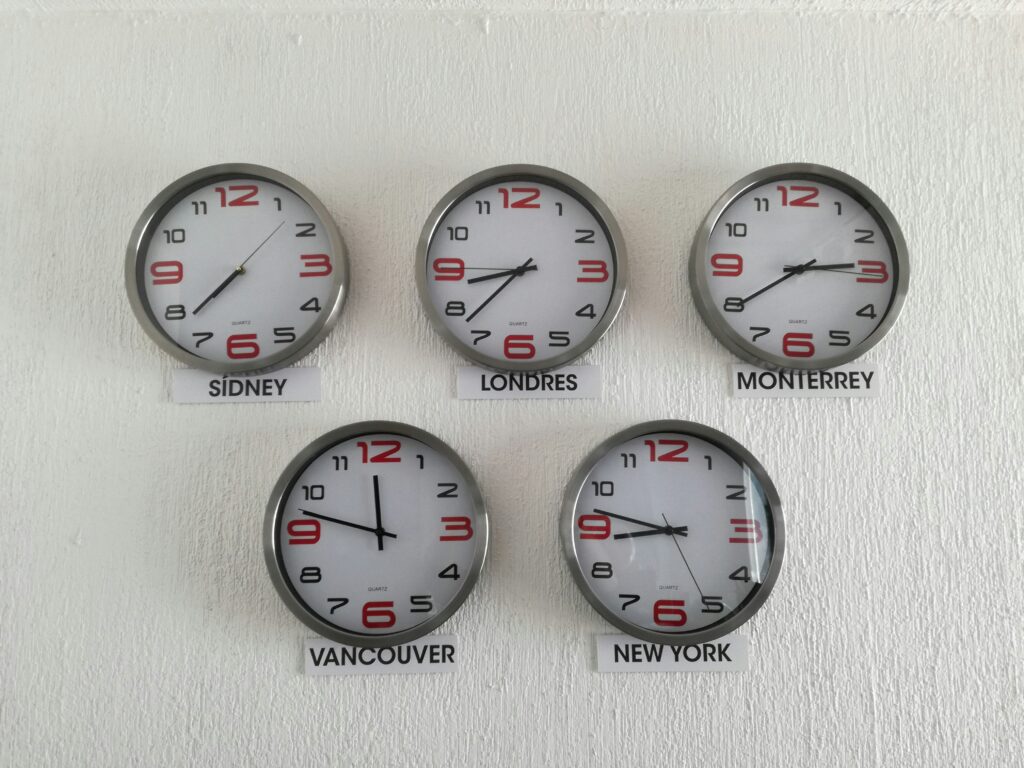
One of the biggest practical challenges of ending daylight saving time would involve global coordination.
Modern economies depend heavily on synchronized schedules. Aviation, financial markets, logistics networks, and multinational companies operate across time zones.
Seasonal time changes already create temporary confusion. Airlines and international meetings must adjust schedules twice every year to account for clock shifts in different countries.
Eliminating daylight saving time could initially complicate global coordination if different countries adopted different permanent time policies.
For example, if the United States switched to permanent standard time while Europe retained seasonal clock changes, the time difference between regions would shift during parts of the year.
However, once countries stabilized their systems, coordination might actually become easier. Stable time zones remove the need for seasonal schedule adjustments and reduce the risk of scheduling errors.
The European Parliament has already debated eliminating DST across the European Union. Surveys conducted by the European Commission found strong public support for ending seasonal clock changes (https://www.europarl.europa.eu/news/en/headlines/society/20190326STO32407/scrapping-daylight-saving-time).
While the policy has not yet been implemented across the EU, the discussion reflects a broader global trend toward reconsidering the practice.
Productivity, Labor, and Economic Effects
The economic effects of daylight saving time are complex. Some industries benefit from extended evening daylight, while others suffer from sleep disruption and safety risks.
Sleep deprivation alone carries significant economic costs. The RAND Corporation estimated that sleep loss costs the United States hundreds of billions of dollars annually through reduced productivity and increased health care spending (https://www.rand.org/pubs/research_reports/RR1791.html).
Even a small contributor to sleep loss, such as DST transitions, can produce measurable economic effects when scaled across an entire workforce.
Research shows that workers are less productive in the days following the spring clock shift. Sleep loss reduces concentration, increases errors, and slows cognitive processing.
Certain sectors are especially vulnerable. Manufacturing, construction, transportation, and healthcare rely on high levels of alertness and safety. Fatigue in these industries can lead to accidents and costly mistakes.
Eliminating seasonal clock changes could therefore improve worker performance and reduce workplace injuries.
Another area affected by DST is school performance. Adolescents already struggle with early school start times and delayed sleep cycles. Darker winter mornings caused by daylight saving time can worsen sleep deprivation among students.
A stable schedule with more morning sunlight could improve alertness and academic outcomes.
Industries That Benefit From Daylight Saving Time
Despite its drawbacks, some industries benefit from the extended evening daylight associated with DST.
Retail, tourism, outdoor recreation, and hospitality often see increased activity when evenings remain brighter. Consumers are more likely to shop, dine out, or participate in outdoor activities after work when daylight lasts longer.
Historically, golf courses and sports organizations have supported daylight saving time because longer evening daylight encourages recreational participation.
Energy companies once supported DST because it was believed to reduce electricity consumption. The idea was that longer daylight in the evening would reduce the need for artificial lighting.
However, modern research suggests the energy savings are minimal or nonexistent. A study published by the U.S. Department of Energy found that DST reduces electricity consumption by only a tiny fraction of a percent (https://www.energy.gov/eere/articles/daylight-saving-time-saves-energy).
Changes in air conditioning use and heating demand often offset any lighting savings.
In today’s economy the overall energy impact appears negligible.
Permanent Standard Time vs Permanent DST
If daylight saving time ended permanently, governments would face an important decision. Should societies adopt permanent standard time or permanent daylight saving time?
Sleep scientists overwhelmingly support permanent standard time because it aligns more closely with natural sunlight patterns.
Morning sunlight is critical for regulating circadian rhythms. When sunrise occurs earlier, it signals the brain to wake up and stabilizes the body’s internal clock.
Permanent daylight saving time would delay sunrise in winter. In some northern regions this would mean extremely dark mornings, with sunrise occurring close to 9:00 a.m. or later.
Dark winter mornings could increase traffic accidents, reduce alertness at work and school, and worsen seasonal depression.
For these reasons the American Academy of Sleep Medicine and many other medical organizations recommend permanent standard time rather than permanent DST (https://jcsm.aasm.org/doi/10.5664/jcsm.8780).
Downsides and Challenges of Ending DST
Although many researchers support eliminating seasonal clock changes, the transition would not be entirely seamless.
One challenge involves adjusting social schedules that have evolved around daylight saving time. Businesses that rely on evening activity might experience slightly reduced revenue if sunsets occur earlier during summer months under permanent standard time.
Sports leagues, television broadcasters, and entertainment venues might also need to adjust scheduling strategies.
Another issue involves international coordination. Countries that trade heavily with partners in different time zones might face temporary disruptions while schedules are recalibrated.
Technology systems would also require updates. Computer systems, scheduling software, airline booking platforms, and financial trading systems rely on time zone databases that include DST rules. Removing those rules would require coordinated software updates worldwide.
While these adjustments are manageable, they require planning.
Public perception also matters. Many people enjoy longer summer evenings and associate them with leisure activities. Political resistance to losing that extra daylight could slow policy changes.
Who Benefits the Most
Ending daylight saving time would benefit several groups more than others.
Workers in safety critical jobs would likely see improved working conditions. Transportation workers, medical professionals, and manufacturing employees are particularly vulnerable to fatigue related errors.
Students and young people could benefit from better alignment between school schedules and natural sleep cycles.
Individuals with mood disorders may experience more stable circadian rhythms and fewer seasonal disruptions.
Older adults and individuals with cardiovascular conditions might also see reduced health risks during spring transitions.
The broader population would benefit from simpler timekeeping and fewer seasonal disruptions.
A Small Change With Wide Effects
At first glance daylight saving time may seem like a minor inconvenience. Yet its effects ripple through nearly every aspect of modern life.
Sleep science shows that even small disruptions to circadian rhythms can affect mental health, safety, and productivity. Evidence linking DST transitions to increased accidents, heart attacks, and psychological stress suggests that eliminating clock changes could produce measurable improvements in public health.
Countries that have abandoned seasonal time changes demonstrate that societies can adapt quickly once schedules stabilize.
The global economy would require adjustments, but the long term benefits of stable timekeeping could outweigh the transitional costs.
The deeper question is whether social schedules should align with human biology or attempt to reshape it. As research on sleep and mental health continues to grow, the argument for aligning public time with natural circadian rhythms becomes stronger.
Ending daylight saving time permanently would not solve every public health or economic challenge. But it represents one of the rare policy changes where a simple adjustment to daily life could quietly improve well being across entire populations.
Explore more perspectives on interconnected global systems across the different sections of Interconnected Earth:
World Events
https://interconnectedearth.com/category/world-events/
Mental Health
https://interconnectedearth.com/category/mental-health/
Climate Change
https://interconnectedearth.com/category/climate-change/
Technology
https://interconnectedearth.com/category/technology/
Arts and Entertainment
https://interconnectedearth.com/category/arts-and-entertainment/
Philosophy
https://interconnectedearth.com/category/philosophy/