
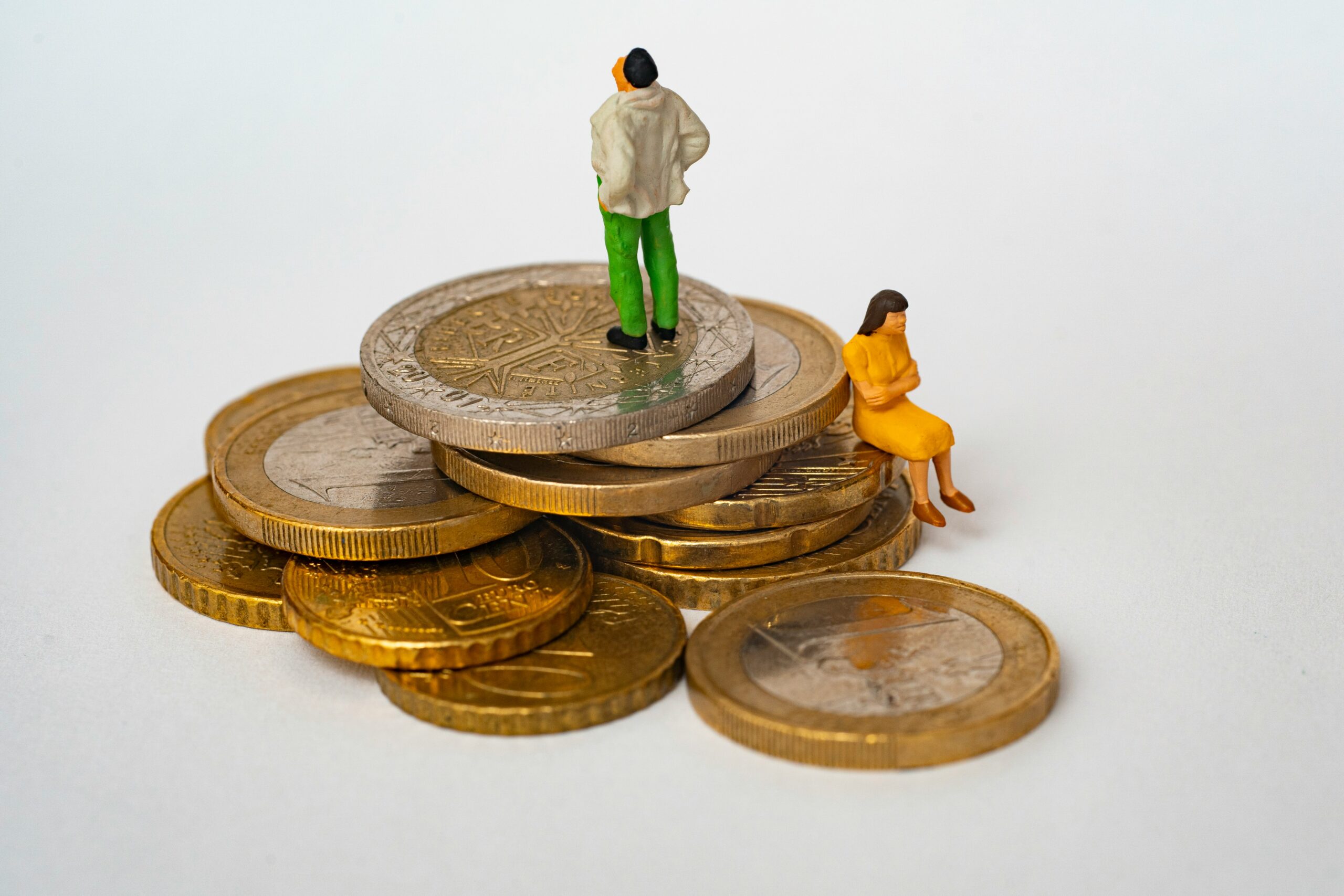
Income inequality has become one of the defining economic and social issues of the 21st century. While economic growth has lifted billions out of poverty over the past few decades, the distribution of that growth has been uneven. In many countries, wealth and income have become increasingly concentrated in the hands of a small portion of the population. In others, government policies and social institutions have moderated these disparities.
Understanding inequality requires more than simply comparing how rich or poor countries are. Some of the wealthiest nations in the world still struggle with wide income gaps, while some middle income countries have relatively equal distributions. The structure of a country’s economy, its taxation system, labor protections, social welfare programs, education access, and historical development all influence how wealth is shared.
Here we explore how income inequality differs across the world, focusing particularly on the ten most powerful economies and examining the policies and structures that shape their income distribution.
How Income Inequality Is Measured
Economists typically measure inequality using the Gini coefficient, a statistical measure that ranges from 0 to 1. A value of 0 indicates perfect equality where everyone has the same income, while a value of 1 represents perfect inequality where a single individual receives all income. Most modern economies fall somewhere between 0.25 and 0.50.
You can learn more about how the Gini coefficient works here:
https://data.worldbank.org/indicator/SI.POV.GINI
In general:
- 0.25 to 0.30 indicates relatively equal income distribution
- 0.30 to 0.40 represents moderate inequality
- 0.40 and above suggests high inequality
Among OECD countries, the average Gini coefficient sits around 0.32, but there is substantial variation between nations. Nordic countries tend to have the lowest inequality levels, while countries such as the United States and some Latin American economies have significantly higher levels.
Globally, the gap between rich and poor is even more striking. According to the World Inequality Report, the richest 10 percent of people receive more income than the bottom 90 percent combined, while the bottom half of humanity controls less than 10 percent of global income and just about 2 percent of global wealth.

Why Income Inequality Varies Between Countries
Different countries experience different levels of inequality for several structural reasons.
Taxation and Redistribution
Countries with progressive tax systems and strong social safety nets often reduce inequality through redistribution. For example, many European countries reduce income inequality significantly through taxes and social transfers such as unemployment benefits, universal healthcare, and public pensions.
Labor Market Institutions
Strong unions, collective bargaining systems, and minimum wage laws often compress wage differences. Nations with weaker labor protections tend to see wider income gaps.
Education Access
Access to higher education strongly affects income mobility. Countries with accessible public universities and strong vocational training systems tend to have more equal labor markets.
Economic Structure
Countries reliant on high tech industries or financial services often generate large wage disparities. Resource dependent economies can also experience inequality because wealth from natural resources is concentrated among elites.
Historical Factors
Colonial history, land ownership patterns, and political institutions shape long term inequality patterns.
With these factors in mind, we can look at how inequality manifests in the world’s most powerful economies.
Income Inequality in the World’s Largest Economies
United States
The United States is one of the wealthiest countries in the world, yet it also has one of the highest levels of income inequality among advanced economies.
Before taxes and government transfers, the U.S. Gini coefficient is roughly 0.53, significantly higher than most other OECD countries.
Several factors contribute to this inequality:
- Large differences between high and low wage sectors
- Declining union membership
- High returns to technology and financial capital
- Limited social safety nets compared to European countries
The United States also has extremely high wealth concentration. The top 10 percent of households hold roughly 79 percent of total wealth, the highest share among many developed economies.
Despite high inequality, the U.S. economy remains globally dominant due to innovation, large consumer markets, and financial power.
China
China’s economic transformation over the past four decades has been one of the most dramatic economic shifts in history. Hundreds of millions of people were lifted out of poverty as the country industrialized and integrated into global markets.
However, rapid growth has also produced rising inequality.
Urban workers and coastal regions benefited disproportionately from globalization, while rural areas and interior provinces lagged behind. The urban rural income gap became one of the largest sources of inequality in the country.
China’s inequality increased significantly during its transition from a state controlled economy to a market driven system.
In recent years, the Chinese government has attempted to address inequality through policies aimed at “common prosperity,” including regulation of large technology firms and expanded social welfare programs.
India
India presents a different form of inequality. While the country’s Gini coefficient for consumption data appears relatively moderate in some measurements, wealth inequality has grown significantly.
Rapid economic growth has concentrated wealth in urban centers and among high skill sectors such as technology, finance, and services. At the same time, large portions of the population remain in low productivity agricultural work.
Economic liberalization beginning in the 1990s accelerated growth but also widened the gap between high income and low income regions.
Infrastructure, education access, and regional development continue to shape inequality in India.
Japan
Japan stands out among large economies for its relatively low income inequality.
Several factors contribute to this:
- Strong labor protections
- A historically large middle class
- Coordinated wage bargaining within corporations
- A broad social safety net
Japan’s wealth distribution is also more equal than many Western economies. The top 10 percent of households hold about 41 percent of total wealth, significantly lower than in the United States.
However, inequality has gradually increased since the 1990s due to demographic aging and the rise of non permanent employment.
Germany
Germany combines strong economic productivity with relatively moderate inequality.
This balance comes from several institutional factors:
- Strong labor unions
- Industry wide wage agreements
- Apprenticeship and vocational training systems
- Extensive social insurance programs
Germany’s “social market economy” attempts to balance capitalism with social protections.
Even so, wealth inequality remains higher than income inequality, partly because inherited wealth and real estate ownership play significant roles in the German economy.
United Kingdom
The United Kingdom experienced a sharp rise in inequality during the 1980s and early 1990s following economic liberalization and financial sector expansion.
Today, London’s financial sector generates extremely high incomes, while many former industrial regions struggle with lower wages and slower economic growth.
Wealth inequality is particularly high. The top 1 percent of people in the UK hold more wealth than the bottom half of the population combined.
Recent debates around wealth taxes and housing affordability highlight ongoing concerns about inequality in Britain.
France
France maintains relatively moderate income inequality compared to many advanced economies.
A key reason is the country’s extensive welfare state. France spends a significant portion of its GDP on social programs including healthcare, pensions, unemployment insurance, and family benefits.
High taxation on upper incomes and strong labor protections also reduce wage disparities.
However, regional inequality and youth unemployment remain significant challenges.
Russia
Russia’s inequality emerged largely from the rapid privatization that followed the collapse of the Soviet Union.
During the 1990s, state assets were transferred into private hands, often at extremely low prices. This process created a group of extremely wealthy oligarchs while much of the population experienced economic hardship.
Today, Russia’s inequality reflects:
- High concentration of natural resource wealth
- Political connections influencing economic power
- Regional disparities between Moscow and other areas
Although Russia’s official Gini coefficient appears moderate compared to some countries, wealth concentration remains extremely high.
Brazil
Brazil has historically been one of the most unequal major economies.
Large income gaps reflect a combination of historical and structural factors including colonial land ownership patterns, unequal access to education, and regional disparities.
In recent decades, Brazil implemented social programs such as Bolsa Família, which significantly reduced poverty and modestly reduced inequality.
Despite progress, Brazil still ranks among the countries with the highest income inequality in the world.
Canada
Canada has lower inequality than the United States but higher inequality than many European countries.
This balance reflects a mixed system that combines market capitalism with strong public services such as universal healthcare.
Redistribution through taxes and social programs reduces inequality substantially. Canada’s Gini coefficient after taxes and transfers is significantly lower than before redistribution.
However, housing affordability and rising real estate prices have contributed to growing wealth inequality.
Global Inequality Beyond National Borders
While inequality within countries is significant, inequality between countries has historically been even larger.
However, globalization has changed this dynamic. Rapid growth in countries such as China and India has reduced global inequality between nations even as inequality within many countries has increased.
Some economists argue that globalization can reduce inequality by increasing trade, investment, and migration.
Yet globalization can also concentrate economic gains in specific industries or urban regions, leaving other workers behind.
The Difference Between Income and Wealth Inequality
It is important to distinguish between income inequality and wealth inequality.
Income refers to wages, salaries, and other earnings in a given year.
Wealth refers to accumulated assets such as:
- real estate
- stocks
- business ownership
- inheritance
Wealth inequality tends to be far higher than income inequality because wealth compounds over time.
Across OECD countries, the top 10 percent of households hold over half of total wealth, while the bottom half holds only a small fraction.
This difference explains why even countries with relatively equal income distributions may still experience large wealth gaps.

Why Inequality Matters
Income inequality influences more than just personal finances. It affects:
- economic mobility
- political power
- public health
- social stability
- environmental outcomes
Highly unequal societies often experience lower social mobility, meaning children born into poverty have fewer opportunities to improve their economic position.
Research also shows that extreme inequality can weaken democratic institutions by concentrating political influence among wealthy elites.
In addition, inequality can influence climate change. Wealthier individuals and corporations tend to generate disproportionately high carbon emissions through consumption and investment patterns.
The Future of Inequality
Economists and policymakers continue debating how to address inequality without undermining economic growth.
Common policy proposals include:
- progressive taxation
- wealth taxes
- stronger labor protections
- expanded education access
- universal healthcare systems
- public investment in infrastructure
Some economists have proposed global wealth taxes on ultra wealthy individuals to fund climate action and poverty reduction worldwide.
At the same time, technological change and automation could reshape labor markets in ways that either increase or decrease inequality depending on policy choices.

The Global Economy Is Interconnected
Income inequality does not exist in isolation within national borders. The global economy is deeply interconnected.
Trade, investment, technological development, and migration all influence how wealth flows across the world.
Policies in one country can influence labor markets and income distribution in another. Supply chains, multinational corporations, and international financial systems tie national economies together.
Understanding inequality therefore requires examining both domestic policies and global economic structures.
As the world continues to confront economic transitions driven by technology, climate change, and demographic shifts, how societies choose to distribute wealth will shape the future of global stability and prosperity.
Sources
World Bank inequality data
https://data.worldbank.org/indicator/SI.POV.GINI
OECD income inequality report
https://www.oecd.org/en/publications/society-at-a-glance-2024_918d8db3-en/full-report/income-and-wealth-inequalities_7ac4178f.html
OECD redistribution data
https://www.oecd.org/en/publications/government-at-a-glance-2019_8ccf5c38-en/full-report/component-64.html
World Inequality Report coverage
https://www.theguardian.com/inequality/2025/dec/10/just-0001-hold-three-times-the-wealth-of-poorest-half-of-humanity-report-finds
Global inequality rankings
https://statranker.org/economy/global-income-inequality-top-100-countries-by-gini-coefficient-latest-data/
Explore more topics across Interconnected Earth:
World Events https://interconnectedearth.com/category/world-events/ | Mental Health https://interconnectedearth.com/category/mental-health/ | Climate Change https://interconnectedearth.com/category/climate-change/ | Technology https://interconnectedearth.com/category/technology/ | Arts and Entertainment https://interconnectedearth.com/category/arts-entertainment/ | Philosophy https://interconnectedearth.com/category/philosophy/