Digital device displaying green code with device alerts

Device Alerts and Device Design: How They Shape Our Bodies and Minds

We often talk about device alerts and device design in terms of productivity, convenience, and connection. We talk about screen time, social media, and distraction. But far less attention is paid to something deeper and more fundamental: how the modern sensory environment created by our devices interacts with the human mind and body directly. Phones,…

Read More
Person sitting on a leather couch, head in hand with compassion fatigue

Moral Fatigue in the Age of Advanced Information: Understanding, Surviving, and Responding

Since 2020, the world has experienced an unprecedented cascade of historic events—pandemic, political upheavals, wars, climate disasters, social movements, economic shifts, and rapid technological transformation. These collective experiences have not only shaped global history, they have also exerted extraordinary psychological and emotional pressure on individuals around the world. As news cycles compress and digital platforms flood us with information, many people find themselves exhausted not just physically, but morally and emotionally. This state—commonly described as moral fatigue or compassion fatigue—is increasingly recognized as a widespread response to continuous exposure to global crises.

Read More
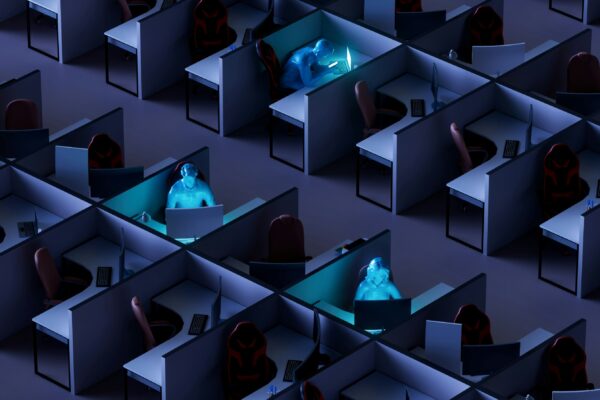
Dimly lit office with isolated workers, clearly overworked

The Invisible Burden: Overwork, Mental Health, and the Systems That Normalize Exhaustion

In today’s hyper-connected world, busy has become a badge of honor. Long hours and overflowing inboxes are worn like medals, often at the expense of our well-being. But beneath the accolades and hustle lies a far deeper issue: the normalization of overwork—not just as an individual challenge, but as a cultural, legal, and media-driven phenomenon…

Read More
Syringes injecting colors into apple

Are Food Dyes Dying Out? Why America Might Finally Be Trading Chemicals for Science

Walk down any American grocery aisle and you are surrounded by color. Neon reds, radioactive blues, fluorescent yellows—foods engineered to look louder than nature ever intended. These colors are not incidental. They are synthetic food dyes, petroleum-derived chemicals designed to make processed food more appealing, more marketable, and more addictive. For decades, they have been…

Read More
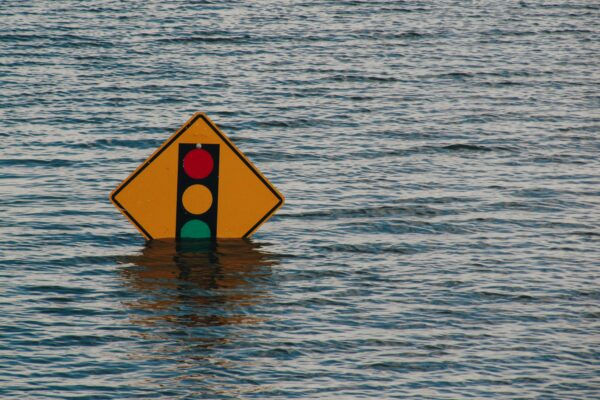
A partially submerged road sign with a traffic light symbol standing in floodwater, representing infrastructure failure and environmental risk

Energy At Home: How Power Production Endangers Houses, Health, and the People Inside Them

Climate change is almost always framed as something external. Rising seas threaten coastlines. Heat waves strain cities. Droughts reshape agriculture. Wildlife migrates or disappears. The impacts are serious, but they are often described as happening out there—to ecosystems, to distant regions, to future generations. What receives far less attention is how the energy system itself—independent…

Read More
A clear glass jar filled with coins topped by a small growing plant, symbolizing wealth accumulation and growth.

Why the Wealthy Must Be Mentally Healthier — and Why It Matters to Us All

Mental illness is not limited to poverty. People experiencing financial insecurity face intense, chronic stress from unmet survival and safety needs — and that has predictable, damaging effects on mental health. But abundance isn’t a cure: the wealthy can be mentally unwell in ways that are less visible but no less consequential.

Read More
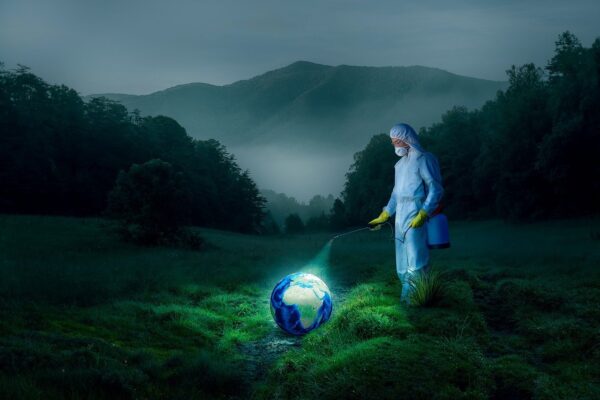
A person wearing a full hazmat suit and yellow gloves stands in a dimly lit forest at night, spraying disinfectant onto a glowing, miniature Earth resting on the ground. The surreal scene highlights themes of human intervention, environmental control, bio-engineering, climate anxiety, and the belief that technology can “fix” the planet.

The Case Against Living Forever

The idea of living forever is one of humanity’s oldest obsessions. From mythology to medicine to Silicon Valley futurism, the possibility of extending life indefinitely appeals to our fear of death and our desire to witness the future. But when we examine immortality beyond the fantasy and look at the ecological, economic, psychological, and ethical consequences, the dream becomes far more complicated.

Read More