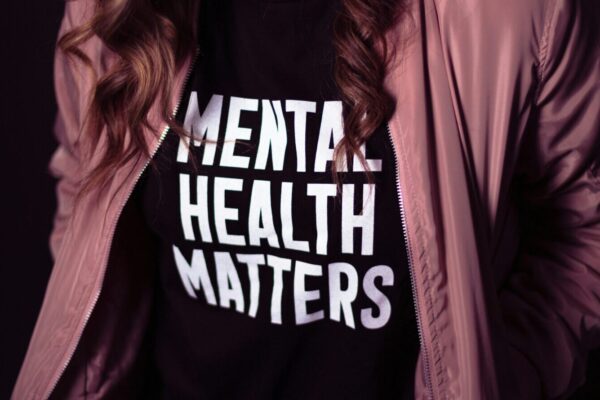
Person wearing shirt promoting mental health but not talking about mental health systems

Mental Health Systems: Why Distress Is Structural, Not Just Personal

Mental health has become one of the defining conversations of modern life. In public discourse, workplaces, schools, and social media, distress is discussed more openly than at any other point in recent history. Anxiety, depression, burnout, trauma, and neurodivergence have entered everyday language, often framed as personal identities and individual struggles. This visibility matters. For…

Read More
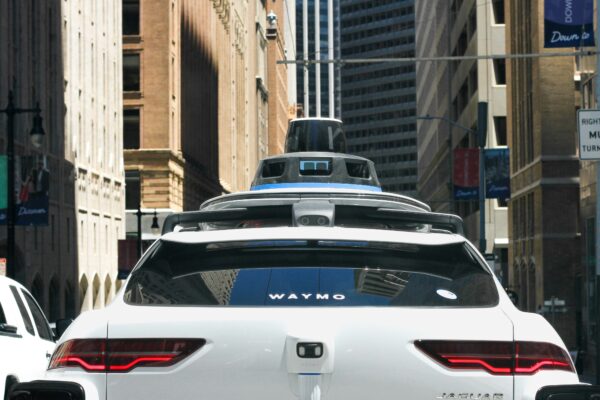
Autonomous vehicles -Self-driving car in urban environment

Autonomous Vehicles and the Cost of Convenience: Innovation at a Crossroads

Autonomous vehicles were once framed as an inevitability — a clean technological arc that would move transportation forward in the same way seatbelts, airbags, and GPS once did. For years, the public conversation leaned heavily toward promises: fewer crashes, cheaper transportation, reduced congestion, and newfound freedom for people unable or unwilling to drive. The assumption…

Read More
Person sitting on a leather couch, head in hand with compassion fatigue

Moral Fatigue in the Age of Advanced Information: Understanding, Surviving, and Responding

Since 2020, the world has experienced an unprecedented cascade of historic events—pandemic, political upheavals, wars, climate disasters, social movements, economic shifts, and rapid technological transformation. These collective experiences have not only shaped global history, they have also exerted extraordinary psychological and emotional pressure on individuals around the world. As news cycles compress and digital platforms flood us with information, many people find themselves exhausted not just physically, but morally and emotionally. This state—commonly described as moral fatigue or compassion fatigue—is increasingly recognized as a widespread response to continuous exposure to global crises.

Read More
Sign indicating availability for hire and indicating that more are open in the job market.

The State of the Job Market in 2025: A Look Back

In 2025, millions of workers experienced instability not because companies were failing, but because corporations were reorganizing around scale, automation, shareholder demands, and mergers. Layoffs were not isolated accidents or cyclical miscalculations. They were part of a larger economic realignment driven by consolidation, monopoly power, and financial engineering.

Read More
Pixelated video game shows a game over screen display, is it over for the video game industry

Why the Video Game Industry Feels Like It’s in Decline

For years, the video game industry was treated as one of the few “unstoppable” sectors of the global economy. Even when other industries slowed, gaming continued to grow. More players, more revenue, more studios, more investment. By the early 2020s, video games were bigger than film and music combined. So why does the industry now…

Read More
Dimly lit office with isolated workers, clearly overworked

The Invisible Burden: Overwork, Mental Health, and the Systems That Normalize Exhaustion

In today’s hyper-connected world, busy has become a badge of honor. Long hours and overflowing inboxes are worn like medals, often at the expense of our well-being. But beneath the accolades and hustle lies a far deeper issue: the normalization of overwork—not just as an individual challenge, but as a cultural, legal, and media-driven phenomenon…

Read More
Syringes injecting colors into apple

Are Food Dyes Dying Out? Why America Might Finally Be Trading Chemicals for Science

Walk down any American grocery aisle and you are surrounded by color. Neon reds, radioactive blues, fluorescent yellows—foods engineered to look louder than nature ever intended. These colors are not incidental. They are synthetic food dyes, petroleum-derived chemicals designed to make processed food more appealing, more marketable, and more addictive. For decades, they have been…

Read More