
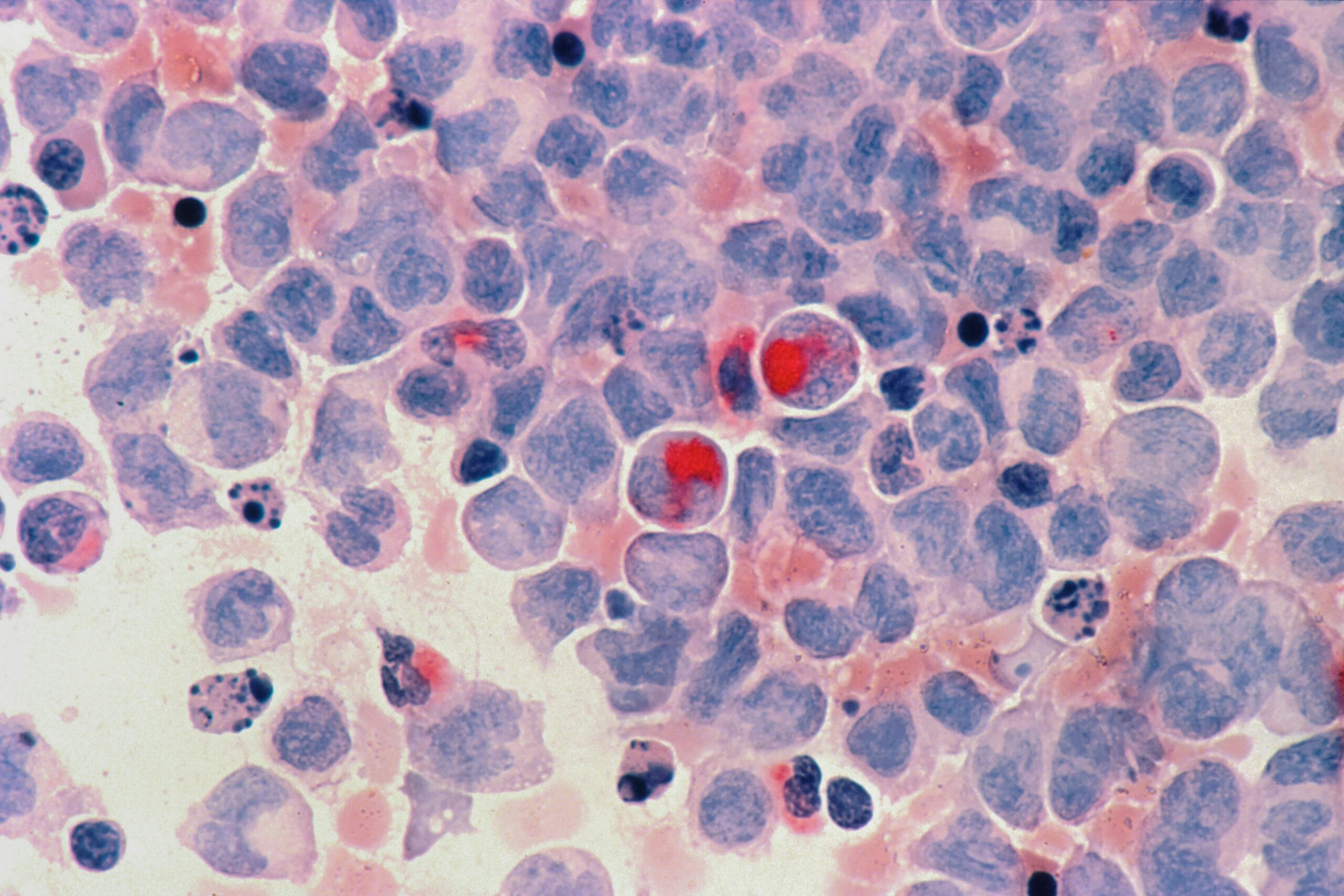
Colon Cancer Is Rising, Especially in Younger Adults
In many high-income countries, colorectal cancer was once considered primarily a disease of aging. That pattern is changing. Rates of early-onset colorectal cancer are rising across the United States, parts of Europe, and other industrialized regions. The trend is significant enough that screening guidelines in the United States were lowered from age 50 to 45 by the American Cancer Society.
A comprehensive analysis published in CA: A Cancer Journal for Clinicians documented increasing incidence among adults under 50 in multiple countries, particularly those that have undergone rapid dietary westernization.
Source: https://acsjournals.onlinelibrary.wiley.com/doi/10.3322/caac.21772
The National Cancer Institute has similarly highlighted the growing concern around early-onset colorectal cancer and the role lifestyle and dietary shifts may play.
Source: https://www.cancer.gov/news-events/cancer-currents-blog/2020/colorectal-cancer-young-adults-increase
Globally, colorectal cancer remains one of the leading causes of cancer death according to the World Health Organization.
Source: https://www.who.int/news-room/fact-sheets/detail/cancer
While multiple factors contribute to colorectal cancer risk, diet consistently appears near the top. And one dietary shift stands out: the dramatic increase in ultra-processed food consumption and the parallel collapse in fiber intake.
This is not merely a story about nutrition. It is a story about industrial design, labor structures, time scarcity, corporate concentration, mental health, and how the modern food system moves wealth upward while externalizing health costs onto individuals and public systems.
Here we examine how a low-fiber, ultra-processed diet intersects with biology, economics, and social structure, and why that intersection matters for colon cancer.
Fiber: The Mechanical and Microbial Engine of Gut Health
Dietary fiber is not glamorous. It does not spike blood sugar or trigger reward centers the way sugar and fat do. But physiologically, fiber performs critical functions.
The Harvard T.H. Chan School of Public Health summarizes fiber’s benefits clearly: fiber increases stool bulk, speeds intestinal transit, feeds beneficial gut bacteria, and reduces inflammation.
Source: https://www.hsph.harvard.edu/nutritionsource/carbohydrates/fiber/
There are two broad types:
- Soluble fiber, which forms gels and supports microbiome fermentation
- Insoluble fiber, often called “roughage,” which increases stool bulk and promotes motility
When fiber intake is adequate, stool moves through the colon more efficiently. Fermentation of fiber by gut bacteria produces short-chain fatty acids such as butyrate, which support colon cell integrity and reduce inflammatory signaling.
The American Institute for Cancer Research notes that higher fiber intake is associated with reduced colorectal cancer risk.
Source: https://www.aicr.org/cancer-prevention/food-facts/fiber/
Yet most adults in industrialized nations consume far below recommended fiber levels. The modern diet, particularly one dominated by ultra-processed foods, is fiber-depleted.
That depletion is not accidental. It is structurally embedded in how we produce, store, ship, and market food.

Ultra-Processed Food: Engineered for Scale, Shelf Life, and Profit
Ultra-processed foods are industrial formulations made primarily from refined ingredients, additives, stabilizers, emulsifiers, and flavor enhancers. They are designed for:
- Long shelf stability
- Ease of transport
- Consistency across markets
- Hyper-palatability
The NOVA classification system, widely used in nutrition research, defines ultra-processed foods as products that are largely or entirely derived from substances extracted from foods or synthesized in laboratories.
A major review in The BMJ found associations between high ultra-processed food consumption and increased risk of cancer overall, including colorectal cancer.
Source: https://www.bmj.com/content/360/bmj.k322
Why are these foods so dominant?
Because they solve logistical problems at scale.
They are cheap to store. They rarely spoil quickly. They tolerate long shipping routes. They can sit in warehouses for months. They reduce risk for retailers because they do not rot in refrigerators or require careful handling.
For consumers, they reduce risk too. A box of snack bars does not go bad in a week. A frozen entrée does not demand planning. A bag of chips does not require cooking skills.
This is not trivial. In a world where households are busy, time-poor, and often managing multiple jobs, ultra-processed food offers frictionless calories.
But frictionless calories come at biological cost.

Time Scarcity and the Labor Structure of Modern Life
The modern labor economy has reorganized time.
Long commutes, dual-income households, gig work, unpredictable schedules, and economic precarity compress domestic time. Cooking from whole ingredients requires planning, procurement, preparation, and cleanup. Ultra-processed food requires none of that.
According to data summarized by the U.S. Bureau of Labor Statistics, Americans spend significantly less time cooking than in previous decades, while food consumed away from home and convenience foods have increased.
Source: https://www.bls.gov/tus/
This shift reflects not moral failure but structural change.
Ultra-processed food is not simply convenient. It is compatible with a high-productivity, high-pressure labor market. It allows workers to remain economically productive without dedicating time to food preparation.
In this sense, ultra-processed food subsidizes labor efficiency. It keeps workers fed quickly and cheaply, even if long-term health deteriorates.
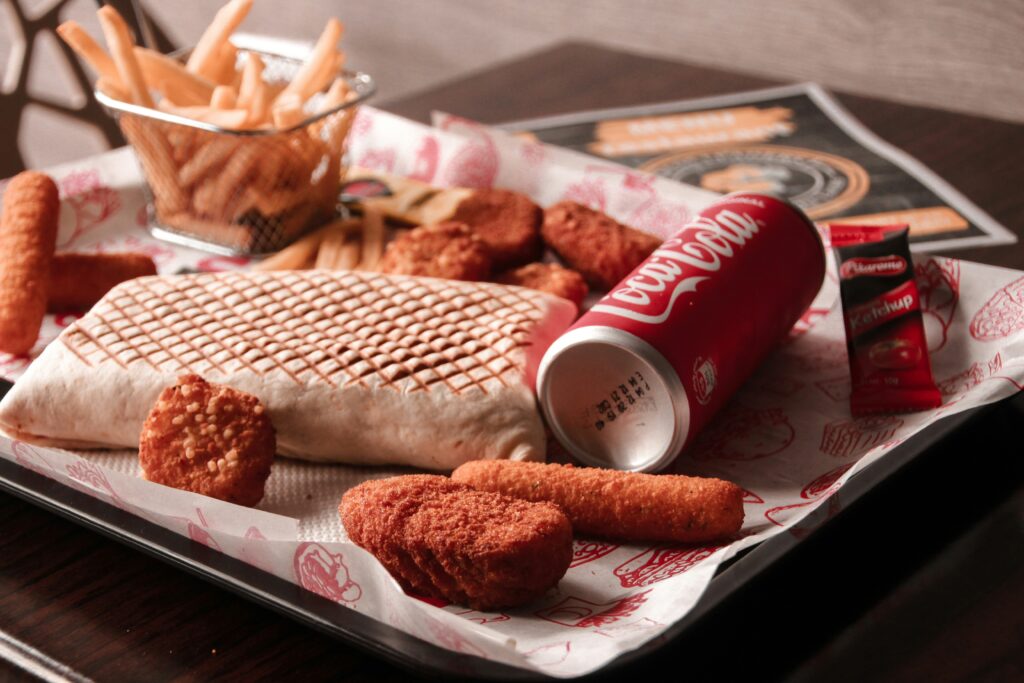
Wealth Flows Upward in the Processed Food Economy
There is also a capital concentration story embedded in this system.
Ultra-processed foods rely on centralized manufacturing, proprietary formulations, intellectual property, marketing budgets, and global distribution networks. The profit margins accrue to large multinational corporations, not local growers or small producers.
The global processed food market is dominated by corporations whose revenues exceed the GDP of many nations. Their scale allows:
- Commodity purchasing power
- Supply chain integration
- Aggressive marketing
- Policy influence
The ease of storing and shipping ultra-processed food reduces waste risk and increases inventory predictability, improving returns to shareholders.
Meanwhile, the healthcare costs associated with diet-related disease, including colorectal cancer, are borne by individuals, insurers, and public systems.
The wealth generated by shelf-stable food moves upward. The biological consequences move downward and inward, into bodies.
Mental Health, Dopamine, and the Pull of Hyper-Palatability
Ultra-processed foods are engineered not only for logistics but for neurochemical impact.
High combinations of sugar, salt, and fat stimulate dopamine release in reward pathways. These foods are designed to override satiety signals and encourage repeated consumption.
Research summarized by the National Institutes of Health indicates that highly palatable foods can activate neural reward circuits similarly to addictive substances in vulnerable individuals.
Source: https://www.ncbi.nlm.nih.gov/pmc/articles/PMC4822165/
When individuals experience chronic stress, anxiety, or depression, quick dopamine and serotonin modulation through food becomes attractive. Ultra-processed snacks are portable mood regulators.
This is especially relevant in a world where mental health burdens are rising. According to the World Health Organization, anxiety and depression increased significantly during recent global crises.
Source: https://www.who.int/news/item/02-03-2022-covid-19-pandemic-triggers-25-increase-in-prevalence-of-anxiety-and-depression-worldwide
In high-stress environments, food becomes both fuel and emotional coping mechanism.
But repeated reliance on ultra-processed food often displaces fiber-rich whole foods. The microbiome shifts. Inflammation increases. Gut motility slows.
And the colon experiences prolonged exposure to metabolic byproducts.
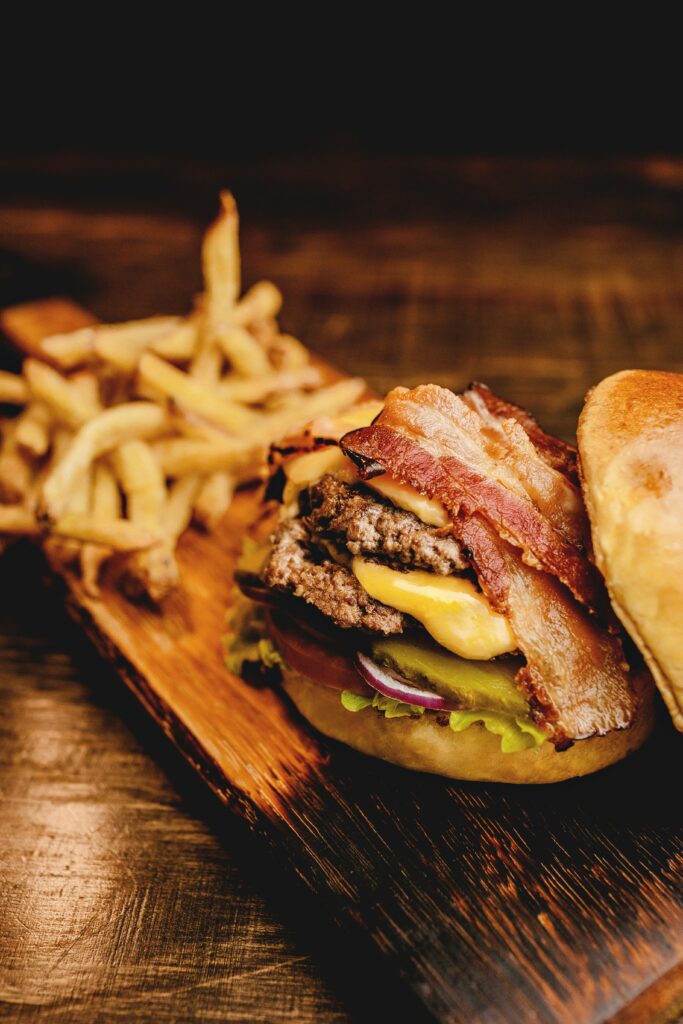
Low Fiber and Slower Transit: What Happens in the Colon
The colon’s job is to extract water and move waste. Fiber increases stool bulk and stimulates peristalsis. Without adequate fiber:
- Stool volume decreases
- Transit time slows
- Constipation increases
- Microbial diversity may decline
Slower transit means that waste products remain in contact with the intestinal lining longer.
The Cleveland Clinic notes that chronic constipation and low-fiber diets are associated with multiple gastrointestinal issues, including diverticular disease and increased colorectal cancer risk.
Source: https://my.clevelandclinic.org/health/articles/14508-fiber
Additionally, fermentation of fiber into short-chain fatty acids supports epithelial cell repair and anti-inflammatory signaling. Reduced fiber intake means reduced production of these protective metabolites.
Over time, chronic low fiber may weaken muscular tone in the colon due to reduced mechanical stimulation. While research continues, decreased motility and long-term constipation can alter structural integrity and nerve responsiveness.
In other words, the system becomes less efficient at clearing itself.
Chemical Burden and Reabsorption Concerns
Ultra-processed foods may contain additives, preservatives, packaging-derived contaminants, and trace heavy metals depending on sourcing and regulation. While regulatory bodies set limits for safety, cumulative exposure is an area of active research.
The U.S. Food and Drug Administration monitors contaminants such as lead and mercury in food products.
Source: https://www.fda.gov/food/metals-and-your-food
When bowel transit slows, there is more time for certain compounds in bile and waste to interact with the intestinal lining. Some metabolic byproducts undergo enterohepatic recirculation, meaning they can be reabsorbed and processed again by the liver.
While the colon is designed to manage waste safely, prolonged exposure combined with inflammatory environments may increase vulnerability to cellular mutation.
Importantly, even without heavy metal concerns, normal metabolic waste sitting in the colon for extended periods can alter the local environment. Protein fermentation in low-fiber diets can generate potentially harmful compounds such as ammonia and certain phenols.
Fiber dilutes and speeds removal. Without it, concentration and contact time increase.
The Globalization of Low-Fiber Diets
As countries urbanize and integrate into global trade networks, dietary patterns shift toward refined grains, processed meats, sugary beverages, and packaged snacks.
The Food and Agriculture Organization of the United Nations documents how dietary transitions often accompany economic development, with increased consumption of processed foods and reduced intake of traditional high-fiber staples.
Source: https://www.fao.org/3/i2490e/i2490e.pdf
This transition correlates with rising rates of obesity, metabolic syndrome, and colorectal cancer in regions that previously had lower incidence.
The pattern is not random. It follows supply chains.
Ultra-processed foods travel easily across borders. Fresh produce and high-fiber whole foods are more perishable, more labor-intensive, and more sensitive to infrastructure limitations.
Thus, the global food system exports shelf stability more efficiently than it exports dietary fiber.
The Economic Illusion of Cheap Food
Ultra-processed foods appear inexpensive at point of purchase. They are often calorie-dense and cost-effective per unit of energy.
But this accounting excludes downstream costs:
- Cancer treatment
- Lost productivity
- Caregiving burdens
- Public insurance expenditures
The Centers for Disease Control and Prevention estimates that colorectal cancer treatment costs billions annually in the United States alone.
Source: https://www.cdc.gov/cancer/colorectal/statistics/index.htm
When fiber-poor diets increase disease risk, the healthcare system absorbs the expense.
The market price of ultra-processed food does not reflect its full societal cost.

A Weakened System and the Difficulty of Reversal
One under-discussed consequence of chronic low-fiber intake is adaptation.
If the colon operates for years with reduced bulk and stimulation, reintroducing high fiber suddenly can cause discomfort, bloating, and altered bowel habits. This can discourage individuals from sustaining dietary changes.
Gradual increases in fiber are typically recommended to allow microbial populations and motility patterns to adjust.
This dynamic creates a feedback loop:
Low fiber leads to discomfort when fiber is reintroduced, which leads to abandonment of fiber-rich diets, which reinforces low intake.
Breaking this loop requires patience and structural support.
Why This Matters Beyond Individual Choice
It is easy to frame colon cancer risk as personal responsibility. Eat better. Move more. Cook at home.
But structural incentives matter.
- Food manufacturing prioritizes scale and profit
- Labor systems compress time
- Mental health stress increases demand for fast reward
- Marketing budgets dwarf public health messaging
The rise of colorectal cancer in younger adults reflects not just biology, but system design.
A fiber-rich diet requires access, time, knowledge, and often higher immediate effort. Ultra-processed food requires none of these.
Until the food system structurally rewards fiber density and whole-food accessibility as much as it rewards shelf stability and palatability engineering, trends may continue.
What Can Be Done
Evidence consistently supports:
- Increasing intake of vegetables, legumes, whole grains, and fruits
- Reducing processed meat consumption
- Limiting ultra-processed food intake
The American Cancer Society provides dietary guidelines aligned with cancer prevention.
Source: https://www.cancer.org/healthy/eat-healthy-get-active/eat-healthy.html
On a policy level, possibilities include:
- Incentivizing fresh food distribution
- Adjusting agricultural subsidies
- Regulating marketing to children
- Supporting time flexibility in labor policy
Colon cancer is not solely a medical issue. It is an economic and social one.
A Colon That Reflects Its Environment
The colon is a muscular, microbial, metabolically active organ shaped by what passes through it.
In a world optimized for storage, shipping, and upward wealth concentration, what passes through it has changed.
Less fiber. More additives. More refined starch. More sugar. More time pressure.
When waste lingers longer, when microbial balance shifts, when protective fermentation declines, risk accumulates quietly.
The rise in colorectal cancer among younger populations should be understood not as a mystery but as a signal.
A signal that the modern food system, while efficient at generating profit and convenience, may be inefficient at sustaining long-term biological resilience.
Rebalancing fiber intake is not nostalgic romanticism. It is mechanical, microbial, and metabolic maintenance.
And in a global economy increasingly organized around speed, durability, and financial return, the slow work of digestion may be one of the clearest places where systemic incentives and human health collide.
To explore how this issue connects across systems, visit the different sections of Interconnected Earth:
World Events (https://interconnectedearth.com/category/world-events/)
Mental Health (https://interconnectedearth.com/category/mental-health/)
Climate Change (https://interconnectedearth.com/category/climate-change/)
Technology (https://interconnectedearth.com/category/technology/)
Arts and Entertainment (https://interconnectedearth.com/category/arts-and-entertainment/)
Philosophy (https://interconnectedearth.com/category/philosophy/)