

Across the last 100 years, the evolution of storytelling through screens has fundamentally reshaped not only how stories are told, but how economies, labor systems, and cultural influence operate. At the center of this transformation is one critical concept: the film and TV budget. What began as relatively modest investments in early cinema has grown into a global system where the spend can reach hundreds of millions of dollars for a single production.
This shift is not accidental. The modern budget reflects a convergence of technological advancement, labor organization, global distribution, and human psychological demand for immersive storytelling. To understand why the film and TV budget has expanded so dramatically, we need to explore how the industry evolved structurally, economically, and culturally.
Early Cinema and the Foundations of the Film and TV Budget
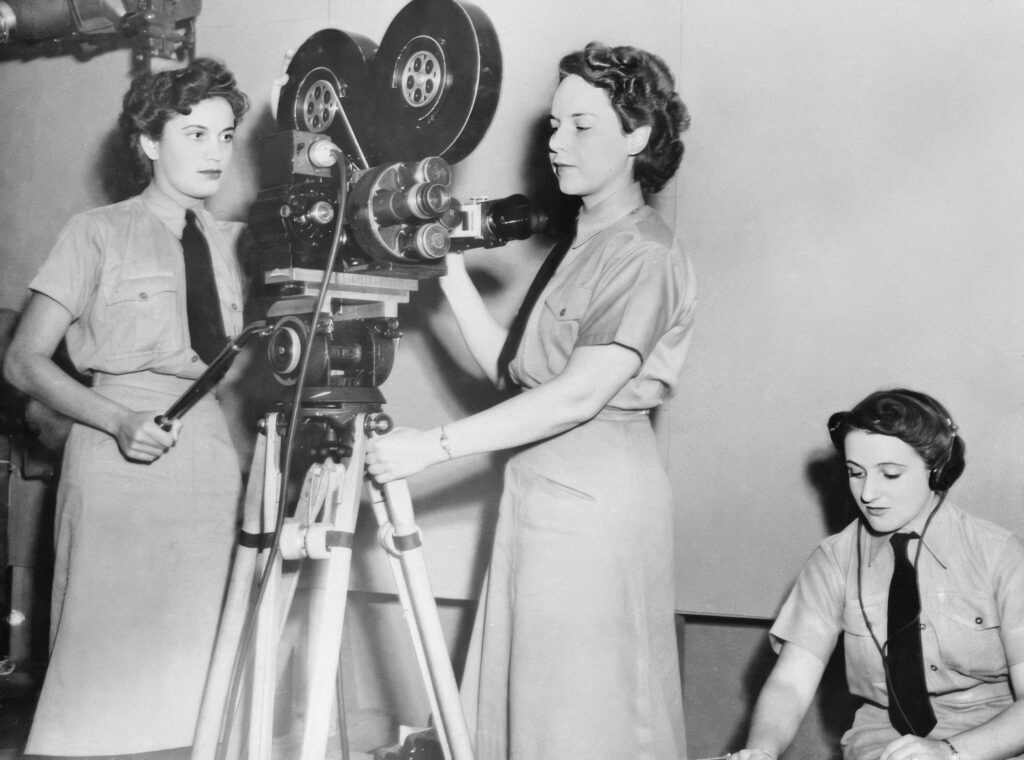
In the early 20th century, the film and TV budget was constrained by both technology and scale. Silent films and early talkies were produced with limited equipment, smaller crews, and localized distribution. Studios operated with efficiency in mind, often reusing sets, props, and even scripts.
Budgets during this era were relatively modest. Even large productions were controlled carefully because the industry had not yet proven its long-term profitability. The film and TV budget at this stage reflected a manufacturing mindset: predictable, repeatable, and tightly managed.
However, even in these early stages, the seeds of expansion were present. As audiences grew and cinema became a shared cultural experience, the incentive to increase the film and TV budget in order to create more compelling spectacles began to emerge.
The Studio System and Controlled Expansion
During the Golden Age of Hollywood, the film and TV budget began to stabilize within a vertically integrated system. Studios controlled production, distribution, and exhibition, which allowed them to manage risk while gradually increasing spending.
Actors were under contract, crews were consistent, and workflows were optimized. This allowed studios to scale the film and TV budget without introducing excessive volatility. Importantly, the increase in the film and TV budget was tied directly to visible improvements in production value, including better sets, costumes, and cinematography.
This era established a key principle that still defines the industry today: the film and TV budget is not just a cost, it is a signal of value.

The Blockbuster Shift and the Explosion of the Film and TV Budget
The transition into the blockbuster era fundamentally changed the structure of the film and TV budget. Instead of producing many mid-sized films, studios began concentrating resources into fewer, larger productions.
This shift was driven by global distribution opportunities and the realization that a single successful film could generate outsized returns. As a result, the film and TV budget began to increase rapidly.
According to industry data, film budgets grew from a few million dollars in the 1970s to tens of millions by the 1990s, eventually reaching hundreds of millions in the modern era. Source: https://www.tasteray.com/articles/movie-budgets
Today, the film and TV budget for blockbuster productions often exceeds $200 million, with marketing costs adding significantly more. Source: https://gitnux.org/supply-chain-in-the-movie-industry-statistics/
This escalation reflects a strategic decision: invest heavily to dominate attention in a crowded global market.
Television’s Transformation and the Modern Film and TV Budget
For decades, television operated under a different economic model. The film and TV budget for episodic content was lower, schedules were tighter, and storytelling was designed for continuity rather than spectacle.
This distinction has largely disappeared.
Streaming platforms have redefined expectations, pushing the film and TV budget for television to unprecedented levels. High-end series now rival films in both cost and production quality.
The average TV episode costs several million dollars, while premium productions can cost far more. Source: https://zipdo.co/film-and-tv-industry-statistics/
Streaming services have amplified this trend. In 2023, global spending on content reached tens of billions annually as platforms competed for subscribers. Source: https://zipdo.co/film-and-tv-industry-statistics/
The modern film and TV budget is no longer divided between mediums. It is unified by competition for attention.

Where the Film and TV Budget Goes
Understanding the size of the spend requires breaking down its components. Contrary to popular belief, the majority of the film and TV budget is not spent on spectacle alone.
Labor dominates the film and TV budget.
A single production employs hundreds or thousands of individuals across multiple departments. These include actors, directors, writers, cinematographers, editors, designers, and countless technical specialists.
Even support functions like catering, transportation, and logistics scale with the production. On large productions, these costs can reach millions. Source: https://gitnux.org/supply-chain-in-the-movie-industry-statistics/
Visual effects and post-production are major drivers of the film and TV budget.
Modern storytelling relies heavily on digital effects. In some cases, visual effects account for up to 40 percent of the film and TV budget. Source: https://gitnux.org/supply-chain-in-the-movie-industry-statistics/
Post-production has also expanded significantly, often representing a substantial portion of the budget. Source: https://zipdo.co/filmmaking-industry-statistics/
Props, sets, and materials remain essential.
Even in a digital era, physical production elements require significant investment. Large productions can spend millions on props and set construction alone. Source: https://gitnux.org/supply-chain-in-the-movie-industry-statistics/
The spending is therefore a reflection of scale across every department, not just what appears on screen.
Labor, Unions, and the Structure of the Film and TV Budget
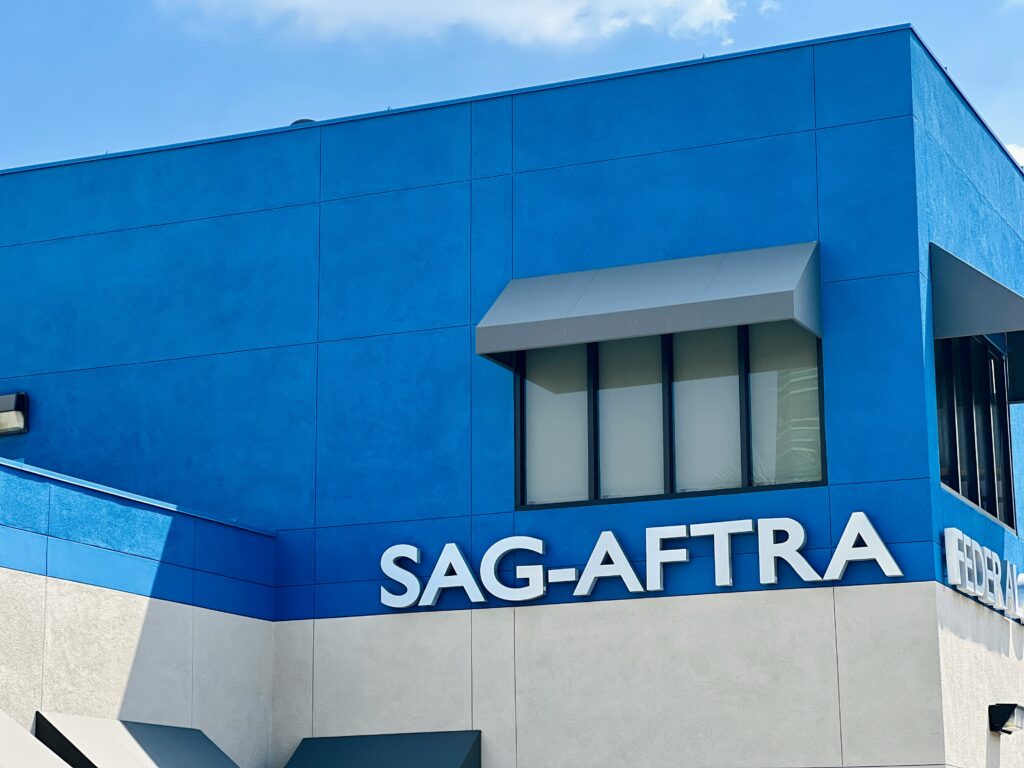
As the film and TV budget has grown, so has the importance of labor protections. The entertainment industry relies heavily on freelance and contract-based work, which introduces instability without safeguards.
Organizations like SAG-AFTRA play a critical role in shaping the film and TV budget by establishing minimum pay standards, regulating working conditions, and ensuring residual payments.
These protections are essential. Without them, the expansion of the film and TV budget could lead to increased exploitation rather than shared prosperity.
Labor negotiations also highlight a fundamental tension within the production budget: how resources are distributed between capital and workers. As budgets grow, so does the importance of ensuring fair allocation.
Power, Networks, and Control Over the Film and TV Budget
The production budget is deeply tied to control over distribution networks. Historically, studios controlled theaters. Television networks later controlled broadcast channels. Today, streaming platforms dominate digital distribution.
This evolution has concentrated power in fewer entities, allowing them to influence how the film and TV budget is allocated.
Streaming platforms now act as both producers and distributors, giving them unprecedented control over content creation. This affects not only how much is spent, but what kinds of stories are told.
The film and TV budget is therefore not just an economic measure. It is a reflection of power and control within global media systems.
Technology and the Expanding Film and TV Budget
Technology has both increased and decreased the film and TV budget in different ways.
On one hand, digital tools have lowered barriers to entry. Independent creators can produce content with relatively small budgets. Source: https://en.wikipedia.org/wiki/Microfilmmaking
On the other hand, high-end productions now rely on advanced technologies that significantly increase the film and TV budget. These include:
- CGI and rendering systems
- Virtual production environments
- High-resolution cameras
- Data infrastructure
As technology improves, audience expectations rise. This creates a feedback loop where the budget continues to expand in order to meet those expectations.
Profitability and the Economics of the Film and TV Budget
Despite its high costs, the entertainment industry remains highly profitable. This is due to the scalability of content distribution.
Once produced, a film or series can be distributed globally with relatively low additional cost. This allows successful projects to generate massive returns.
In 2023, global box office revenue reached tens of billions of dollars, while streaming generated hundreds of billions. Source: https://zipdo.co/film-and-tv-industry-statistics/
These budgets operate within a high-risk, high-reward system. Large investments are justified by the potential for outsized returns.
Human Psychology and the Demand Behind the Film and TV Budget
The expansion of the film and tv spending is ultimately driven by human behavior. People seek stories for emotional processing, identity formation, and shared cultural experiences.
As global connectivity increases, so does the scale of shared storytelling. This amplifies demand and justifies higher spending.
Viewers now consume hours of content daily, making film and television one of the primary ways people engage with the world. Source: https://zipdo.co/film-tv-industry-statistics/
The budgets reflects this demand. It is an investment in capturing attention and shaping perception.
Social Media and the Disruption of the Film and TV Budget

Social media has transformed how the media budget is utilized and justified.
Content can now reach global audiences instantly, and viral moments can dramatically increase visibility. At the same time, attention is fragmented across platforms, creating new challenges.
The film and TV budget must now account for:
- Digital marketing strategies
- Real-time audience engagement
- Platform-specific content distribution
Social media has also democratized content creation, allowing individuals to compete with traditional studios for attention. This introduces new pressure on the budget to remain competitive.
The Disappearance of the Middle and the Polarization of the Film and TV Budget
One of the most significant changes in the industry is the disappearance of mid-budget productions.
The budget is increasingly polarized between:
- Low-budget independent projects
- High-budget blockbusters and premium series
This reflects broader economic trends, including capital concentration and risk management. Studios prioritize large-scale projects that can generate global returns.
The result is a landscape where the film and TV budget is either minimal or massive, with fewer projects occupying the middle ground.
Conclusion: The Film and TV Budget as a Reflection of Modern Systems
The evolution of media budget over the last century reveals more than just rising costs. It reflects the convergence of technology, labor, economics, and culture.
The film and TV budget is shaped by:
- Global markets and scalable distribution
- Labor systems and union protections
- Technological advancement and rising expectations
- Human psychological demand for storytelling
- Power structures within media networks
Entertainment is both expensive and profitable because it operates at the center of these interconnected systems.
As storytelling continues to evolve, the film and TV budget will likely continue to expand, adapting to new technologies, new platforms, and new forms of human engagement.
The cost is not simply financial. It represents the investment required to create shared experiences at a global scale.
Explore more from Interconnected Earth:
World Events: https://interconnectedearth.com/category/world-events/
Mental Health: https://interconnectedearth.com/category/mental-health/
Technology: https://interconnectedearth.com/category/technology/
Arts and Entertainment: https://interconnectedearth.com/category/arts-and-entertainment/
Philosophy: https://interconnectedearth.com/category/philosophy/