
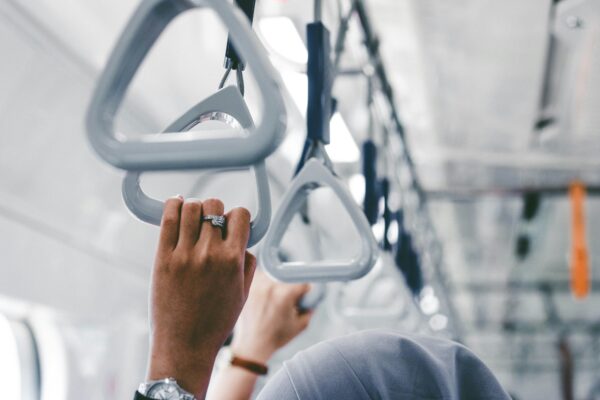
How Many Lives Could Be Saved by Replacing Cars with Public Transportation? The Data Behind Safer, Healthier Cities
Here we examine a fundamental question with far-reaching implications: If societies shifted away from car dependency?
Here we examine a fundamental question with far-reaching implications: If societies shifted away from car dependency?

In a media landscape where misinformation often spreads faster than truth, the idea of a satirical publication stepping into the shell of one of the most infamous conspiracy platforms in modern history feels almost surreal. Yet that is exactly what is unfolding with The Onion and its plan to license the Infowars brand and infrastructure. While headlines may frame this as a bizarre twist or a cultural punchline, the deeper implications run far beyond humor.

In recent weeks, a pattern has emerged that many are calling alarming, but for others, it feels inevitable.
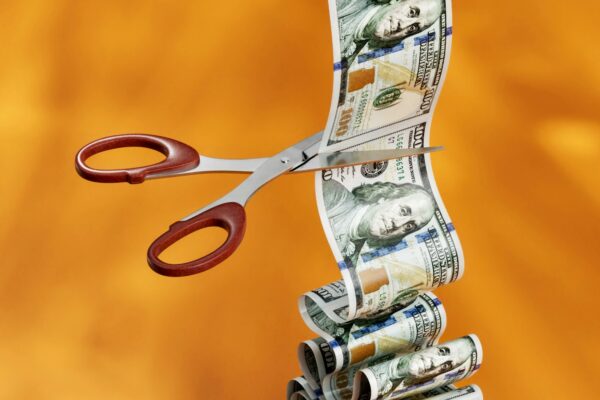
Passed in 2017, the TCJA was framed as a broad economic stimulus. Corporate taxes fell, certain deductions expanded, and investment incentives multiplied. But in practice, the law did something more specific and more consequential than many expected.
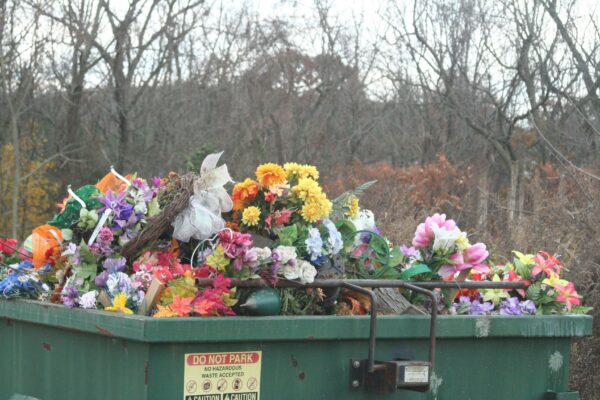
Dumpster diving has always existed. It has always been part of the system, not outside of it. A behavior that emerges naturally when usable goods are discarded and people are aware of it.

“There is no ethical consumption under capitalism.” It is a phrase that has become almost unavoidable in modern discourse, rooted in critiques from fields like Marxist economics and broader discussions about global systems of power, labor, and capital. At its core, the statement points to a difficult truth: most goods and services we rely on…

There is a common instinct to treat life as fragmented. Work is separate from mental health. Technology is separate from nature. Personal struggles are isolated from global events. Wealth is disconnected from labor. History is something that happened “back then,” rather than something still unfolding through us. We started Interconnected Earth to challenge that instinct….
Critical thinking is not just a philosophical concern. It is measurable, visible in workforce trends, and increasingly tied to inequality, technology use, and cultural production.
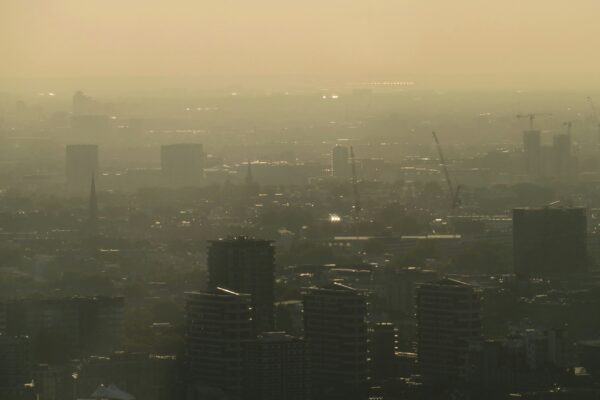
To understand why air quality feels like it is worsening, even after decades of improvement, we need to examine the full system that produces it now.

Stress, burnout, and fatigue are rising to unprecedented levels in 2026, with search data showing record highs for terms like “feel overwhelmed,” “burnout at work,” and “cortisol.” This piece examines how economic pressure, AI-driven workloads, fragmented time, and post-pandemic instability are driving chronic stress at a systemic level. Here we explore why this surge is happening and what it reveals about modern life.