

Water scarcity is no longer a distant environmental warning. It is becoming a defining economic, political, technological, and humanitarian issue of the 21st century. Across the world, rivers are shrinking, aquifers are being depleted faster than they can recharge, glaciers are retreating, and climate instability is disrupting rainfall patterns that civilizations have depended on for centuries.
At the same time, global demand for water continues to explode. Population growth, industrial agriculture, artificial intelligence infrastructure, manufacturing, energy production, and corporate resource extraction are all competing for the same finite supply of freshwater.
The future of water scarcity is not just about droughts. It is about power. It is about who gets access to clean water, who profits from it, who loses access first, and how wealth inequality increasingly determines survival.
The coming decades may redefine water from a public necessity into one of the most contested strategic resources on Earth.
Water Was Never Infinite
Only around 3% of the world’s water is freshwater, and much of that is trapped in glaciers or otherwise inaccessible. According to the United Nations, billions of people already experience water stress for at least part of the year. Climate change is accelerating the problem by intensifying droughts, altering weather systems, and increasing evaporation rates globally.
Water systems were built around assumptions of climate stability. Those assumptions are breaking down.
Regions like the American Southwest, parts of India, northern China, the Middle East, and sections of Africa are already experiencing severe groundwater depletion. Aquifers that took thousands of years to fill are being drained within decades.
At the same time, floods and extreme storms are paradoxically increasing in many areas. This highlights an important reality: water scarcity is not only about the amount of water on Earth. It is about access, infrastructure, distribution, pollution, and management.
A region can experience catastrophic flooding and still face long-term freshwater shortages.
Sources:
https://www.unwater.org/water-facts/water-scarcity
https://www.unesco.org/reports/wwdr/en/2024-water-for-prosperity-and-peace
Climate Change Is Reshaping the Global Water Cycle
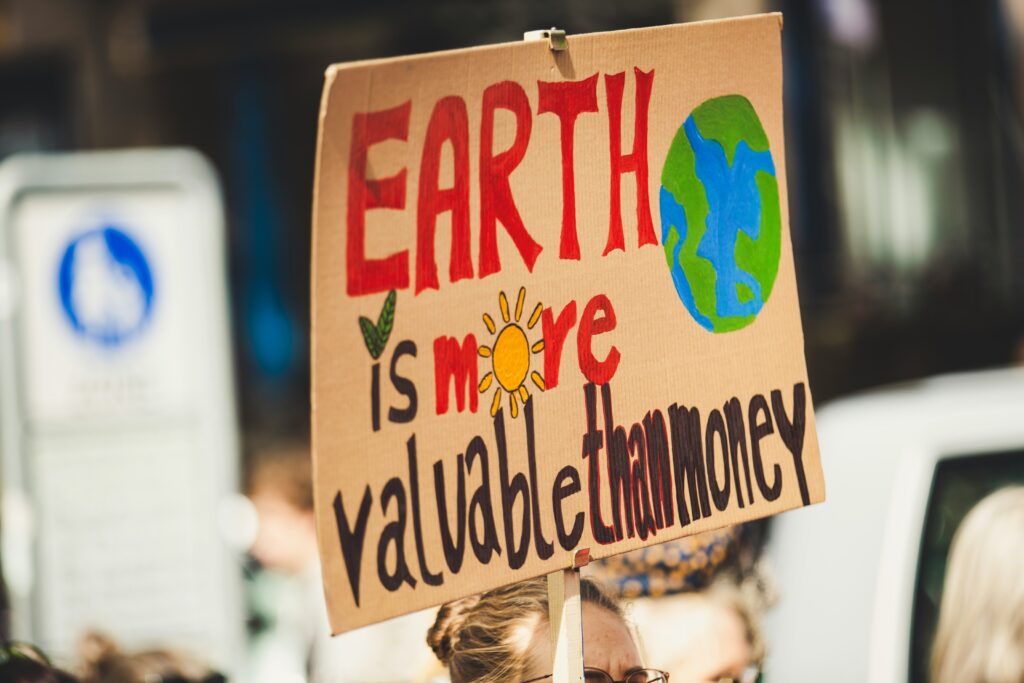
Rising temperatures intensify evaporation from soil, lakes, and reservoirs. Snowpacks melt earlier. Glaciers shrink. Rainfall patterns become more erratic. Some regions receive heavier bursts of rain that infrastructure cannot capture efficiently, while others endure prolonged drought.
The Colorado River system in the United States has become one of the clearest examples. Decades of overuse combined with climate-driven reductions in snowpack have pushed reservoirs like Lake Mead and Lake Powell toward historic lows.
Globally, climate migration tied to water stress is expected to rise significantly over the next several decades. Entire agricultural regions may become economically unstable.
Water insecurity also feeds geopolitical instability. Nations that share river systems, such as those dependent on the Nile, Indus, or Mekong rivers, increasingly face tensions over access and control.
Sources:
https://www.ipcc.ch/report/ar6/wg2/
https://www.nasa.gov/earth/climate-change/climate-change-and-water-resources/
Agriculture Remains the Largest Consumer of Water
Agriculture accounts for roughly 70% of global freshwater withdrawals. Industrial farming systems require enormous quantities of water to maintain high-yield crop production, livestock operations, and export economies.
Some crops are especially water intensive. Almonds, avocados, cotton, alfalfa, and pomegranates can require substantial irrigation in already drought-prone regions.
One company frequently discussed in debates around agricultural water usage is POM Wonderful. The company’s pomegranate orchards are heavily concentrated in California’s Central Valley, one of the most water-stressed agricultural regions in the United States. California agriculture overall consumes massive quantities of groundwater and diverted river water to maintain year-round production.
Critics argue that luxury or export-focused crops grown in drought-prone regions represent a broader structural issue: water is often allocated according to profitability rather than sustainability or community necessity.
California’s agricultural system itself is deeply intertwined with wealth and land ownership concentration. Large agribusinesses frequently possess more legal and political leverage than smaller farms or local communities.
Sources:
https://www.ppic.org/publication/water-use-in-california/
https://www.nationalgeographic.com/environment/article/partner-content-americas-looming-water-crisis
Nestlé and the Privatization of Water
Few corporations have become more associated with public anger over water extraction than Nestlé.
For years, Nestlé faced criticism over groundwater extraction practices in areas experiencing water stress. One of the most controversial examples occurred in Michigan, where the company pumped groundwater for bottled water production while local residents and environmental advocates raised concerns about ecological damage and resource depletion.
Nestlé also faced criticism in California during severe drought periods for continuing bottled water operations while residents were being urged to conserve water.
The broader criticism surrounding Nestlé goes beyond any single facility. Opponents argue that corporations should not be able to extract public groundwater at relatively low costs, package it, and sell it back for profit while communities face shortages or rising water prices.
Former Nestlé chairman Peter Brabeck-Letmathe drew international backlash years ago after comments that were widely interpreted as advocating for water privatization, though he later clarified his views. Still, the controversy became symbolic of growing fears that water may increasingly become commodified in the future.
The bottled water industry itself reflects inequality dynamics. In many places, communities distrust tap water due to contamination, aging infrastructure, or government failures. Those with financial resources can buy alternatives. Those without often cannot.
Sources:
https://www.theguardian.com/us-news/2018/oct/23/nestle-michigan-water-flint
https://www.nytimes.com/2021/04/23/business/nestle-water-california.html
https://www.foodandwaterwatch.org/2021/04/26/nestles-water-grab-in-california/
Data Centers and Artificial Intelligence Are Becoming Major Water Consumers
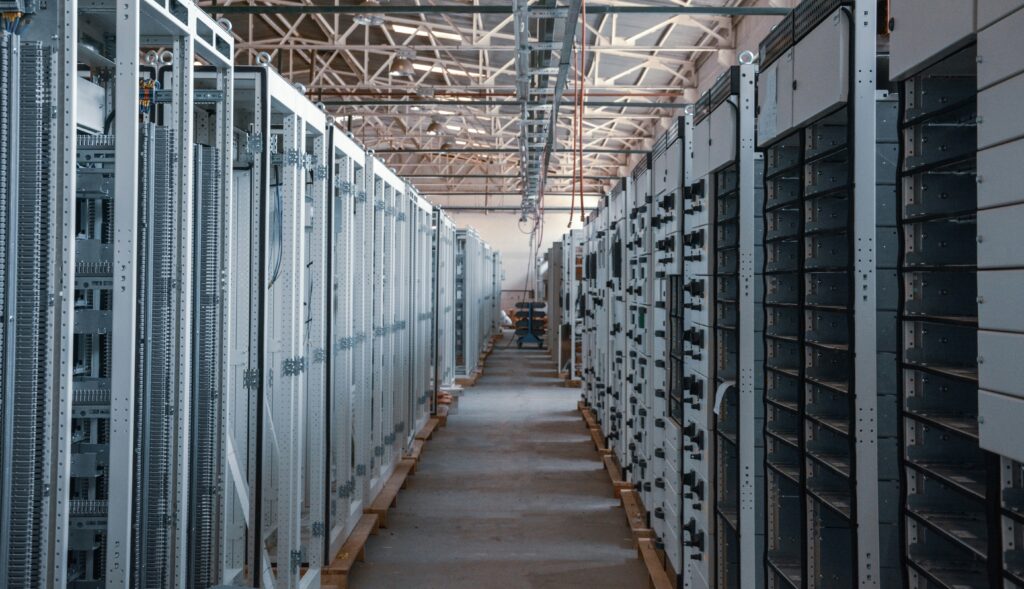
One of the fastest-growing dimensions of water usage is digital infrastructure.
Modern data centers require enormous amounts of cooling. As artificial intelligence systems expand, demand for high-density computing facilities is accelerating worldwide. Many of these facilities use water-intensive cooling systems.
Research has shown that data centers consume water both directly through cooling and indirectly through electricity generation. Some facilities use millions of gallons of water per day.
The expansion of AI infrastructure is rapidly increasing concern among researchers and environmental analysts. Studies have found that many data centers are located in water-stressed regions, including parts of the American Southwest.
Google reported consuming billions of gallons of water annually across its operations, much of it tied to data center cooling. Microsoft, Amazon, and other technology companies are also expanding aggressively in regions already dealing with drought and water stress.
This introduces a difficult societal question: should AI expansion take priority over local water resilience?
Communities are increasingly confronting trade-offs between economic development, tax incentives, technological investment, and resource sustainability.
Critics also point to transparency issues. Some local governments and utilities have resisted releasing detailed water consumption figures for data centers.
As AI demand continues growing, water could become one of the hidden environmental costs of the digital economy.
Wealth Determines Resilience

Water scarcity does not impact everyone equally.
Affluent communities can often absorb rising water costs, purchase filtration systems, build resilient infrastructure, or relocate if necessary. Wealthy nations can invest in desalination plants, advanced irrigation systems, recycling technology, and water imports.
Poorer communities frequently face contamination, aging infrastructure, rationing, or outright shortages first.
This inequality is already visible globally and domestically.
In many developing nations, women and children spend hours each day collecting water. In wealthier regions, water-intensive luxury industries continue operating largely uninterrupted.
In the United States, crises like Flint, Michigan exposed how infrastructure neglect and political decisions disproportionately affect working-class populations.
Water inequality also intersects with labor. Agricultural laborers often work in extreme heat conditions intensified by climate change while supporting water-intensive food systems that primarily benefit larger corporations and export markets.
As scarcity worsens, water pricing may become even more stratified. Access to reliable clean water may increasingly correlate with class and geography.
Sources:
https://www.unicef.org/wash/water-scarcity
https://www.epa.gov/flint
Groundwater Depletion Is Becoming a Global Emergency
Many societies rely heavily on groundwater because it acts as a hidden reserve during droughts. But aquifers are being depleted at unsustainable rates.
India, China, Iran, the United States, and many other nations are extracting groundwater far faster than natural recharge rates.
Some aquifers may require centuries or millennia to recover.
Groundwater depletion creates cascading effects:
- Land subsidence
- Reduced agricultural productivity
- Saltwater intrusion
- Ecosystem collapse
- Increased wildfire risk
- Higher food prices
- Rural economic decline
Satellite monitoring by NASA’s GRACE missions has revealed alarming rates of groundwater loss globally.
Once an aquifer collapses structurally, some storage capacity may never fully recover.
Sources:
https://grace.jpl.nasa.gov/resources/17/groundwater-depletion/
https://www.nature.com/articles/s41467-019-08540-5
Water Markets and Financialization
Water is increasingly entering financial systems in new ways.
Water futures trading began in U.S. markets in 2020, reflecting growing concerns over scarcity and pricing volatility. Supporters argue these markets help farmers hedge risk. Critics fear they accelerate commodification.
Private equity firms and institutional investors have also increased investments in water infrastructure, water rights, desalination technology, and bottled water companies.
The concern among critics is simple: when water becomes heavily financialized, profit incentives may conflict with equitable public access.
This raises ethical questions:
- Should water be treated primarily as a human right or an economic commodity?
- Who controls pricing?
- Who owns groundwater?
- Who receives priority during shortages?
These questions will likely become more politically volatile over the coming decades.
Sources:
https://www.cmegroup.com/markets/agriculture/water/nq-h2o-california-water-index.html
https://www.weforum.org/stories/2024/03/global-water-crisis-explained/
Technology May Help, But It Will Not Solve Everything
There are technological pathways that could reduce pressure on water systems:
- Desalination
- Wastewater recycling
- Precision irrigation
- Atmospheric water harvesting
- AI-assisted water management
- Drought-resistant crops
- Closed-loop industrial cooling systems
Some newer data center cooling systems aim to reduce freshwater dependence through liquid immersion cooling or recycled water usage.
However, technology alone cannot overcome structural inequality, political corruption, poor governance, or unsustainable consumption models.
Desalination, for example, is energy intensive and expensive. Wealthier nations may deploy it widely, while poorer regions struggle to afford implementation.
The future of water scarcity will not be determined only by engineering. It will also be shaped by policy, economics, corporate accountability, and public pressure.
The Future May Force a Cultural Shift
Modern societies often behave as though water is endlessly available. That assumption is beginning to fracture.
Future generations may look back on today’s consumption habits the same way many people now view historical environmental excesses.
Lawn aesthetics in deserts, industrial-scale groundwater extraction, disposable bottled water culture, ultra-water-intensive agriculture, and massive AI infrastructure expansion may increasingly come under scrutiny.
The deeper issue is that water scarcity exposes broader systemic tensions:
- Economic inequality
- Corporate influence
- Climate instability
- Infrastructure neglect
- Population growth
- Consumption culture
- Political power
Water is not just an environmental issue. It is a systems issue.
And unlike many resources, there is no substitute for it.
The future of water scarcity may ultimately force societies to confront uncomfortable questions about priorities, ownership, sustainability, and survival itself.
Sources:
https://www.unwater.org/publications/world-water-development-report-2025
https://www.worldbank.org/en/topic/waterresourcesmanagement
https://www.weforum.org/agenda/2025/01/water-security-global-risk/
Categories: Climate Change, Technology, World Events, Philosophy
https://interconnectedearth.com/category/climate-change/
https://interconnectedearth.com/category/technology/
https://interconnectedearth.com/category/world-events/
https://interconnectedearth.com/category/philosophy/