

There is a growing feeling across modern society that people are becoming interchangeable. Employees feel replaceable at work. Creators feel replaceable online. Friends feel replaceable in social circles shaped by algorithms and constant digital access. Even romantic relationships increasingly feel disposable in systems built around endless options and infinite scrolling.
Many people struggle to describe this feeling clearly, but they experience it daily. They notice how quickly companies lay people off after years of loyalty. They see social media trends cycle through personalities at incredible speed. They watch automation absorb more human tasks while digital platforms train users to move on instantly from one interaction to the next.
The result is not simply anxiety about jobs or technology. It is a deeper cultural shift tied to identity, value, stability, and belonging. Across work, relationships, media, and economics, modern systems increasingly reward speed, flexibility, scale, and optimization over permanence, depth, and human continuity.
This is part of why loneliness, burnout, and emotional exhaustion continue to rise despite humanity being more connected digitally than at any other point in history.
We are living in an era where convenience has expanded dramatically while attachment has weakened.
The Industrialization of Human Value

Modern economies increasingly evaluate people through measurable output. Productivity metrics, engagement numbers, delivery times, response rates, performance dashboards, and algorithmic rankings shape how workers are viewed.
This is not entirely new. Industrial systems have long treated labor as replaceable to some degree. But digital systems have accelerated and expanded this logic into nearly every sector of life.
Gig economy platforms are one of the clearest examples. Drivers, delivery workers, freelancers, and contractors often operate inside systems where algorithms manage performance and availability with minimal human connection. Researchers examining platform labor increasingly point toward isolation and weakened social support structures within these environments.
Traditional jobs once provided more than income. They provided repeated interaction, routine, identity, mentorship, and social structure. Even imperfect workplaces often created long-term familiarity among coworkers.
That structure has weakened significantly.
Remote work has benefits for many people, but it has also reduced accidental social interaction. Gig work increases flexibility, but it often fragments social belonging. Algorithmic management systems reduce human discretion while increasing surveillance and optimization pressures.
In many workplaces, employees now feel less like members of institutions and more like temporary system components.
This creates a subtle but psychologically powerful shift. When systems constantly communicate that replacement is easy, people begin internalizing the idea that their individuality matters less.
That feeling rarely stays confined to work.
Social Media Turned Attention Into Currency

Social media transformed how people experience visibility and status. Human attention became measurable in real time through views, likes, reposts, follower counts, and engagement metrics.
The psychological consequences have been enormous.
In older social environments, reputation formed more slowly through repeated physical interaction. Today, visibility can rise and collapse within days. Online culture rewards novelty, constant output, emotional intensity, and rapid adaptation to trends.
This creates a permanent sense of instability.
Creators often describe feeling trapped inside content cycles where slowing down even briefly risks losing relevance. Ordinary users absorb similar pressures. People compare themselves against highly curated lives while algorithms continuously present newer faces, newer opinions, and newer personalities.
Digital systems do not merely reflect human behavior. They shape it.
Research examining loneliness and engagement-driven systems argues that modern digital infrastructures often optimize for retention and predictability rather than meaningful social connection.
This matters because humans evolved around relatively stable social environments. Most historical communities involved repeated contact with the same people over long periods of time. Familiarity itself created social trust.
Modern platforms disrupt that continuity constantly.
People are exposed to thousands of temporary interactions while struggling to maintain deeper long-term connection. The result is paradoxical: more contact but less rootedness.
A Reddit discussion from 2026 summarized this dynamic clearly, arguing that modern life offers “more contact but less continuity, more access but less belonging.”
That sentence captures much of the emotional atmosphere of the modern digital world.
Infinite Choice Weakens Attachment
Modern systems are built around abundance.
Streaming platforms offer endless entertainment. Dating apps offer endless profiles. Social feeds offer endless personalities. Job platforms offer endless candidates. Shopping platforms offer endless products.
At first glance, this appears liberating.
But psychologically, abundance changes how people value one another.
When options appear infinite, commitment becomes harder. People begin evaluating relationships, jobs, friendships, and even identities through a framework of optimization. There is always the possibility that something better exists one swipe away.
This does not necessarily make people cruel. But it does make relationships feel less stable.
Dating culture reflects this particularly strongly. Many users describe feeling commodified within app ecosystems designed around sorting and filtering human beings rapidly. Instead of building connection slowly through shared environments, people increasingly encounter one another through interfaces built for efficiency and engagement.
The same logic extends into friendship and professional networking. Relationships become more transactional when systems encourage perpetual comparison.
This can create emotional exhaustion because human attachment depends heavily on perceived security. People struggle to relax emotionally when they feel constantly evaluated against infinite alternatives.
Automation Intensifies Existential Anxiety
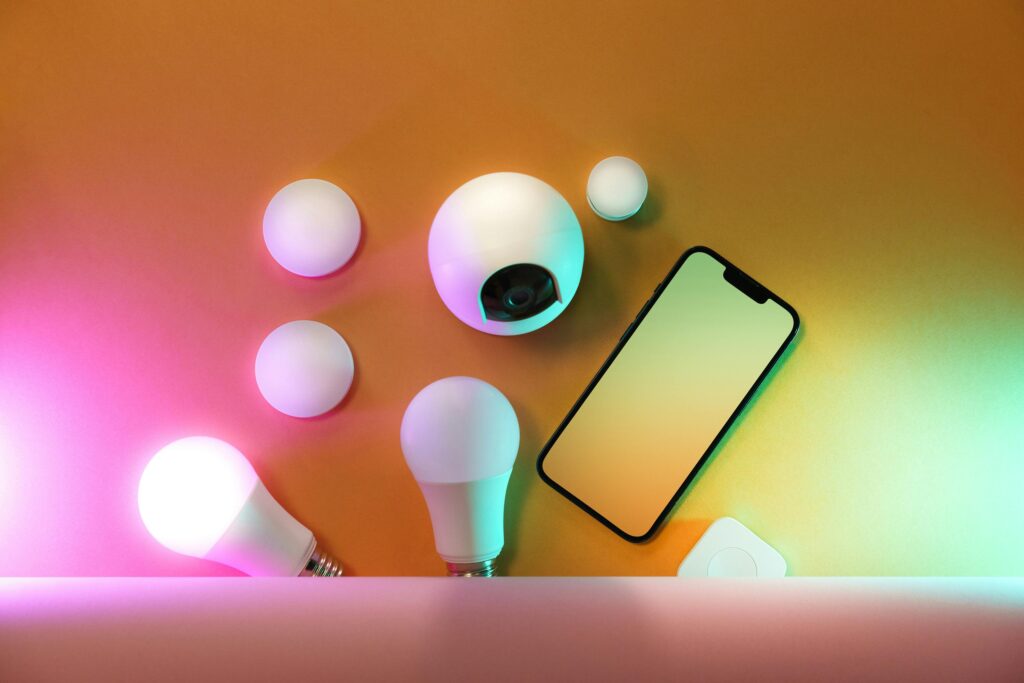
Artificial intelligence and automation are accelerating fears of replaceability even further.
For decades, automation primarily threatened repetitive physical labor. Today, AI systems increasingly affect creative, analytical, and communication-based work that many people assumed would remain deeply human.
Writers, designers, programmers, artists, customer service workers, analysts, translators, and educators now face uncertainty about how much of their labor can eventually be replicated or partially automated.
The fear is not only economic.
Many people tie identity directly to their usefulness. Work often provides structure, self-esteem, social recognition, and purpose. When automation challenges uniqueness, it can destabilize psychological identity itself.
This is one reason modern discussions about AI frequently become emotionally charged. Beneath debates about productivity lies a deeper fear: if systems can reproduce increasingly human outputs, what makes individual humans valuable?
At the same time, AI companionship technologies are emerging during a period of rising loneliness and isolation. Some researchers warn that engagement-driven AI systems may deepen social fragmentation while appearing to alleviate it temporarily.
This introduces a troubling possibility.
Technology may increasingly simulate emotional connection while weakening the real-world social structures necessary for long-term belonging.
The Decline of Shared Spaces
One major reason people feel replaceable is that fewer institutions now create durable community.
Religious participation has declined across many regions. Civic organizations weakened. Local clubs shrank. Long-term employment became less stable. Neighborhood cohesion declined in many urban and suburban environments.
Historically, repeated physical proximity created familiarity automatically. People saw the same coworkers, neighbors, local business owners, classmates, and community members consistently over time.
Modern life is more mobile and fragmented.
People relocate more often. Jobs change faster. Online interaction replaces local interaction. Entertainment consumption increasingly happens privately rather than communally.
Even leisure has become individualized.
Streaming replaced many shared viewing experiences. Online gaming replaced some physical gathering. Food delivery replaced parts of restaurant social culture. Remote work reduced office interaction. Digital convenience reduced many small daily encounters that once formed social texture.
None of these shifts are inherently evil individually. But collectively they alter how belonging forms.
Humans generally require repeated low-pressure exposure to develop trust and attachment. When social environments become transient and optimized around convenience, deeper connection becomes harder to sustain.
The result is a growing sense of social impermanence.
Consumer Culture Encourages Disposable Thinking

Consumer economies depend heavily on novelty.
Advertising constantly pushes upgrades, replacements, reinvention, and optimization. Trends cycle faster than ever because digital systems accelerate consumption and visibility simultaneously.
This shapes psychology more broadly.
People absorb the idea that value is temporary. Products become disposable. Media becomes disposable. Trends become disposable. Content becomes disposable.
Eventually, human beings start feeling disposable too.
Social media intensifies this because online identity itself becomes partially performative. People feel pressure to remain interesting, productive, attractive, responsive, informed, entertaining, and emotionally optimized.
Exhaustion follows naturally.
A culture built around endless replacement struggles to create emotional security because permanence itself loses status.
Economic Pressure Makes Relationships More Fragile
Financial instability also contributes heavily to feelings of replaceability.
Housing costs, healthcare expenses, education debt, inflation, and unstable labor markets create chronic stress for many people. Under financial pressure, relationships often become strained because individuals have less time, energy, and emotional bandwidth available.
Long work hours, multiple jobs, side hustles, and digital availability expectations reduce unstructured social time.
Friendship requires maintenance. So does family connection. So does community involvement.
But modern economies increasingly reward constant productivity.
Several discussions online increasingly describe life as narrowing into cycles of work, screens, and exhaustion.
This is not simply personal failure. It reflects structural conditions.
People cannot easily build deep communities when economic systems absorb most available time and energy.
Loneliness Is Becoming Systemic
The loneliness crisis is often framed as an individual mental health issue. But many researchers increasingly describe loneliness as structural and systemic.
Changes in labor systems, digital architecture, urban design, economic pressure, and media environments all interact simultaneously.
Studies examining social media usage patterns have found measurable differences in engagement behaviors among lonely individuals, suggesting that loneliness increasingly intertwines with digital behavior itself.
Meanwhile, discussions around the “loneliness economy” highlight how isolation itself is becoming monetized through apps, subscriptions, AI companionship, self-help industries, and digital engagement systems.
This creates a strange feedback loop.
Systems contribute to isolation while simultaneously profiting from attempts to alleviate it.
That dynamic intensifies the feeling that many aspects of modern life are transactional.
Why This Feeling Hurts So Much
Humans are not built merely for efficiency.
People need recognition, continuity, familiarity, trust, and meaning. They need environments where their presence matters beyond immediate utility.
Feeling replaceable attacks something fundamental psychologically because it undermines perceived significance.
If jobs feel temporary, relationships feel unstable, platforms reward constant comparison, and technology increasingly imitates human capability, people naturally begin questioning where lasting value comes from.
This helps explain why many individuals today feel emotionally exhausted even when basic conveniences have improved dramatically.
Convenience does not automatically create belonging.
Efficiency does not automatically create fulfillment.
Infinite access does not automatically create connection.
Moving Forward
The solution is unlikely to come from abandoning technology entirely or romanticizing the past. Modern systems provide real benefits, including flexibility, information access, and global communication.
But societies may need to rethink what kinds of structures actually support human well-being long term.
That likely includes rebuilding stronger local communities, protecting work-life boundaries, designing healthier digital environments, encouraging stable public gathering spaces, and resisting systems that reduce human value entirely to measurable output.
On an individual level, many people are already attempting to reclaim slower and more grounded forms of connection. They seek smaller communities, in-person hobbies, local groups, intentional friendships, and environments less dominated by algorithms.
This reflects something important.
Despite enormous technological change, human emotional needs remain remarkably old.
People still want to feel known instead of processed.
People still want to feel valued instead of optimized.
People still want to feel remembered instead of replaceable.
Sources
- Journal of Business Ethics study on loneliness and gig work
- Nature study on social support and gig workers
- MDPI study on loneliness and engagement-driven systems
- ScienceDirect study on algorithmic management and disengagement
- Acta Psychologica study on gig worker agency and job satisfaction
- ArXiv study on loneliness and social media engagement
- Frontiers study on psychological trade-offs in digital labor
Relevant Categories:
World Events: https://interconnectedearth.com/category/world-events/
Mental Health: https://interconnectedearth.com/category/mental-health/
Technology: https://interconnectedearth.com/category/technology/
Philosophy: https://interconnectedearth.com/category/philosophy/