
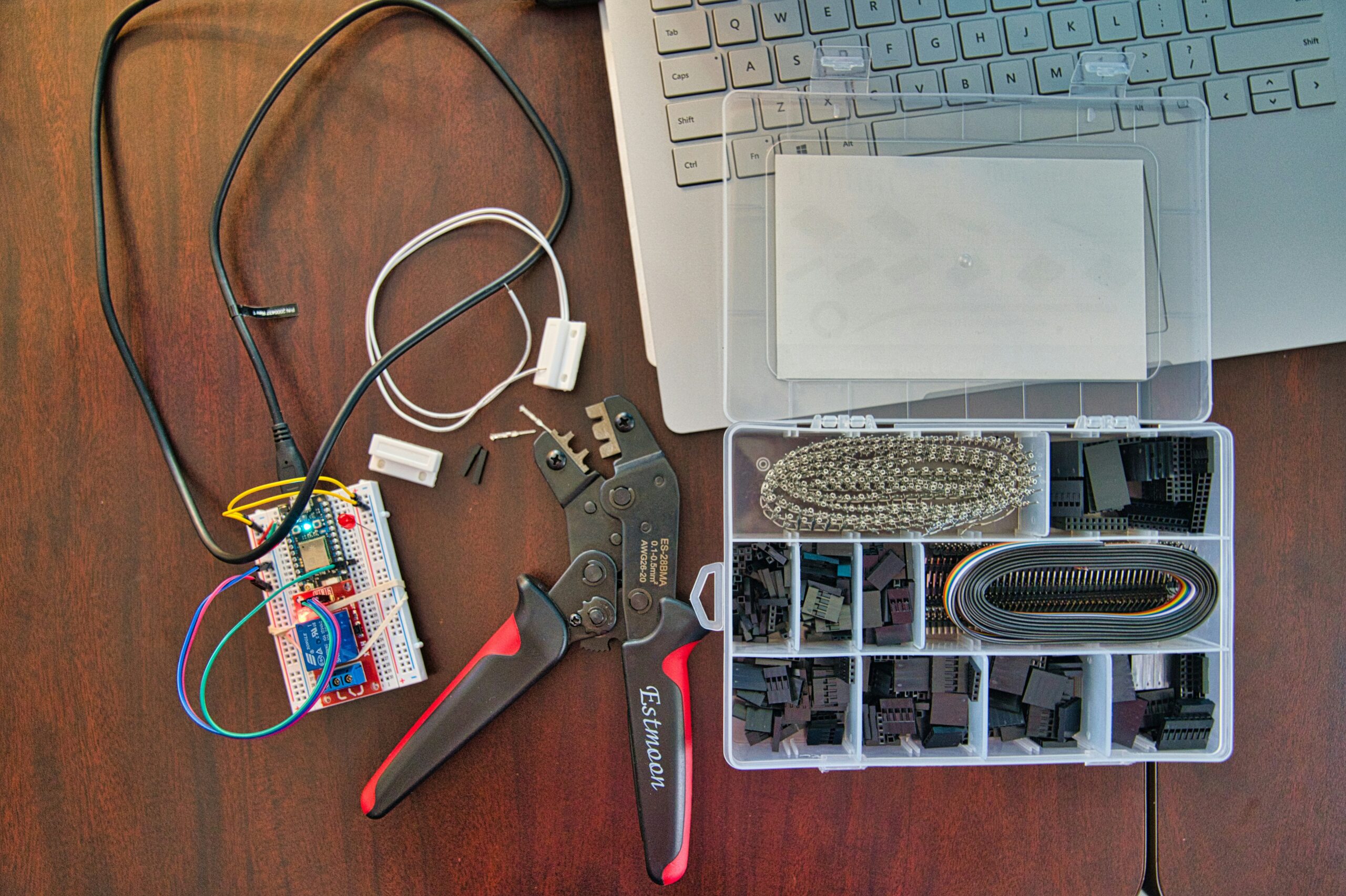
The word “cyberdeck” sounds like it belongs in a science fiction novel, something carried by a hacker navigating a neon-lit future. In many ways, that is exactly where it comes from. But today, cyberdecks are no longer just fictional devices. They are real, physical computers built by individuals who are dissatisfied with the direction of modern technology and want something more personal, more controllable, and more human.
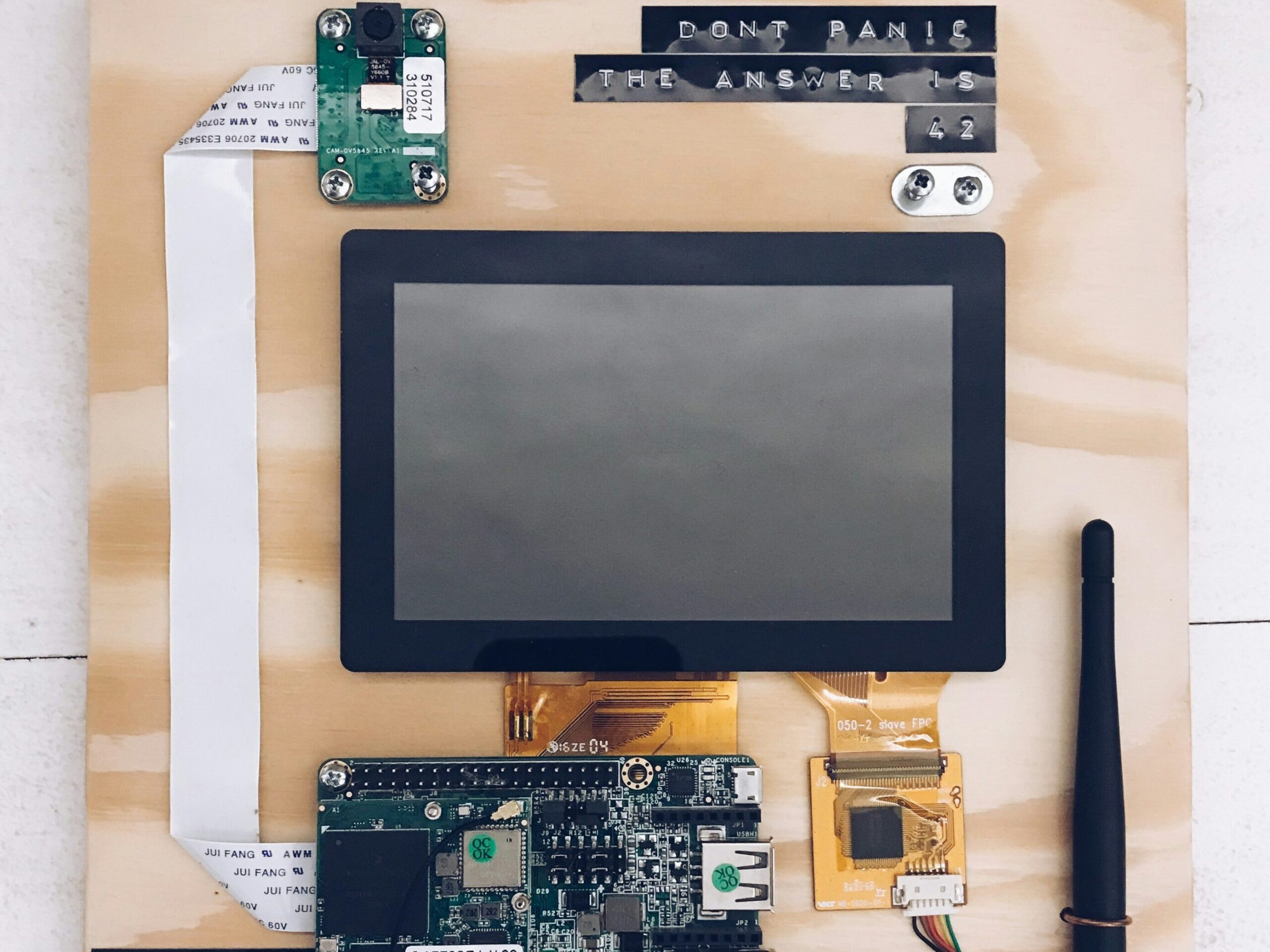
A cyberdeck is typically a DIY, highly customized computing device. It is often portable, visually distinct, and intentionally designed to reflect a specific aesthetic. Some resemble rugged field terminals. Others look like retro-futuristic consoles or minimalist writing machines. Most are built using components like single-board computers, mechanical keyboards, custom enclosures, and open-source software. But the defining feature is not the hardware. It is the intention behind it.
Cyberdecks are not just about computing. They are about reclaiming agency in a technological landscape that increasingly feels distant, automated, and shaped by forces outside of individual control.
This shift is not happening in isolation. It connects directly to broader changes in how people experience work, technology, wealth, and identity. It also reflects a growing discomfort with systems that prioritize efficiency, scale, and profit over human experience.
What we are seeing is not just a niche hobby. It is a signal.
What a Cyberdeck Actually Is
At a functional level, a cyberdeck is a self-built computer, often designed for a specific purpose. Some are optimized for programming or cybersecurity work. Others are built for writing, media playback, or offline use. Many use platforms like the Raspberry Pi or other low-power computing boards.
What makes a cyberdeck distinct from a typical DIY PC is its philosophy. These machines are not designed to compete with high-end laptops in raw performance. They are designed to serve the person using them in a more intentional way.
This often means:
- Limited or no connection to cloud services
- Minimal or highly controlled software environments
- Physical customization that reflects the builder’s identity
- A focus on durability, repairability, and long-term use
In a world where most consumer devices are sealed, standardized, and difficult to modify, cyberdecks move in the opposite direction. They are open, flexible, and deeply personal.
Communities built around cyberdecks have grown steadily in recent years. Platforms like Reddit’s cyberDeck community show thousands of users sharing builds, schematics, and ideas. You can explore examples here: https://www.reddit.com/r/cyberDeck/
Similarly, DIY electronics culture more broadly has expanded through resources like Adafruit and Hackaday, which regularly feature custom builds and tutorials:
https://learn.adafruit.com/
https://hackaday.com/
These spaces reveal something important. People are not just consuming technology anymore. They are rethinking it.
A Response to Platform Dependence
Modern computing is increasingly defined by platforms. Most devices are designed to connect users to ecosystems controlled by a small number of companies. Software is tied to accounts. Features depend on subscriptions. Data flows outward, often invisibly.
This model has advantages. It enables convenience, synchronization, and global connectivity. But it also creates dependency.
Users are no longer just using devices. They are participating in systems that shape how those devices function, what they can do, and how long they remain usable.
Cyberdecks challenge this model by shifting control back to the individual. A self-built machine does not require permission to exist. It does not depend on a corporate roadmap. It does not become obsolete because a company decides to stop supporting it.
This matters in a broader economic context. Research from the Right to Repair movement highlights how many consumer electronics are intentionally designed to limit repairability and encourage replacement. Organizations like iFixit have documented this trend extensively:
https://www.ifixit.com/Right-to-Repair
Planned obsolescence is not a conspiracy. It is a business model. Devices are often optimized for upgrade cycles rather than longevity.
Cyberdecks resist that model by design. They prioritize continuity over replacement.
The Labor Behind Technology
To understand why cyberdecks resonate, it is necessary to look at how modern technology is produced.
Most consumer electronics rely on global supply chains that are complex and often opaque. Manufacturing frequently occurs in regions where labor costs are lower and working conditions can be difficult. Reports from organizations like Amnesty International have examined labor issues in electronics supply chains, including cobalt mining and factory conditions:
https://www.amnesty.org/en/latest/research/2016/01/this-is-what-we-die-for/
At the same time, the software that powers modern devices is built on layers of labor that are often invisible. Content moderation, data labeling for AI systems, and backend support roles are essential but frequently underpaid and under-recognized.
This creates a disconnect. Users interact with sleek, polished devices, but the human effort behind them is largely hidden.
Cyberdeck culture does not solve these systemic issues. But it changes the relationship between user and machine. Building a device requires time, attention, and effort. It makes the process visible again.
When someone assembles a cyberdeck, they are engaging directly with the material reality of technology. They are making decisions about components, design, and functionality. This creates a different kind of relationship, one based on understanding rather than abstraction.
It also raises a quiet question. If more people understood how their devices were made, would they use them differently?
Wealth, Access, and the Cost of Ownership
At first glance, building a custom computer might seem expensive. And in some cases, it can be. But the economics of cyberdecks are more nuanced.
High-end consumer devices often come with significant upfront costs and ongoing expenses. Subscriptions for software, cloud storage, and services add up over time. Repair costs can be high, and in some cases, repairs are not even possible.
Cyberdecks, by contrast, can be built incrementally. Components can be sourced over time. Systems can be upgraded piece by piece. Open-source software can replace proprietary alternatives.
This shifts the concept of ownership. Instead of buying a finished product, users are investing in a system they can understand and modify.
The rise of open-source software plays a key role here. Projects like Linux provide powerful alternatives to commercial operating systems. The Linux Foundation offers extensive resources on open-source ecosystems:
https://www.linuxfoundation.org/
Open-source tools reduce barriers to entry and allow users to tailor their systems without licensing constraints.
From a broader perspective, this reflects a tension in modern economies. Technology is both a tool for empowerment and a source of dependency. Cyberdecks lean toward the former.
Mental Health and Digital Fatigue
One of the most compelling aspects of cyberdeck culture is its emotional dimension.
Many people feel overwhelmed by digital life. Constant notifications, algorithmic feeds, and AI-generated content create a sense of noise. Attention becomes fragmented. Time feels compressed.
Research from organizations like the American Psychological Association has linked excessive screen time and digital overload to stress and reduced well-being:
https://www.apa.org/monitor/2017/01/cover-digital-age
At the same time, platforms are designed to maximize engagement. This often means prioritizing content that captures attention quickly rather than content that sustains focus.
Cyberdecks offer an alternative. They are often built with specific, limited purposes in mind. A writing-focused cyberdeck might exclude internet browsing entirely. A field device might prioritize offline tools.
This intentional limitation can be psychologically beneficial. It creates boundaries.
Building the device itself is also meaningful. Working with physical components, solving problems, and seeing tangible progress can be grounding. It shifts the experience of technology from passive consumption to active creation.
There is a growing body of research suggesting that hands-on activities, including DIY projects, can reduce stress and improve mood. Harvard Health has explored the mental health benefits of creative and manual work:
https://www.health.harvard.edu/mind-and-mood/the-mental-health-benefits-of-creative-activities
Cyberdecks fit into this pattern. They provide a way to engage with technology that feels slower, more deliberate, and more human.
Identity and Aesthetic Expression
Modern consumer devices are designed for mass appeal. They are sleek, minimal, and largely indistinguishable from one another. This uniformity is intentional. It simplifies manufacturing and reinforces brand identity.
But it also limits personal expression.
Cyberdecks move in the opposite direction. They are often visually distinctive, incorporating elements from cyberpunk, retro computing, industrial design, and other aesthetics. Some look like they belong in a 1980s science fiction film. Others resemble military equipment or experimental prototypes.
This is not just about style. It is about identity.
People want tools that reflect who they are. A custom-built device can embody personal values, interests, and preferences in a way that mass-produced products cannot.
This aligns with broader cultural trends. As digital life becomes more standardized, physical objects take on greater significance as markers of individuality.
Cyberdecks are functional, but they are also expressive.
A Quiet Form of Resistance
Cyberdeck culture is not overtly political. Most builders are not framing their work as activism. But the movement carries implicit critiques of dominant technology models.
It challenges the idea that users should be passive consumers.
It questions the assumption that convenience should always take precedence over control.
It pushes back against systems that prioritize data extraction and engagement metrics over user well-being.
This resistance is subtle. It does not rely on protest or disruption. It operates through creation.
By building their own devices, individuals are demonstrating that alternative approaches are possible. They are exploring what technology could look like if it were designed primarily for the person using it rather than the company producing it.
This is a small shift at the individual level. But collectively, it reflects a broader desire for change.
The Search for Control in an Automated World
Automation and artificial intelligence are reshaping many aspects of life. Tasks that once required human input are increasingly handled by algorithms. Decisions are influenced by data-driven systems.
This can create a sense of distance. Processes become less transparent. Outcomes feel less predictable.
Cyberdecks respond to this by emphasizing control and transparency. Users know exactly what their device does because they built it. They can modify it as needed. They are not subject to hidden updates or shifting policies.
This does not mean rejecting technology. It means redefining the relationship with it.
Instead of being managed by systems, users are managing their own tools.
This distinction is subtle but significant. It changes how people think about technology and their place within it.
Why This Matters Now
The rise of cyberdecks is happening at a specific moment in time.
Artificial intelligence is becoming more integrated into everyday tools. Subscription models are expanding. Concerns about privacy and surveillance are growing. At the same time, economic pressures are increasing for many people.
These factors create a sense of instability.
In this context, building a personal device is not just a technical project. It is a way of creating something stable, understandable, and controlled.
It is a way of slowing down.
It is a way of reconnecting with the material aspects of technology.
It is a way of asserting that users can still shape their tools rather than simply adapting to them.
A Different Vision of Technology
Cyberdecks are not going to replace mainstream devices. Most people will continue to use smartphones, laptops, and cloud-based services. These systems are deeply embedded in modern life.
But cyberdecks point toward a different vision.
A vision where technology is:
- More transparent
- More customizable
- More durable
- More aligned with individual needs
This vision does not reject progress. It redefines it.
Progress is not just about faster processors or more advanced algorithms. It is also about how technology fits into human life.
Does it support well-being?
Does it respect autonomy?
Does it allow for creativity and expression?
Cyberdecks suggest that these questions matter.

Closing Reflection
The growing interest in cyberdecks is not just about hardware. It is about how people feel about the systems they use every day.
There is a sense that something has been lost in the shift toward highly centralized, automated, and commercialized technology. Devices have become more powerful, but also more distant.
Building a cyberdeck is a way of bridging that gap.
It is a way of making technology tangible again.
It is a way of turning a tool into something personal.
And in a world where so much feels standardized, optimized, and abstract, that act of creation carries real weight.
Cyberdecks are not a solution to the structural issues in technology. But they are a response. A small, deliberate, and human response to a system that often feels anything but.
Explore more from Interconnected Earth:
World Events: https://interconnectedearth.com/category/world-events/
Mental Health: https://interconnectedearth.com/category/mental-health/
Technology: https://interconnectedearth.com/category/technology/
Philosophy: https://interconnectedearth.com/category/philosophy/