

In today’s hyper-connected world, busy has become a badge of honor. Long hours and overflowing inboxes are worn like medals, often at the expense of our well-being. But beneath the accolades and hustle lies a far deeper issue: the normalization of overwork—not just as an individual challenge, but as a cultural, legal, and media-driven phenomenon that is taking a devastating toll on mental health.
This is not simply a matter of working more hours; it is a story about how society shifted from valuing work as a means to live well, to equating constant productivity with identity, worth, and even moral virtue. Understanding this shift—and how it might be reversed—means looking at culture, law, media, and emerging resistance movements together.
1. The New Normal: How Overwork Became the Default
Historically, work and life had clearer boundaries: set hours, physical workplaces, and predictable expectations. But in the last few decades, those boundaries have eroded. Remote work, smartphones, and global competition have made it so that for many, work never truly ends. The problem isn’t just long hours; it’s constant availability—the idea that being reachable and responsive equates to productivity and loyalty.
In the digital era, work bleeds into every corner of life, making psychological detachment from work harder than ever. Tools that were meant to bring flexibility have instead dissolved the boundary between work and personal time, contributing to what researchers call digital presenteeism—the pressure to be available and responsive online outside work hours—which itself contributes to burnout and poor work-life balance. Wikipedia
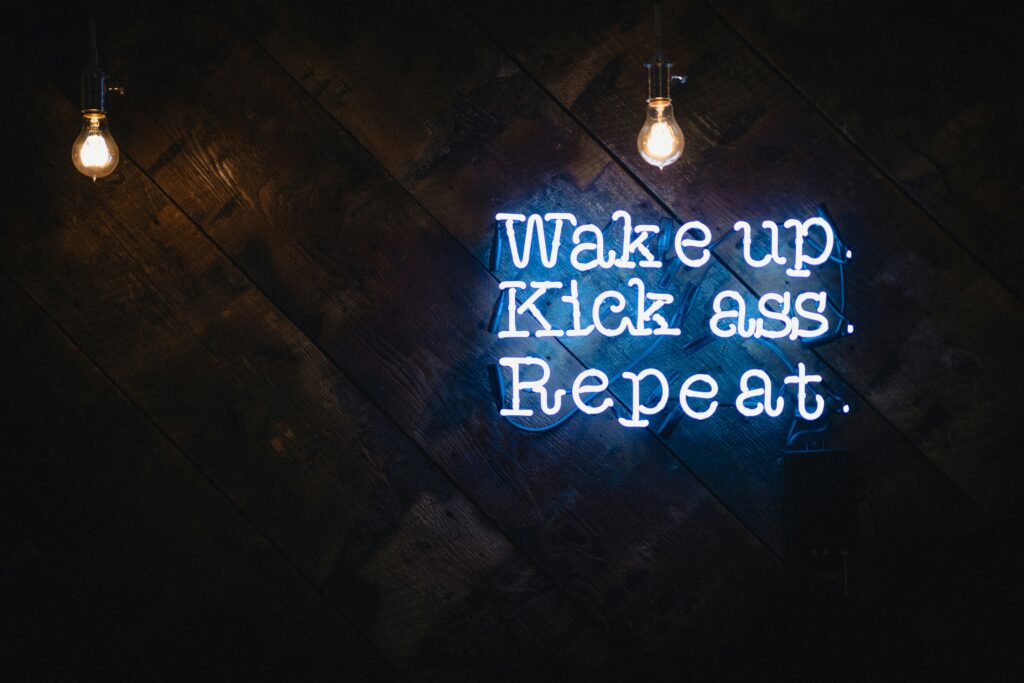
This always-on expectation is part of what critics of modern labor call hustle culture—a belief that success is about grinding constantly, sacrificing rest, and leveraging every moment toward productivity. Social media platforms have amplified this ethos by glorifying stories of extraordinary effort and extreme work commitments, reinforcing the idea that relentless work equals achievement. CultureMonkey

2. Policy Responses: Laws Aimed at Curbing Overwork
As work norms have shifted, different societies have responded through public policy. These laws don’t just regulate hours—they represent cultural pushback against work-centric expectations.
European Work Time Protections
In the European Union, the Working Time Directive sets a standard that limits the average weekly work hours to 48 and guarantees rest breaks, daily rest, and paid holidays—measures designed to protect workers from exploitation and reduce overwork. Wikipedia
The Right to Disconnect
One of the most striking legal innovations targets the digital blurring of work and life: the right to disconnect. First codified in French law in 2017 under the El Khomri Law—which requires companies with over 50 employees to negotiate policies barring after-hours work communications—this right has since spread across Europe and beyond, including Belgium, Spain, Portugal, and Australia. Wikipedia+1
The goal of these laws is straightforward: ensure that employees are not forced to respond to emails or messages outside work hours, thereby protecting personal time and reducing burnout.
Japan’s Work-Style Reforms
Japan’s example is perhaps one of the most dramatic. The country has long struggled with karōshi—death due to overwork. In response, the Japanese government passed the Work-Style Reform Law, introducing legal caps on overtime and requiring monitoring of working hours to prevent extreme workloads. E-Housing
Global Efforts and Emerging Policy
Even outside Europe and Japan, the idea of legislated work-life boundaries is gaining traction. In India, the 2025 Right to Disconnect Bill was introduced to protect workers’ personal time by requiring employers to formalize policies limiting after-hours communication. Wikipedia
These policies are more than administrative tweaks—they are cultural statements about what societies value: rest, family, personal time, and mental health.

3. The Invisible Pressure: Media and the Normalization of Hustle Culture
While laws push back against overwork, media and entertainment often push in the opposite direction, shaping norms around productivity and success.
Social Media Amplifies the Hustle
Platforms like Instagram, LinkedIn, TikTok, and Twitter reward stories of extreme productivity. Posts glorifying early mornings, long hours, side hustles, and yields from never-ending work loop reinforce the message that success is earned through relentless effort, often at the expense of well-being. The Emory Wheel This social ecosystem turns productivity into a performance, where visibility of effort becomes almost as important as the work itself.
In academic study, trends in social media content show how youth and professionals internalize these norms—linking self-worth to busyness and productivity, while chronic stress and anxiety rise. Journal Media Digital Publikasi

Entertainment and the Myth of Productivity
Beyond social media, broader entertainment industries—films, TV, even video games—frequently depict workaholism, competition, and stress as normal or even heroic. Characters who sacrifice relationships, sleep, and personal health for ambition are common archetypes. Research on representation in entertainment media shows that how professions are portrayed can influence public perception of real-world work norms. arXiv
Additionally, narratives around startup culture, entrepreneurship, and innovation often carry an implicit myth: if you’re not pushing yourself to the limit, you’re not serious about success. While these stories can be inspiring, they also help normalize unhealthy work expectations.
Even within specific creative industries like video game development, “crunch culture”—extended periods of uncompensated overtime—is celebrated or treated as standard, signaling how deeply work-centric norms have embedded themselves even in creative spaces. Wikipedia
4. Cultural Resistance Movements: Redefining Success
Not all cultural forces reinforce overwork. Across the globe, grassroots movements and cultural shifts are challenging the work-as-worth narrative.
Tang Ping (“Lying Flat”) and Neijuan
In China, the tǎng píng or “lying flat” movement explicitly rejects societal pressure to overwork and overachieve. It celebrates minimalism and refraining from the rat race entirely as a form of resistance to exploitative norms. Wikipedia
Similarly, nèijuǎn describes a competitive spiral of overwork and stress that traps individuals in unsustainable expectations, highlighting how work norms can feel like systems one can’t escape without drastic cultural shifts. Wikipedia
These countercultural movements emphasize rest, boundaries, and intentional living, pushing back against the notion that self-worth must come from labor output.

Shifts in Generational Expectations
Younger generations—especially Gen Z—are increasingly questioning the traditional hustle model. Terms like soft living and slow productivity have emerged as alternatives that emphasize balance, autonomy, and well-being over constant work. MCCS Journalism
This cultural reevaluation reflects growing recognition that relentless productivity often leads to burnout rather than fulfillment.

5. Why It Matters: The Mental Health Toll of Normalized Overwork
All these forces—media reinforcement, cultural expectations, workplace pressure, and policy gaps—shape how we think about work and ourselves. When overwork becomes normalized, people begin to internalize the idea that constant busyness and sacrifice are necessary for success. This internalization is a major contributor to chronic stress, burnout, anxiety, depression, and disrupted sleep.
Modern neuroscience and medical research reveal that chronic stress floods our systems with hormones like cortisol, disrupts sleep and emotional regulation, and can even reshape brain structures over time. Lack of rest and chronic demand on attention create health issues that no amount of self-care apps can fully mitigate.
6. Toward a Healthier Future: Policy, Culture, and Media Change
Addressing the toll of overwork requires action at multiple levels:
Policy & Legal Change
- Supporting laws like the right to disconnect and working time protections.
- Expanding labor standards to enforce clear boundaries around work.
- Incentivizing mental health protections and anti-burnout workplace standards.
Workplace Culture Reform
- Employers must move beyond token wellness programs and tackle workload design, staffing, and realistic expectations.
- Leadership should model boundaries, not overwork.
Media & Cultural Narratives
- Arts and entertainment can reshape what success looks like by portraying balanced lives—not just heroic exhaustion.
- Social media platforms and influencers can pivot away from glorifying hustle toward highlighting sustainable achievement.
Individual & Collective Action
- Workers can prioritize boundaries, advocate for change, and support each other.
- Normalizing conversations about mental health and restfulness reduces stigma.
Conclusion: Valuing Humanity Over Productivity
Overwork is not just an individual problem—it is a cultural and systemic epidemic. We were shaped by narratives that reward visible productivity and long hours, and we internalize those norms in our identities and self-worth. But these narratives can be challenged. Through legal protections, cultural shifts, media responsibility, and collective resistance, we can redefine what it means to work, live, and thrive.
Reality isn’t measured by how many emails we answer—but by the richness of our lives beyond the inbox.
This Interconnected Earth post is linked to the following sections of our site, Mental Health, World Events, Technology, and Arts and Entertainment showing how these things are all interconnected. Check out the other areas of our site to see more.
One thought on “The Invisible Burden: Overwork, Mental Health, and the Systems That Normalize Exhaustion”