
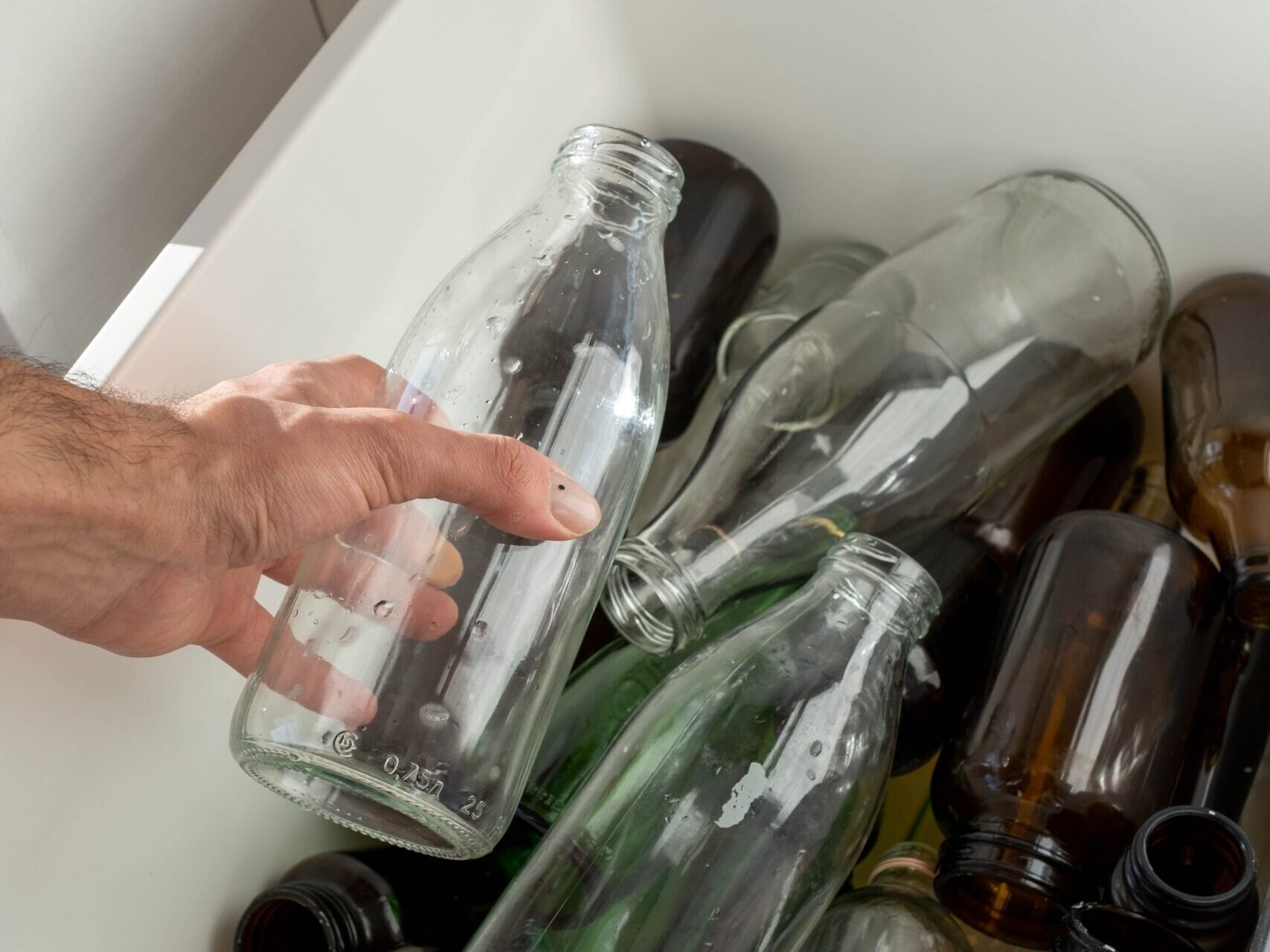
Every single day, hundreds of millions of single-use beverage containers pass through human hands. Soft drinks, sparkling waters, craft beers, ready-to-drink teas, and energy beverages fuel modern life. Yet, what happens after the final sip remains one of the most glaring policy challenges of our time. Across most of the United States, empty aluminum cans, PET plastic bottles, and glass jars end up tossed into trash cans, littered along highways, or contaminated inside suburban curbside bins. This status quo leads to hundreds of thousands of tons of valuable material being buried forever in municipal landfills. However, a field-tested solution already exists, one that turns consumer waste into instant cash payouts while creating a clean, high-value material stream for manufacturers. Modern bottle bills, built on the foundation of bottle deposit laws, demonstrate that sustainable materials management can pay consumers directly while keeping waste out of local landfills.
When state governments implement container deposit return systems, they fundamentally change consumer behavior. By putting a small financial value on every container, states convert packaging waste into an accessible economic asset. Understanding why container deposit legislation works so effectively, and why expanding these state systems remains critical, requires examining the tangible mechanics of container deposits, the vast environmental advantages for local municipalities, and the economic benefits delivered directly to beverage manufacturers.
How Paying People Back Transforms Household Recycling Habits
At its core, a bottle bill relies on a remarkably straightforward economic incentive: financial return. When a consumer buys a beverage in a state with container deposit legislation, a small refundable deposit, typically five to ten cents, is added to the checkout price. When that individual returns the empty beverage container to a local retailer, reverse vending machine, or dedicated drop-off center, they receive that exact deposit back in cash or digital payment. This simple feedback loop turns daily environmental stewardship into immediate financial reimbursement.
Financial incentive drives human behavior far more effectively than altruistic messaging alone. Traditional municipal curbside collection programs rely entirely on voluntary civic participation. While many households participate diligently, millions of citizens lack convenient access to curbside services or simply toss empty containers into garbage cans out of convenience. When a financial return is attached to every single container, those empty bottles and aluminum cans suddenly carry tangible real-world value. Consumers actively collect, segregate, and store their containers to redeem their deposit cash.
Furthermore, deposit systems create an informal safety net and neighborhood cleanup economy. In urban public spaces where beverage containers are discarded on streets, park benches, or beaches, the presence of a bottle deposit incentivizes immediate cleanup by community members. Individual collectors gather discarded containers and return them to local redemption centers, keeping public parks pristine while earning supplemental income. Through this direct cash incentive, container deposit frameworks convert potential public litter into clean income streams for local residents.
Lightening the Load: How Container Deposits Divert Waste from Landfills
The environmental toll of traditional disposable packaging is vast. When plastic bottles, glass jars, and aluminum cans are thrown into municipal garbage bins, they are routed directly to regional landfills or incinerators. Once buried in a landfill, PET plastic containers take up to 450 years to decompose, slowly breaking down into harmful microplastics that migrate into soil and water systems. Glass bottles endure almost indefinitely, occupying vast volumes of precious landfill space. Meanwhile, incinerating municipal waste releases greenhouse gas emissions and toxic particulate matter into neighboring communities.
Implementing targeted bottle deposit systems drastically reduces the volume of solid waste routed to landfills. By capturing beverage packaging at the source, states divert hundreds of millions of tons of high-grade material away from municipal waste facilities. In standard municipal single-stream collection systems, residents throw paper, cardboard, broken glass, food packaging, and plastic bottles into a single rolling bin. This mixed stream results in heavy cross-contamination. Broken glass embeds itself into paper pulp, while residual liquids degrade the quality of plastics, rendering a huge percentage of collected material unrecyclable and forcing materials recovery facilities (MRFs) to transport it straight to the landfill anyway.
Container deposit frameworks avoid contamination entirely by maintaining clean, dedicated collection streams. Because returned containers are handled separately from household trash and organic waste, redemption centers collect exceptionally clean, sorted materials. Up to 90 percent of PET plastic bottles and aluminum cans collected through deposit return systems are successfully reprocessed into high-grade raw materials. By keeping clean materials out of mixed garbage bins, deposit laws protect local landfills from overflowing, saving local municipalities millions of dollars in tipping fees and long-term facility management costs.
Helping Producers: The Circular Economy and Clean Material Supply
While consumer payouts and landfill diversion are highly visible, bottle bills offer equally profound benefits for beverage producers and plastic manufacturers. In recent years, global consumer brands have faced unprecedented pressure from consumers and regulatory agencies to incorporate post-consumer recycled (PCR) content into their packaging. Major manufacturers have committed to aggressive targets, promising to make new bottles from 25%, 50%, or 100% recycled content. However, producers face a massive bottleneck: a chronic global shortage of clean, high-purity recycled plastic resin and recycled aluminum.
Here is where deposit systems provide an indispensable solution for beverage producers:
- Food-Grade Material Quality: Plastic gathered from mixed curbside bins is frequently contaminated with chemicals, food residues, and non-recyclable polymers, making it unfit for food-grade packaging. Deposits deliver clean, single-type plastic streams that can easily be reprocessed back into food-safe beverage containers.
- Closed-Loop Circularity: Aluminum cans collected through deposit programs can be melted down, re-rolled, and transformed into brand-new aluminum cans on store shelves in as little as 60 days. This true “can-to-can” loop slashes raw material extraction needs.
- Enormous Energy Savings: Reprocessing recycled aluminum saves roughly 95 percent of the energy required to smelt virgin aluminum from raw bauxite ore. Manufacturing PET plastic bottles from recycled resin uses up to 75 percent less energy than producing virgin petroleum-based plastic.
By establishing reliable deposit-based collection systems, states ensure that manufacturers have access to a predictable, steady supply of post-consumer material. This steady supply stabilizes raw material price volatility, lowers carbon footprints across manufacturing supply chains, and allows companies to fulfill their corporate sustainability promises without relying entirely on costly virgin resources.
Which States Have Bottle Bills Today? A State-by-State Look
Currently, only 10 U.S. states operate active container deposit programs. Despite representing a minority of states, these ten jurisdictions account for the vast majority of clean beverage container recovery nationwide. Each state operates under its own specific legislation, container coverage rules, and deposit amounts.
| State | Year Enacted | Deposit Value | Covered Containers |
| Oregon | 1971 | 10¢ | Beer, soft drinks, water, juice, tea, coffee, kombucha (most beverages except milk/wine) |
| Vermont | 1972 | 5¢ (15¢ liquor) | Beer, wine coolers, carbonated soft drinks, liquor bottles |
| Maine | 1978 | 5¢ (15¢ wine/spirits) | All ready-to-drink beverages except dairy and unprocessed cider |
| Michigan | 1976 | 10¢ | Carbonated soft drinks, beer, wine coolers, canned cocktails |
| Iowa | 1978 | 5¢ | Carbonated soft drinks, beer, wine, liquor |
| Connecticut | 1978 | 10¢ (increased in 2024) | Carbonated soft drinks, beer, water, juice, sports drinks, kombucha |
| Massachusetts | 1981 | 5¢ | Carbonated soft drinks, beer, malt beverages |
| New York | 1982 | 5¢ | Carbonated soft drinks, beer, water, wine products |
| California | 1986 | 5¢ (<24 oz) / 10¢ (≥24 oz) | Soft drinks, beer, water, juice, wine, liquor (expanded under SB 1013) |
| Hawaii | 2002 | 5¢ | Soft drinks, water, juice, tea, beer, spirits (<68 oz) |
The historical results from these ten states demonstrate the unquestionable efficacy of container deposit legislation. According to comprehensive industry data from the Reloop Platform and the Container Recycling Institute (CRI), states with active bottle bills achieve average container recovery rates of 70% to 90%. By contrast, non-deposit states relying exclusively on municipal curbside bins hover around a dismal 20% to 30% collection rate for PET plastic and glass.
Oregon and Michigan lead the nation with container return rates that consistently exceed 80% to 85%. When Oregon raised its baseline deposit value from 5 cents to 10 cents in 2017, container redemption rates jumped instantly from 64% to over 80% within a single year. This dramatic real-world spike proves that consumer participation directly tracks the financial value placed on the returned material.
Why Container Deposit Laws Work So Well
The outstanding success of bottle bills in pioneer states comes down to three fundamental structural mechanics: targeted economic motivation, convenience infrastructure, and high material purity.
- Direct Accountability: In traditional waste disposal, the cost of hauling and landfilling trash is hidden inside municipal property taxes or flat monthly utility fees. Consumers face zero financial consequence whether they toss an aluminum can into the garbage or put it in a recycling bin. Bottle deposit laws make the financial incentive explicit and immediate. The consumer holds cash in their hand the moment they return their container.
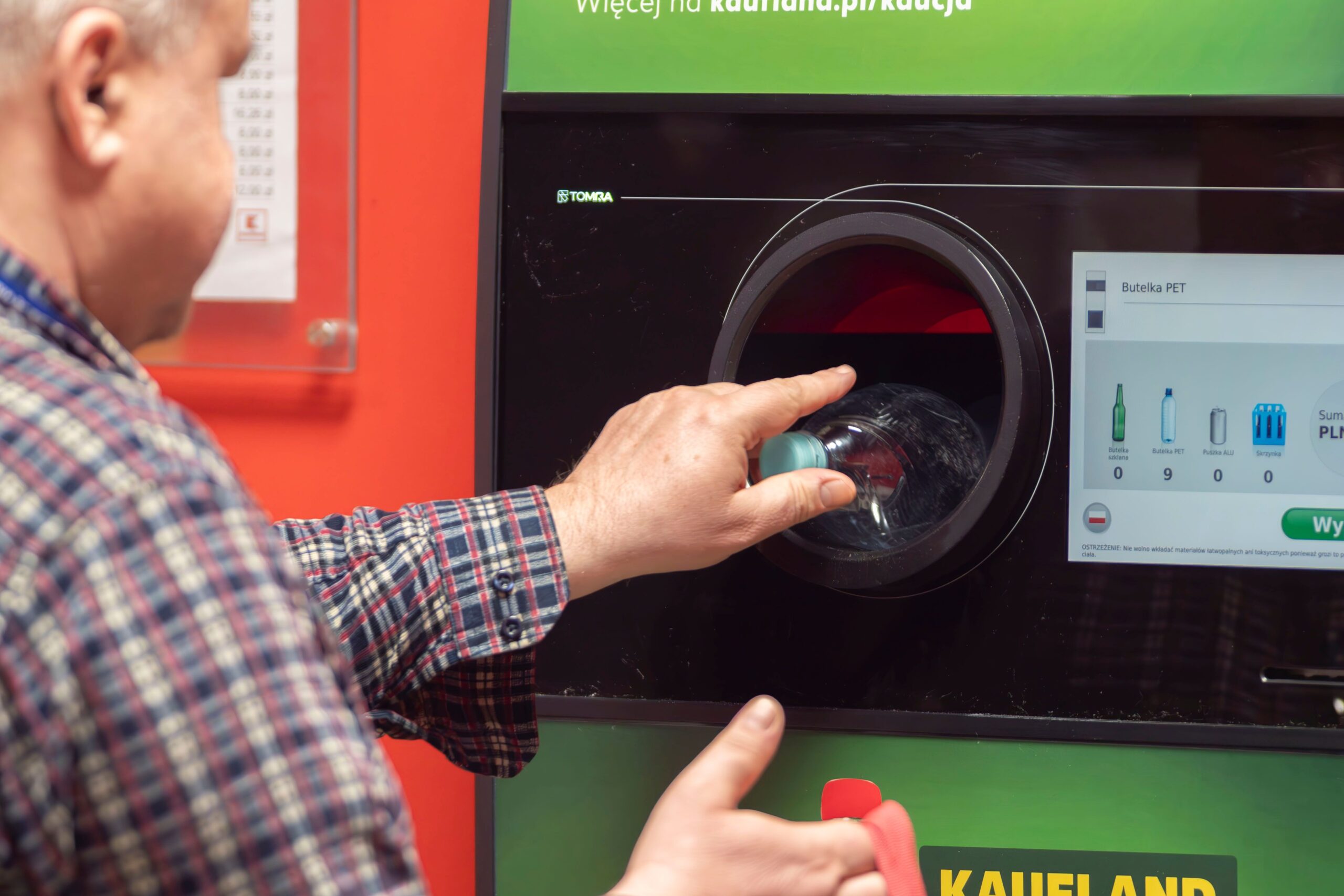
- Modern Convenience Infrastructure: Redemption networks in states like Oregon, Michigan, and New York utilize automated reverse vending machines (RVMs) placed inside grocery stores or regional redemption hubs. Consumers feed empty containers into these RVMs, which instantly scan barcodes, verify container eligibility, crush the material on-site, and issue immediate cash vouchers or digital app deposits. Oregon’s innovative “Green Bag” program, managed by the Oregon Beverage Recycling Cooperative (OBRC), allows residents to fill dedicated bags with tagged barcodes, drop them off at automated redemption stations, and receive direct account credits without sorting a single bottle manually.
- Preservation of Raw Material Value: In single-stream municipal bins, glass bottles shatter during transport, embedding sharp fragments into surrounding paper products and ruining expensive sorting equipment at materials recovery facilities. Clean container drop-offs ensure glass remains color-sorted and intact, plastic resin stays free from food contamination, and aluminum remains ready for immediate remelting. This exceptional purity ensures that collected materials actually complete the loop and become new products rather than ending up in municipal landfills.
What Is Holding Other States Back From Passing Bottle Bills?
If container deposit legislation is so demonstrably successful, why haven’t all 50 states enacted their own programs? The answer lies in a complex matrix of corporate lobbying, retail opposition, operational friction, and political resistance.
- Corporate & Industry Opposition: Historically, major beverage manufacturers, bottling associations, and retail coalitions fought hard against state-level bottle bills. Bottlers argued that added deposits increased shelf prices for consumer beverages, leading to potential drops in overall sales volume. While many corporate beverage brands have softened their opposition in recent years due to urgent need for recycled content, political pushback remains strong in non-deposit states.
- Retailer Resistance and Floor Space Concerns: Grocery store chains and retail merchants often oppose container deposit legislation due to operational overhead. Managing reverse vending machines requires dedicated store square footage, labor for cleaning machines, and handling sticky, unwashed containers brought back by the public. Retailers argue that managing trash collection diverts resources away from their core grocery operations.
- Waste Management Industry Friction: The private waste haulage sector often fights new container deposit proposals. Aluminum cans and high-grade PET plastic bottles represent the single most profitable materials collected in municipal curbside bins. Waste management companies rely on selling these valuable commodities to subsidize the operational costs of sorting paper, cardboard, and low-value plastics. If a state passes a bottle bill, high-value cans and bottles are pulled out of curbside bins and routed to redemption centers, making municipal curbside recycling contracts far less profitable for traditional waste haulers.
- Political Dislike of Upfront Fees: State legislators are often wary of introducing any measure that looks like a new fee or tax at the grocery checkout line. Even though the deposit is fully refundable to consumers, political opponents often frame container deposits as an unwelcome tax increase on working families, making lawmakers hesitate to champion new legislation.
The Long-Term Impact: What Happens If More States Adopt Bottle Bills?
What would the United States look like if all 50 states implemented modernized container deposit laws or if Congress passed a national bottle bill, such as the proposed Break Free From Plastic Pollution Act? The nationwide environmental and economic benefits would be transformative.
From an environmental perspective, nationwide container return coverage would immediately divert tens of billions of plastic bottles, glass containers, and aluminum cans away from local landfills and marine ecosystems every single year. According to estimates by the Container Recycling Institute, establishing nationwide bottle deposits could raise America’s overall container recovery rate from its current national average of ~35% to well over 80%. This massive shift would eliminate millions of metric tons of greenhouse gas emissions annually by reducing the need to extract virgin petroleum for plastic and mine raw bauxite for aluminum.
Economically, nationwide bottle return programs would jumpstart a thriving domestic circular economy. Guaranteed access to millions of tons of clean recycled PET and aluminum would attract billions of dollars in private investment for regional domestic manufacturing facilities. Instead of exporting plastic waste overseas or burying it in municipal landfills, the U.S. would build robust internal supply chains, creating thousands of green manufacturing jobs in processing, sorting, logistics, and remanufacturing.
For everyday citizens, nationwide deposit programs would turn everyday packaging into an active source of income while instilling a universal habit of resource conservation. Rather than viewing empty packaging as useless trash meant for a landfill, American households would treat materials as valuable resources. Expanding bottle bills nationwide bridges the gap between individual financial reward, corporate responsibility, and long-term environmental protection, proving that when we pay people back, our planet wins.
References & Source Documentation
- Container Recycling Institute (CRI): Comprehensive research on state bottle bill performance, deposit values, and national recovery statistics. container-recycling.org
- Reloop Platform: Global data on deposit return systems (DRS), circular economy models, and international collection metrics. reloopplatform.org
- Oregon Beverage Recycling Cooperative (OBRC): Operational details and redemption metrics for Oregon’s Green Bag redemption program. obrc.com
- U.S. Environmental Protection Agency (EPA): National oversight on municipal solid waste generation, landfill diversion rates, and material recovery. epa.gov
- U.S. Congress Legislative Information: S.1377 – Break Free From Plastic Pollution Act text and federal bottle bill proposals. congress.gov