What Is Our Food Really Made Of?
Most of us don’t eat food the way our grandparents did. We eat products. They are engineered to travel long distances, sit on shelves for months, survive heat and cold, and still trigger pleasure when opened.
what role do all of these things actually play in our lives? When does physical stuff support our security, productivity, and self-expression? When does it become excess that weighs on our wallets, our minds, and the environment? How can we make smarter decisions about what we bring into our homes, what we keep, and what we let go?
Across human history, moments of profound loss, uncertainty, and upheaval have repeatedly given rise to art.
Since 2020, the world has experienced an unprecedented cascade of historic events—pandemic, political upheavals, wars, climate disasters, social movements, economic shifts, and rapid technological transformation. These collective experiences have not only shaped global history, they have also exerted extraordinary psychological and emotional pressure on individuals around the world. As news cycles compress and digital platforms flood us with information, many people find themselves exhausted not just physically, but morally and emotionally. This state—commonly described as moral fatigue or compassion fatigue—is increasingly recognized as a widespread response to continuous exposure to global crises.
Here we explore who the world’s top polluters really are, how power and profit shape their decisions, who sits at the top of these organizations, and what the psychological and emotional landscape of that leadership may look like under the weight of planetary-scale consequences.
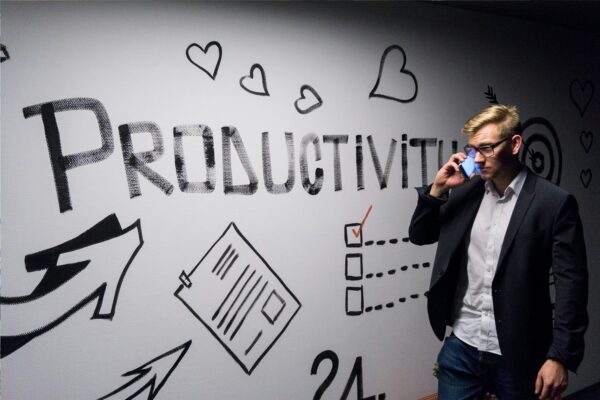
In today’s hyper-connected world, busy has become a badge of honor. Long hours and overflowing inboxes are worn like medals, often at the expense of our well-being. But beneath the accolades and hustle lies a far deeper issue: the normalization of overwork—not just as an individual challenge, but as a cultural, legal, and media-driven phenomenon…
Walk down any American grocery aisle and you are surrounded by color. Neon reds, radioactive blues, fluorescent yellows—foods engineered to look louder than nature ever intended. These colors are not incidental. They are synthetic food dyes, petroleum-derived chemicals designed to make processed food more appealing, more marketable, and more addictive. For decades, they have been…
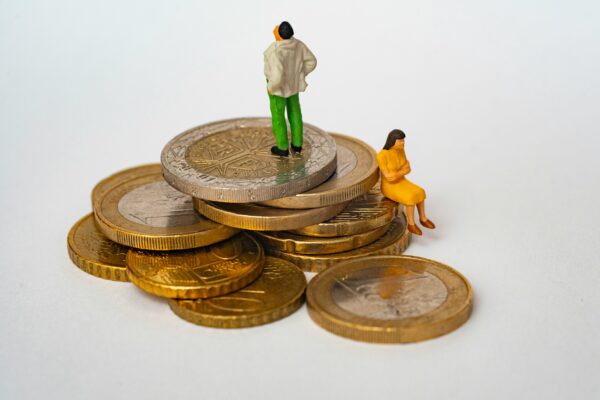
Shrinkflation has become one of the most persistent and least transparent forces shaping household budgets in the United States. Unlike rent hikes or interest rate increases, it does not arrive as a single shock. There is no clear moment when it “hits.” Instead, it embeds itself into daily life through smaller packages, shorter product lifespans,…
Across the US, millions of housing units sit empty at any given time, If there are “enough” buildings, why are people still priced out?
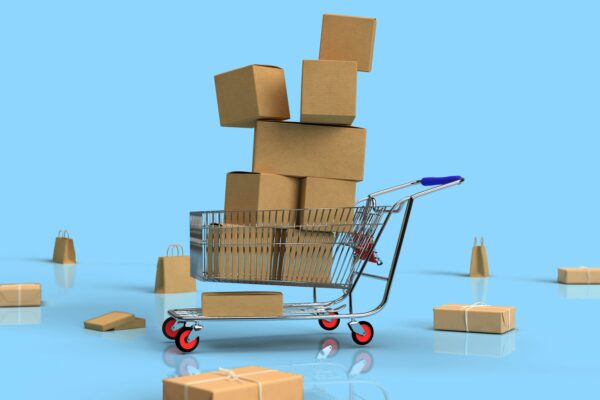
U.S. Black Friday 2025 broke records — sort of. If you dig deeper — into what shoppers actually bought and how they bought it — the story gets complicated.