
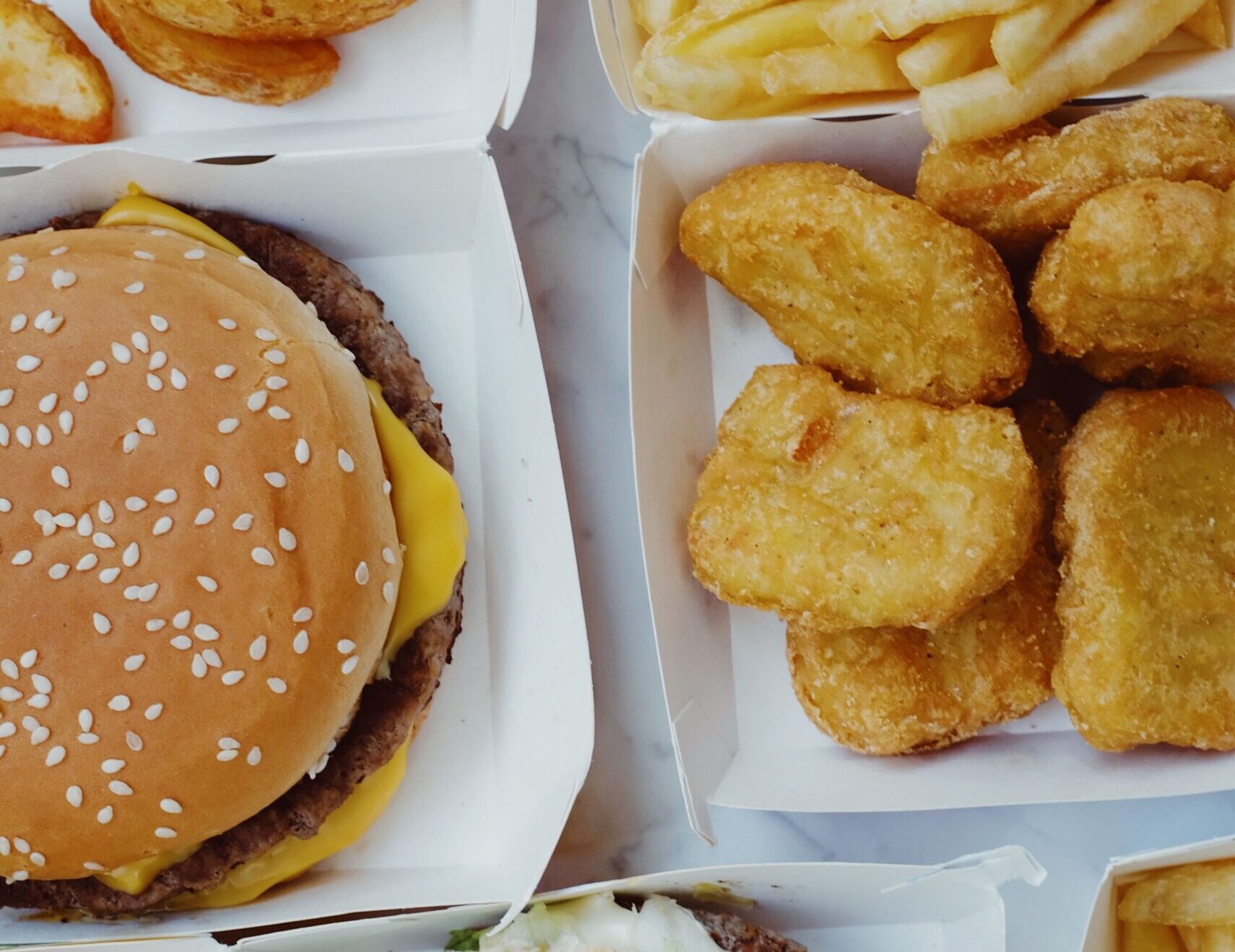
Fast food is no longer the cheap, reliable safe haven it used to be. For decades, the fast food model was hailed as an economic miracle of efficiency, a system explicitly engineered to deliver hot, predictable meals in minutes for just a few dollars. But a quick glance at any drive-thru menu board reveals a jarring reality. The “dollar menu” is a relic of the past, and a basic fast food combo meal frequently pushes past $12 to $15.
According to data from Bain & Company, restaurant price inflation has outpaced grocery prices by such a massive margin that it has triggered a severe pullback in consumer spending; fast food restaurant traffic fell significantly heading into 2026, marking one of the steepest declines since the 2009 financial crisis.
This dramatic shift has triggered a wave of consumer frustration. When the price of a fast food meal rivals that of a sit-down restaurant or a local independent diner, the foundational promise of the industry breaks. We are left with a fast food system that has gotten so big, so consolidated, and so beholden to corporate pressures that it is structurally breaking down.
To understand why fast food prices are soaring, we have to pull back the curtain on the entire pipeline. When a hyper-scale fast food infrastructure attempts to balance the demands of institutional investors, multi-million-dollar executive packages, and soaring supply chain logistics while maintaining the illusion of “cheap food,” the math fails. Ultimately, this fast food system cuts corners at every turn, shifting the true burden onto underpaid workers, squeezed farmers, and the consumer.
The Broken Blueprint of Hyper-Scale Fast Food
At its core, modern fast food is a victim of its own size. When an industry scales to tens of thousands of global locations, it can no longer operate like a traditional food business. It transforms into an exercise in high-volume logistical engineering. The core conflict of this fast food model is straightforward: corporate entities must drive continuous profit growth for shareholders, yet the primary product is baseline commodity fast food that consumers expect to remain cheap.
When macroeconomic pressures hit, such as fuel spikes, material scarcity, or shifting labor markets, a small independent diner can adapt by slightly altering its daily menu or absorbing minor fluctuations. A global fast food giant cannot. The sheer momentum of its immense supply chain makes it brittle. Because these corporations refuse to compromise on corporate profit targets, the pressure is pushed downward through the fast food system. They systematically extract value from every single player in the chain while cutting critical operational corners.
Squeezing the Foundation: From Farms to Processing Plants
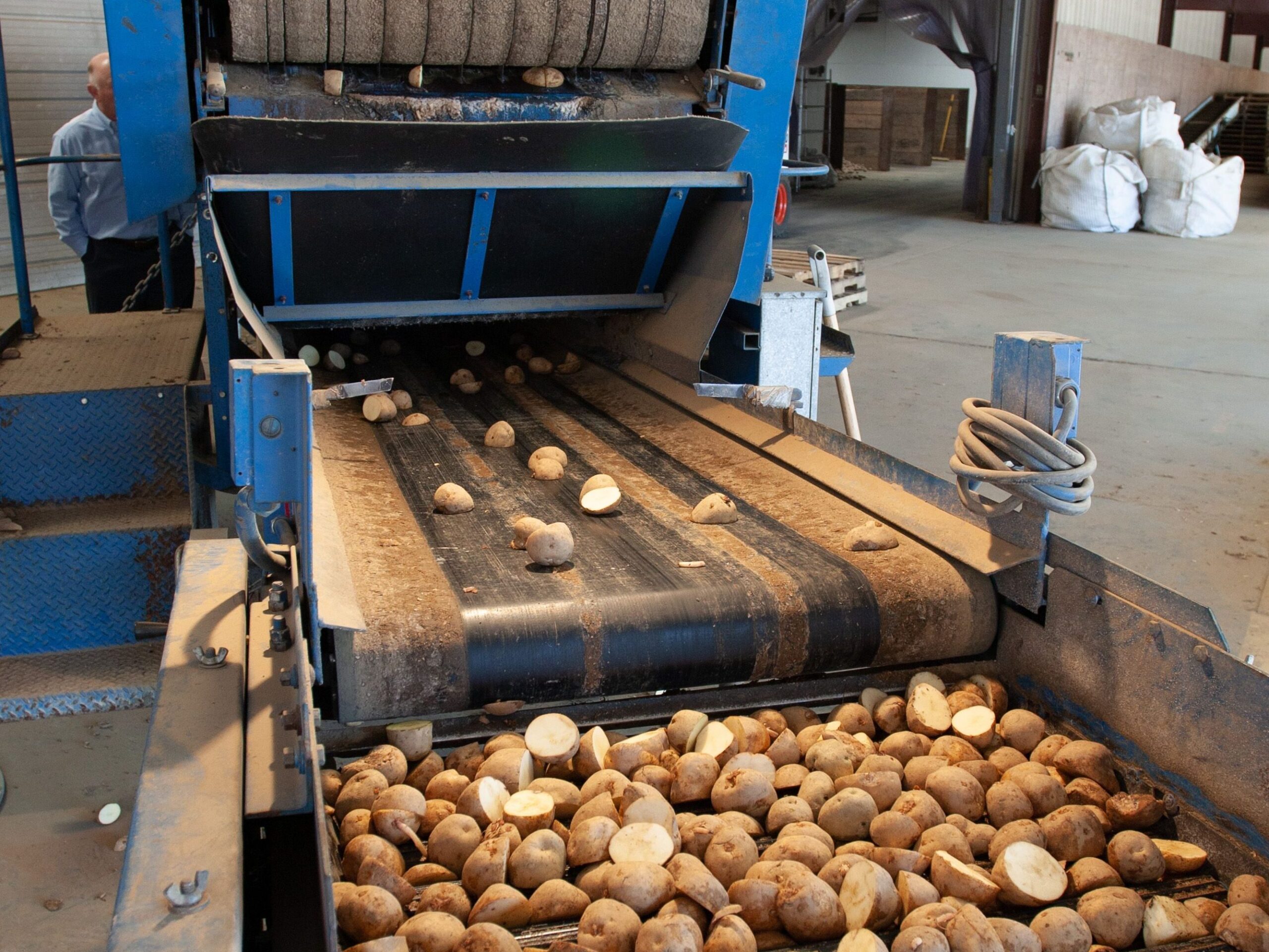
Every fast food meal begins on an industrial farm, and this is where the cost-cutting pressures first take hold. The agricultural supply chain for giant fast food corporations is engineered around maximum volume and minimal cost. A standard fast food hamburger represents an intricate network of cattle ranches, industrial feedlots, processing facilities, and distribution hubs. Similarly, a single order of fast food french fries relies on industrial potato farms, massive processing plants where potatoes are washed, chemically peeled, flash-blanched, and deep-frozen, and temperature-controlled shipping networks.
| Supply Chain Stage | Real Cost Drivers | Where the Pressure Lands |
| Agricultural Production | Heavy machinery fuel, specialized seeds, fertilizer, raw water access, property taxes. | The Farmer: Monopsonistic fast food buyers dictate rock-bottom prices, forcing farmers into razor-thin margins. |
| Factory Processing | Industrial processing machinery, strict food safety protocols, heavy electrical grids, bulk packaging. | The Plant Worker: Fast food processing facilities lean on high-speed automation and low-wage, high-turnover manual labor. |
| Logistics & Transport | Refrigerated trucking fleets, specialized logistics routing software, fuel infrastructure, freight insurance. | The Environment & Supply Chain: High vulnerability to fuel price spikes, which are instantly passed to the end consumer. |
Because massive fast food corporations wield immense purchasing power, they dictate terms to agricultural suppliers. Farmers are often locked into rigid contracts that leave them with minimal profits, forcing them to absorb the financial risks of bad crop cycles or rising fertilizer costs.
To deliver cheap ingredients to the restaurants, food processing plants operate under intense pressure. They utilize aggressive chemical preservation and high-speed processing methods to keep raw food stable for long-distance travel. The fast food system prioritizes industrial scale and uniformity over genuine nutritional quality and fair agricultural compensation.
Real Estate, Franchises, and the Corporate Overhead Burden
A common misconception is that when you buy fast food, you are primarily paying for the food. In reality, a massive chunk of every dollar spent covers corporate architecture and high-stakes real estate. Many dominant fast food corporations are actually real estate empires masquerading as burger chains. They purchase premium commercial real estate near highway interchanges and dense urban corridors, then lease those spaces back to franchise owners at a steep premium.
This corporate structure introduces layers of extraction that drive up fast food menu prices:
- Franchise Fees and Royalties: Local franchise operators assume nearly all the operational risk. They must pay upfront franchise fees, purchase highly specific proprietary kitchen hardware, and forfeit a mandatory percentage of gross sales back to corporate headquarters as a royalty fee.
- Venture Capital & Private Equity Demands: An increasing number of fast food brands are controlled by private equity groups or venture capital firms. These institutional investors demand rapid, aggressive financial returns. To meet these targets, chains frequently lean into financial engineering—cutting staff, raising menu prices, or shrinking portion sizes—to artificially inflate profit margins.
- Astronomical Executive Compensation: While frontline fast food workers advocate for basic living wages, executive compensation packages at major fast food organizations have skyrocketed. Associated Press compensation surveys reveal that median CEO pay packages have climbed to record highs of $17.7 million, with the pay gap between executives and low-wage workers widening to obscene ratios. This sharp disparity highlights a fundamental truth: the fast food model is highly effective at concentrating wealth at the top, while treating the operational costs of running individual restaurants as an expensive burden.
The Invisible Operational Costs: Upkeep and Tech Inefficiencies

Operating a single fast food location requires a mountain of hidden overhead. Customers see the final product wrapped in paper, but they rarely think about the non-food commodities that drain a fast food restaurant’s daily budget.
Every single napkin, straw, plastic lid, paper bag, and sauce packet costs money. When bundled by the millions across an entire fast food chain, these tiny consumer goods represent massive, ongoing expenses. Add in the cost of industrial commercial cleaning agents, hand soaps, and staff uniforms, and the baseline cost of opening the doors each day escalates quickly.
Furthermore, modern fast food locations are increasingly acting like technology companies that happen to cook food. Restaurants must pay for complex Point-of-Sale (POS) systems, automated inventory-tracking software, digital menu drive-thru arrays, and custom mobile applications.
Additionally, the rise of third-party delivery apps has complicated fast food economics. These platforms charge steep commission fees to the restaurant, forcing locations to artificially inflate their app-based menu prices just to keep from losing money on delivery orders.
Labor as an Expense, Not an Asset: The Push for AI and Screens

In a traditional restaurant model, labor is viewed as an essential investment in the guest experience. In the hyper-scaled fast food ecosystem, corporate spreadsheets view frontline labor strictly as a volatile expense to be minimized or engineered away entirely.
To maintain high corporate profit margins in the face of rising operational costs, fast food companies have aggressively embraced automation, self-service kiosks, and artificial intelligence. Industry trend mapping from Kiosk Industry indicates that self-service kiosks and AI-assisted upsell logic have become standard operational necessities rather than experimental pilots.
While self-order kiosks and AI-driven drive-thru order takers are promoted as tools for speed and convenience, their primary financial purpose is to reduce employee headcount.
The consequences of this shift are felt by both workers and consumers. For workers, it means fewer total hours, unpredictable shift scheduling dictated by predictive software algorithms, and a stressful, high-pressure work environment where two or three employees are routinely expected to handle the volume that previously required a staff of six.
For the consumer, it results in a sterile, transactional dining experience. When a machine makes a mistake or a digital app glitches, there is rarely a human being available to troubleshoot the issue, leading to friction and frustration.
Cutting Corners: How Quality Suffers to Protect Profit Margins
When a fast food corporation refuses to lower its profit targets but hits a hard ceiling on how much it can squeeze its workforce and suppliers, it invariably resorts to cutting corners on the food itself. This compromises the integrity of the product in several ways:
- Shrinkflation and Portion Reductions: Fast food chains quietly reduce the physical size of their protein patties, slice their cheese thinner, shrink the volume of their beverage cups, or give fewer ounces of fries per order, all while keeping prices flat or raising them.
- Ingredient Degradation and Fillers: High-quality ingredients are systematically replaced with lower-cost alternatives. This includes utilizing cheaper cooking oils with longer shelf-lives, introducing soy-based fillers or high-sodium binders into meat products, and heavily relying on high-fructose corn syrup and chemical flavor enhancers to mask a drop in ingredient grade.
- Severe Understaffing: Cleanliness and order precision are often compromised. When a store operates with a skeleton crew to save on labor costs, dining rooms go uncleaned, trash cans overflow, and order errors skyrocket because the overwhelmed staff is forced to prioritize speed over quality.
Not All Food Chains Are Created Equal
It is vital to distinguish between massive corporate fast food entities and independent, localized dining options. The public often lumps all quick-service establishments into a single category, but their underlying economic structures are entirely different.
An independent local burger joint or a small regional chain operating with a handful of locations handles its finances differently. Because they lack corporate headquarters, venture capital investors, multi-million-dollar executive salaries, and national television advertising budgets, a much higher percentage of every customer dollar goes directly into purchasing fresh ingredients and paying a fair wage to the kitchen staff.
Operating a small, localized food business carries immense risk. Independent owners do not possess the massive bulk purchasing power of global fast food corporations, meaning they pay more for their raw meat, bread, and packaging. They lack access to deep lines of credit, meaning a single major equipment failure or a month of local road construction can push them to bankruptcy.
Yet, despite these systemic disadvantages, independent diners often provide significantly better long-term value to the consumer. The food is frequently prepped on-site rather than pre-processed in a distant industrial complex, and the money spent stays within the local economy rather than being siphoned off to institutional shareholders.
The Mirage of Convenience

The hyper-scale fast food system is fundamentally flawed because it is built on a contradiction: it tries to deliver industrial-scale corporate growth while pretending to offer cheap, convenient, everyday sustenance.
As corporate entities continue to squeeze agricultural producers, slash store labor, implement cold automation, and degrade ingredient quality to protect their bottom lines, consumers are left paying premium prices for an inferior, hollowed-out experience.
The rising cost of fast food is an open invitation to re-evaluate our relationship with convenience. When a corporate drive-thru combo meal costs the same as a fresh, hand-crafted meal from a local independent diner or an ingredient run to the local grocery store, the illusion of fast food value disappears.
Fast food isn’t broken because it has become expensive; it is breaking because the massive corporate architecture required to sustain it has prioritized short-term financial extraction over actual food and people.
Sources & Further Reading
- Bain & Company Restaurant Analysis: Learn more about shifting consumer dynamics and restaurant price inflation via the Bain & Company Restaurant Insights.
- Associated Press CEO Compensation Survey: Read about the widening executive pay gap and corporate compensation trends at the Courthouse News Executive Pay Report.
- Self-Service Technology Benchmarks: Explore data on fast food automation, AI drive-thrus, and digital kiosks through the Kiosk Industry Market Update.
Exploring Our Interconnected Systems
To dive deeper into how technology, labor economics, and corporate structures influence our daily lives, check out the following resources on Interconnected Earth:
- World & Society Dynamics: Discover how global supply networks shape local cultures at Interconnected Earth – World.
- Technology & Infrastructure: Read about the hidden software and automation trends transforming modern business at Interconnected Earth – Technology.
- Philosophy & Economic Thought: Explore the deeper ethical and structural questions behind modern consumerism at Interconnected Earth – Philosophy.
To view our full catalog of systemic analysis across global industries, visit our main page: Interconnected Earth.