

Modern culture treats rest or recovery like a transaction. It’s the reward you are allowed to purchase with your productivity, earned only after you’ve proven your worth by running yourself ragged. The ambient noise of our society is a constant directive: work harder, sleep less, stay connected, consume more. In this framework, deep exhaustion is worn like a badge of honor rather than a biological warning light.
But when we look at the world through an interconnected lens, a different reality emerges.
The people most capable of dismantling injustice, protecting our ecosystems, creating transformative art, and building resilient communities are rarely the ones running on empty. Real progress doesn’t stem from perpetual depletion; it requires the cognitive and emotional surplus needed to imagine a better reality and then organize to build it.
Rest is not a retreat from the fight. It is the active stewardship of our most vital resource.
1. The Neurochemistry of Awareness

Every systemic critique, community initiative, and creative breakthrough begins with basic biology. The human brain is an energy hog, accounting for just 2% of our body weight but burning through roughly 20% of our daily metabolic energy.
To keep us functioning, our neurons rely on a delicate chemical dance of neurotransmitters like dopamine, serotonin, and GABA. When we introduce chronic, uninterrupted pressure, our endocrine system floods the body with cortisol and adrenaline. While these hormones are brilliant for escaping immediate physical danger, prolonged exposure actively impairs memory, dampens emotional regulation, and can even structurally alter the prefrontal cortex, the exact seat of our empathy and long-term planning.
True recovery reverses this degradation. During deep sleep, the brain utilizes the glymphatic system, essentially a microscopic plumbing network, to flush out metabolic waste. Memories are consolidated, hormonal baselines reset, and emotional triggers are processed.
The Takeaway: Recovery is not a luxury; it is literal maintenance for human consciousness. Without it, our attention narrows, our impulse control weakens, and the very cognitive tools required to improve society become chemically unavailable.
2. The Feedback Loop of Tired Decisions

We easily recognize when we are physically tired, but we rarely notice how fatigue quietly shifts our decision-making architecture. Sleep deprivation reliably degrades our executive function, pushing us away from deliberate choices and toward reactive, immediate gratification.
This shift ripples out into every facet of civic and personal life:
- Nutrition: Preparing a thoughtful, sustainable meal loses out to high-emission, heavily packaged fast food.
- Intellect: Engaging with a challenging, nuance-rich book loses out to the passive dopamine loop of algorithmic scrolling.
- Community: Attending a local organizing meeting or checking on a neighbor loses out to isolation and streaming entertainment.
- Relationships: Navigating a difficult but vital conversation loses out to total conflict avoidance.
These are not moral failures. They are predictable, biological responses to depleted cognitive capital. One exhausted decision won’t change the trajectory of a community, but millions of exhausted decisions made simultaneously across a society absolutely do.
3. The Extraction Economy: Labor & Attention

Many of our economic structures value visible hours over actual outcomes, operating on the flawed premise that more hours always equate to more value. However, productivity research consistently highlights a point of diminishing returns. Past a certain threshold, extended hours yield soaring error rates, fractured collaboration, and systemic burnout.
So why does the pressure persist? Because time itself has been thoroughly commodified.
When your hours are fully consumed by long commutes, endless email threads, and mandatory digital availability, you experience acute time scarcity. This leaves virtually nothing left for family, civic participation, artistic expression, or deep reflection.
This dynamic extends directly into the attention economy. Today, companies aggressively compete for your attention because your minutes translate directly into advertising data, behavioral profiles, and market dominance. A mentally depleted mind is far easier to monetize. Passive consumption requires almost zero energy, whereas active creation and community participation demand a cognitive surplus.
4. How Exhaustion Drives Consumption & Climate Strain
There is a direct, hidden link between a society’s fatigue and its environmental footprint. Exhaustion is a massive driver of consumer spending. When we are entirely drained, we are forced to outsource the baseline tasks of living, effectively purchasing convenience to survive the day.
While convenience services provide vital accessibility for caregivers, disabled individuals, and those in acute survival modes, a systemic reliance on them creates an economy that profits off our collective weariness.
Consider how chronic fatigue directly shapes our relationship with the planet:
- Packaging Waste: Individual wrappers, disposable containers, and single-use plastics fill the gap when we lack the energy for meal preparation.
- Carbon Footprints: We choose a short drive over a walk or public transit simply because our physical energy is spent.
- The Cycle of Disposability: Fixing a broken item requires time, patience, and research. When we are exhausted, replacing it with a cheap, next-day delivery alternative becomes the path of least resistance.
A rested society is fundamentally more capable of patience. When people possess a surplus of time and energy, they have the capacity to make slower, more intentional, and deeply sustainable choices.
5. Rest as Sustainable Activism

For those dedicated to progressive change, whether tackling climate instability, economic inequality, or civil rights, the urgency can feel overwhelming. It creates a powerful temptation to believe that every waking hour must be dedicated to the struggle.
But movements built entirely on a culture of exhaustion inevitably fragment. When a group is collectively burnt out, internal patience wears thin, strategic thinking narrows into short-term reactivity, and empathy declines.
History shows us that successful, lasting social movements require endurance measured in decades, not just emotional intensity measured in weeks. Burnout serves no progressive cause. Taking care of your nervous system isn’t walking away from the work; it is ensuring you have the strength to show up for it tomorrow.
6. The Infrastructure of Community Resilience: Collective Care Over Individual Escapism
When modern culture does discuss rest, it almost exclusively frames it as an individual luxury. We are told to buy a better mattress, download a meditation app, take a solo vacation, or practice “self-care” over the weekend. This hyper-individualistic approach treats rest as a private resource to be hoarded, missing a fundamental truth about human systems: it is virtually impossible to truly rest alone in an exhausted, unstable world. True recovery is not an act of isolated escapism; it is a collective resource that relies entirely on a society’s social infrastructure.
Sociologists study this dynamics through the framework of social capital; the invisible networks of trust, relationships, and mutual aid that enable a neighborhood or society to function effectively. Social capital is divided into three critical layers:
- Bonding Capital: The deep, local safety nets between close family and friends.
- Bridging Capital: The ties that connect us across different socioeconomic, racial, or demographic boundaries.
- Linking Capital: The relationships connecting everyday citizens to people in positions of systemic authority.
When a community possesses high social capital, its members don’t have to navigate life’s emergencies in a state of hyper-vigilant panic. If a parent falls ill, a neighbor steps in to care for their children. If a crisis hits, local mutual aid networks distribute food and resources immediately. This baseline safety net lowers the baseline cortisol of the entire community, creating a structural buffer against chronic exhaustion.
Conversely, when social infrastructure is absent or underfunded, every single life hurdle; from a broken car to a sudden medical bill, demands a massive expenditure of individual physical and emotional energy. People are forced into hyper-independence, staying awake later, working extra shifts, and entering a permanent state of survival.
The Systemic Illusion: Telling an underpaid, overworked person to practice “mindfulness” without altering the material conditions of their life is a hollow gesture. It treats a systemic failure of social infrastructure as a personal failure of stress management.
Furthermore, the lack of equal access to rest is deeply rooted in historical and systemic inequities. Authors and activists within the “Rest as Resistance” movement, such as Tricia Hersey, point out that grind culture is fundamentally linked to historical systems of exploitation, where a person’s body was viewed strictly as a tool for economic extraction. Historically, marginalized populations—particularly Black, Indigenous, and working-class communities—have been systematically denied the right to rest, with their downtime frequently stigmatized as “laziness”.
When we view rest through this lens, pushing back against constant extraction becomes a profoundly political act. For communities navigating systemic bias, microaggressions, and generational trauma, the simple act of slowing down is a declaration of inherent human worth outside of capitalist utility. It is a demand that a society move away from exploitation and toward an economy built on collective care.
Ultimately, communities move at what sociologists call “the speed of trust”. Trust requires time—time to sit on front porches, time to hold block meetings, time to volunteer, and time to simply check in on one another without a transactional agenda. A rested collective is a consolidated, creative, and highly adaptive collective. By building structural support systems—like paid family leave, predictable working hours, robust public spaces, and communal safety nets—we shift rest from a wealthy privilege to a shared civic foundation. We create a world where everyone has the room to breathe, heal, and participate.
Redefining What It Means to “Flourish”
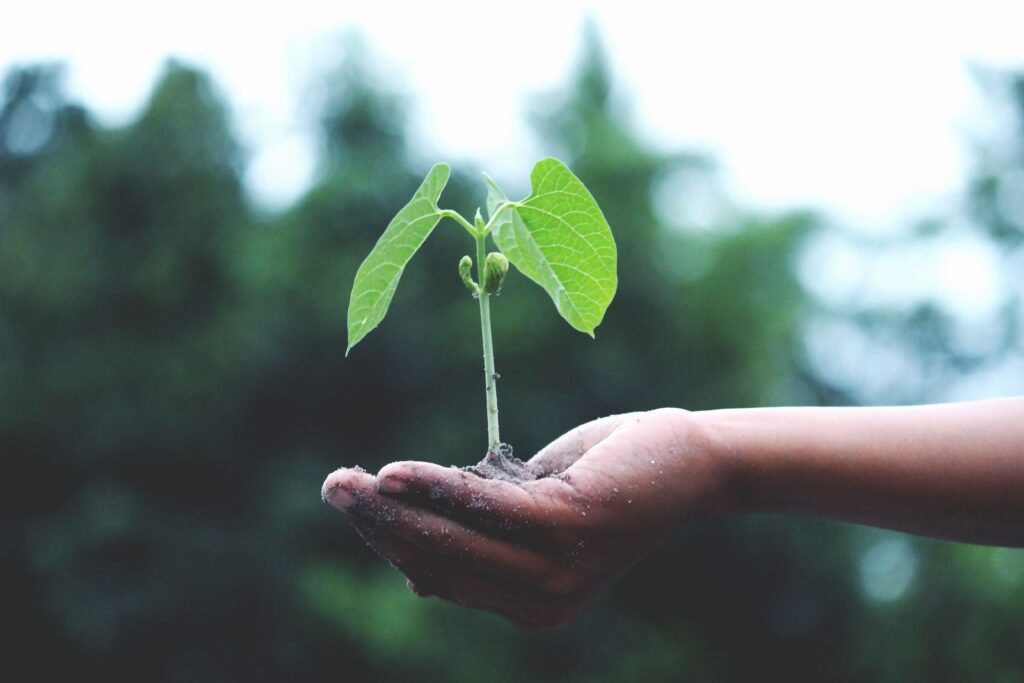
If we measure success purely through immediate economic output, then perpetual exhaustion looks entirely rational. But if our metrics for a successful society include healthy families, resilient ecosystems, vibrant arts, robust democratic participation, and genuine compassion, then recovery must be viewed as an essential form of production.
Some of the most vital work on Earth offers no immediate financial return:
- Sitting quietly to listen to a friend in distress.
- Mentoring a young person or volunteering locally.
- Spending hours creating art that makes people feel less alone.
- Pausing to think deeply before reacting to a crisis.
None of these fit into a corporate quarterly report, yet they are precisely the threads that keep our social fabric from unraveling.
The future we want to build demands intelligence, empathy, courage, and long-term cooperation. None of those traits are nurtured by permanent exhaustion. Sometimes, the most deeply revolutionary thing you can do is refuse to give away your last drop of energy. Sleep, recover, step outside, share a slow meal, and return to the world with enough strength to help rebuild it.
Sources & Further Reading
Health & Neurochemistry
- National Institute of Neurological Disorders and Stroke. “Brain Basics: Understanding Sleep.”
- National Institutes of Health. “Sleep Deprivation and Deficiency.” | NHLBI Sleep Deprivation
- Centers for Disease Control and Prevention. “Sleep and Sleep Disorders.” | CDC Sleep
- World Health Organization. “Burn-out an occupational phenomenon.” | WHO
- American Psychological Association. “Stress Effects on the Body.” | APA
- Harvard Medical School. “Sleep and Mental Health.” | Harvard Health
Labor, Economics & Environment
- Organisation for Economic Co-operation and Development (OECD). Hours Worked Database. | OECD
- International Labour Organization. Working Time and Work-Life Balance. | ILO
- Project Drawdown. Climate Solutions and Consumption. | Project Drawdown
- Intergovernmental Panel on Climate Change (IPCC). Sixth Assessment Report. | IPCC AR6