
When we evaluate the health of our planet and society, we cannot separate ecological stability from the political and economic systems that govern human behavior. Planetary health, clean air, safe water, labor rights, and household financial security are deeply interconnected. Every environmental regulation passed by a state legislature, every federal safety standard enforced on workplace conditions, and every tax policy enacted in Washington ripples through local communities, regional ecosystems, and individual households.
At the center of this web sits the world’s most powerful corporate advocacy machine: The U.S. Chamber of Commerce.
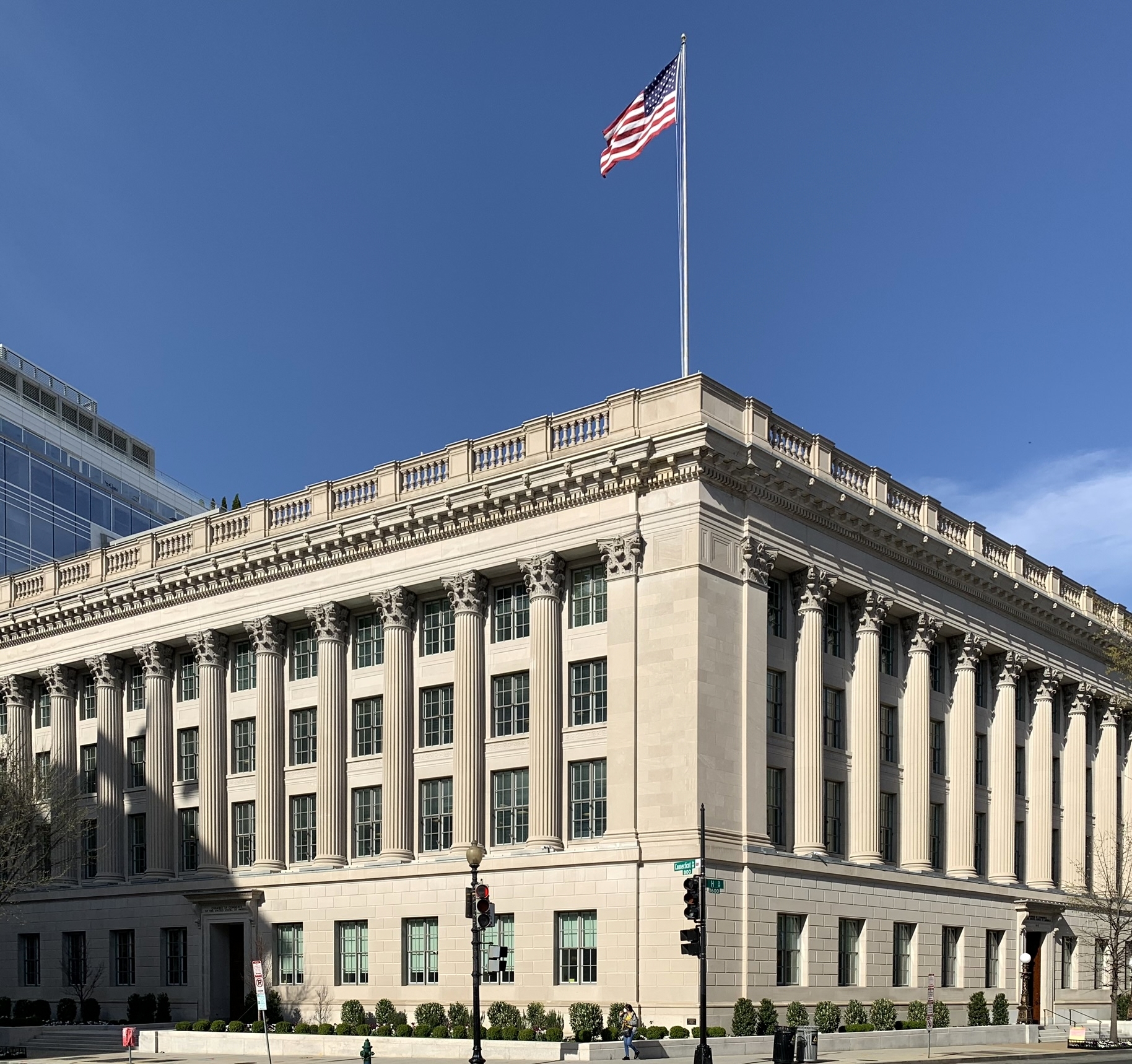
Headquartered in Washington, D.C., directly across Lafayette Square from the White House, The U.S. Chamber of Commerce is the largest business advocacy group and lobbying entity on Earth. Operating as a private, non-profit trade association rather than a government agency, it aggregates the political capital and financial clout of major multinational corporations, financial conglomerates, fossil fuel entities, and regional commercial associations.
While its public messaging emphasizes supporting small businesses, its billions of dollars in federal lobbying spend, aggressive courtroom litigation, and strategic electoral advocacy primarily serve the interests of massive corporate entities. For everyday citizens and environmental advocates trying to build a sustainable, equitable world, understanding how The U.S. Chamber of Commerce operates is essential for understanding why systemic change often feels so difficult to achieve.
1. What Is The U.S. Chamber of Commerce?
A common point of public confusion is the official-sounding name of The U.S. Chamber of Commerce. Despite what its title implies, it is not a department, bureau, or regulatory arm of the United States federal government. It is a completely private 501(c)(6) trade organization.
Because it operates independently of government oversight, The U.S. Chamber of Commerce can lobby lawmakers on Capitol Hill, file lawsuits against federal regulatory agencies, and fund political campaign ads without public accountability. It represents millions of enterprises indirectly through its network, but its inner direction and national advocacy agenda are driven by its board of directors and major corporate donors.
The Crucial Distinction: Local Chambers vs. National Powerhouse
It is vital to distinguish between national lobbying entities and your city’s local chamber of commerce.
- Local and State Chambers: Independent community organizations focusing on regional economic development, downtown revitalization, local networking events, and municipal tourism.
- The U.S. Chamber of Commerce: A national federal lobbying powerhouse focused on federal legislation, executive branch rulemakings, international trade agreements, and Supreme Court litigation.
While local chambers can choose to become members of the national federation, they operate autonomously. A local town chamber has no direct control over the national group’s multi-million-dollar federal lobbying platform, nor does the national body dictate local civic agendas.
To explore the national organization’s official statements and program offerings directly, visit The U.S. Chamber of Commerce Main Portal.
2. The Four Pillars of Corporate Influence

To understand how The U.S. Chamber of Commerce influences public policy, we must examine its four main operational strategies. Each strategy targets a specific branch of government or public domain.
Pillar 1: Federal Lobbying and Congressional Advocacy
The U.S. Chamber of Commerce consistently ranks as the single top spender on federal lobbying in the United States, having deployed over $2 billion in lobbying funds over recent decades. Its team of registered lobbyists works continuously with members of Congress and legislative staff to draft bills, introduce amendments, or derail regulations related to:
- Taxation: Pushing to permanently lower corporate tax rates and preserve international tax exemptions.
- Regulation: Opposing federal oversight from agencies like the Environmental Protection Agency (EPA), the Federal Trade Commission (FTC), and the Securities and Exchange Commission (SEC).
- Trade: Supporting global free-trade treaties and securing foreign market access for multinational corporations.
- Infrastructure: Advocating for federal transportation spending while pushing to streamline or bypass environmental impact reviews.
Pillar 2: Legal Battles in the Courts
When legislative lobbying fails to stop a regulation in Congress, The U.S. Chamber of Commerce turns to the judicial system. Through its specialized legal arm, the U.S. Chamber Litigation Center, the organization employs appellate attorneys to challenge federal administrative rules.
The Litigation Center files direct lawsuits against federal agencies to invalidate environmental caps, labor protections, and consumer safety rules. It also files strategic amicus curiae (“friend of the court”) briefs in Supreme Court and appellate cases to limit corporate liability and restrict regulatory agency power.
Pillar 3: Electoral Campaign Support
During national election cycles, The U.S. Chamber of Commerce uses its political action committees and advocacy funds to back congressional candidates—both Republicans and Democrats—who align with its pro-business legislative agenda. The group spends heavily on issue-advocacy advertisements, voter mobilization, and official campaign endorsements to ensure that business-friendly lawmakers hold key committee seats.
Pillar 4: Research and Business Digital Platforms
To maintain its standing as an economic authority, The U.S. Chamber of Commerce produces macroeconomic reports, employment indexes, and international trade studies. It also operates digital media hubs, such as CO— by the U.S. Chamber, which provide operational advice, tools, and growth guides to small business owners. This digital outreach allows the organization to build goodwill among small business communities while utilizing their stories in national political campaigns.
3. Specific Policy Battles: How Corporate Lobbying Directly Impacts Everyday Life

Abstract discussions about lobbying often mask the tangible ways these actions impact real people. When The U.S. Chamber of Commerce wins a legislative fight or court battle, the result directly affects worker pay, environmental safety, out-of-pocket healthcare costs, and digital privacy.
Examining specific policy initiatives reveals how corporate advocacy shapes daily life across America.
Labor Rights and Wage Suppression: The Non-Compete Battle
For tens of millions of workers, career growth depends on the freedom to take a higher-paying job at a rival company or launch an independent business. However, an estimated 30 million Americans are bound by non-compete clauses—contractual restrictions that prevent employees from working for competing businesses within a specific geographic area or timeframe. These clauses affect not just high-tech executives, but also healthcare workers, security guards, sandwich shop workers, and residential cleaners.
When the Federal Trade Commission (FTC) issued a historic nationwide rule banning non-compete clauses to restore labor market freedom, The U.S. Chamber of Commerce immediately filed a lawsuit in federal court to block the rule. The organization argued that the FTC exceeded its statutory authority under the FTC Act and that non-competes are essential for protecting corporate trade secrets.
By halting this ban in court, The U.S. Chamber of Commerce preserved a contractual mechanism that suppresses worker wage growth and restricts job mobility across the economy.
Climate Infrastructure and Environmental Protections
Human well-being is tied to ecological balance. Yet, when federal agencies move to regulate industrial pollution, protect water sources, or reduce carbon emissions, The U.S. Chamber of Commerce regularly opposes these environmental safeguards.
When the EPA drafted strict limits on greenhouse gas emissions from fossil fuel power plants and industrial facilities, The U.S. Chamber of Commerce lobbied against the rules and joined legal challenges to invalidate them. The organization argues that aggressive environmental regulations harm energy reliability and increase operational costs for manufacturers.
However, delaying emission reductions carries severe real-world costs:
- Public Health Burdens: Industrial emissions contribute to elevated rates of asthma, cardiovascular disease, and cancer in communities located near manufacturing corridors and power plants.
- Externalized Cleanup Costs: When regulations on toxic substances like PFAS (“forever chemicals”) are weakened, chemical manufacturers avoid paying for environmental remediation. Instead, local municipal water districts and taxpayers are forced to cover water filtration costs through higher utility bills.
- Slowing the Clean Transition: Protecting fossil fuel infrastructure delays investments in regional renewable energy grids, leaving communities vulnerable to climate disruptions and volatile fossil fuel prices.
To explore federal environmental data and agency regulations directly, consult the official portal of the U.S. Environmental Protection Agency.
Technology, Data Privacy, and AI Preemption
As artificial intelligence and digital tracking become embedded in everyday life, state legislatures in California, Colorado, and Texas have passed privacy laws giving citizens the right to opt out of data sales, audit biased hiring algorithms, and protect their biometric information.
In response, The U.S. Chamber of Commerce launched a nationwide technology agenda targeting state-level protections. The organization actively lobbies Congress to pass a federal privacy and AI framework that includes explicit federal preemption. Federal preemption would automatically void stronger state privacy laws and replace them with a weaker national standard.
Furthermore, their technology lobbying pushes to:
- Ban Private Right of Action: Prevent individual citizens from suing tech corporations directly when their personal data is leaked, mishandled, or misused in automated algorithms.
- Limit Data Minimization: Block federal rules that restrict how much personal data corporations can harvest from consumers for targeted advertising.
If these federal preemption efforts succeed, everyday citizens will lose local control over their personal data, workplace surveillance protections, and algorithmic fairness standards.
Consumer Finance and Hidden Fees
For working families struggling with everyday expenses, hidden bank charges, high credit card interest rates, and unexpected service fees create significant financial stress. When the Consumer Financial Protection Bureau (CFPB) moved to cap excessive credit card late fees and eliminate hidden “junk fees,” The U.S. Chamber of Commerce launched legal challenges to stop the agency.
The organization argued that capping penalty fees disrupts free-market pricing and restricts credit access for higher-risk consumers. However, blocking these consumer protections allows major financial institutions to continue extracting billions of dollars in fee revenue from low- and middle-income families every year.
To review consumer protection rules and financial oversight data, visit the Consumer Financial Protection Bureau.
4. The Co-Opting of Main Street: Corporate Agendas vs. Local Realities

A primary reason The U.S. Chamber of Commerce maintains significant political influence is its public messaging strategy. In policy papers, media campaigns, and Congressional testimony, the organization routinely positions itself as the defender of “Main Street America,” using images of local bakeries, independent hardware stores, and family farms to support its positions.
However, an analysis of its lobbying agenda reveals a clear disconnect between the needs of local small businesses and the priorities of national corporate lobbying.
When The U.S. Chamber of Commerce lobbies for massive corporate tax cuts, the primary financial benefits go to global conglomerates rather than local shops. Independent businesses rarely have offshore subsidiaries or tax teams to exploit complex tax codes. As a result, when federal corporate tax revenue declines, local municipalities often raise property taxes and sales taxes to cover basic public services—shifting the local tax burden onto small business owners and residents.
Furthermore, by opposing aggressive federal antitrust enforcement, The U.S. Chamber of Commerce helps shield major e-commerce platforms and big-box retailers from competition. This allows dominant corporations to undercut local independent businesses, extract wealth from rural and suburban towns, and funnel profits to out-of-state shareholders rather than reinvesting in the local community.
5. Systemic Interconnectedness: Rebuilding an Economy That Serves Life
An economic system does not exist in a vacuum; it is embedded within human society and the natural environment. When an economy prioritizes short-term corporate profit maximization above all else, the surrounding social and ecological systems begin to break down.
The lobbying strategy championed by The U.S. Chamber of Commerce relies on an outdated economic model—one that treats natural ecosystems as infinite sources of raw materials and worker protection rules as unnecessary operational burdens.
When corporate lobbies successfully block climate regulations, prevent labor market reforms, weaken consumer protections, and reduce corporate tax obligations, the real-world costs do not disappear. They are simply shifted onto the public in the form of:
- Higher healthcare bills from toxic environmental exposure.
- Stagnant household incomes that struggle to cover basic living expenses.
- Underfunded public infrastructure, schools, and emergency response services.
- Eroded digital privacy protections and unconstrained corporate data collection.
Building an equitable, sustainable future requires recognizing these interconnections. True economic health cannot be measured by corporate profit margins or stock indexes alone. An economy must be judged by how well it compensates its workforce, protects the public health of its communities, fosters fair local competition, and preserves the living ecosystems that sustain life on Earth.
Source References and External Resources
To explore the official filings, policy positions, and regulatory documentation referenced throughout this article, consult the following sources:
- Official Organizational Website: The U.S. Chamber of Commerce
- Legal Advocacy and Filings: U.S. Chamber Litigation Center
- Small Business Digital Hub: CO— Platform by The U.S. Chamber
- Technology Policy Priorities: U.S. Chamber CTEC Priorities
- Labor Regulations and Rulemakings: Federal Trade Commission Non-Compete Rule Overview
- Environmental Policy Data: U.S. Environmental Protection Agency
- Consumer Protection Initiatives: Consumer Financial Protection Bureau
Explore more from Interconnected Earth:
World Events: https://interconnectedearth.com/category/world-events/
Mental Health: https://interconnectedearth.com/category/mental-health/
Climate Change: https://interconnectedearth.com/category/climate-change/
Technology: https://interconnectedearth.com/category/technology/
Philosophy: https://interconnectedearth.com/category/philosophy/