

Economic recessions are often described through statistics. GDP contracts. Unemployment rises. Stock markets fluctuate. Inflation accelerates or slows. Yet beneath every economic chart lies a profoundly human story.
Recessions alter how people think, what they fear, whom they trust, and how they spend their money. They reshape communities and redefine priorities. They influence mental health, family dynamics, labor markets, and political landscapes. They determine which industries thrive and which collapse. They expose vulnerabilities that may have been hidden during periods of prosperity.
As the world navigates growing geopolitical tensions, technological disruption, persistent inequality, and the accelerating integration of artificial intelligence into daily life, understanding the psychology of consumer behavior during economic downturns has become increasingly important.
This is not simply about preparing for the next recession. It is about understanding what recessions reveal about us.
Why Consumer Behavior Changes During Recessions

Money is emotional.
Behavioral economists have long demonstrated that human beings do not make perfectly rational financial decisions. Instead, we are heavily influenced by fear, uncertainty, social pressures, and cognitive biases.
During recessions, several psychological shifts become particularly pronounced:
Loss aversion intensifies
People experience the pain of losses more strongly than the pleasure of equivalent gains.
The possibility of losing a job, depleting savings, or falling behind financially can cause consumers to dramatically reduce spending, even before their own finances are directly affected.
People begin asking:
- What if things get worse?
- What if I cannot replace this income?
- What if I need these resources later?
This often leads to precautionary saving.
Security becomes more valuable than status
During economic expansions, consumers frequently spend to express identity and social standing.
During recessions, priorities shift toward stability.
Needs begin to outweigh wants.
Consumers may choose:
- repairing instead of replacing,
- cooking at home instead of dining out,
- generic brands instead of premium products,
- local entertainment instead of expensive travel.
The desire for control becomes stronger.
Mental health suffers under financial uncertainty

Financial stress is consistently associated with anxiety, depression, sleep disturbances, and relationship strain.
Research has repeatedly linked unemployment and economic insecurity with declining psychological wellbeing.
Economic instability does not merely affect bank accounts. It alters how people think about the future itself.
Which Industries Thrive During Recessions?
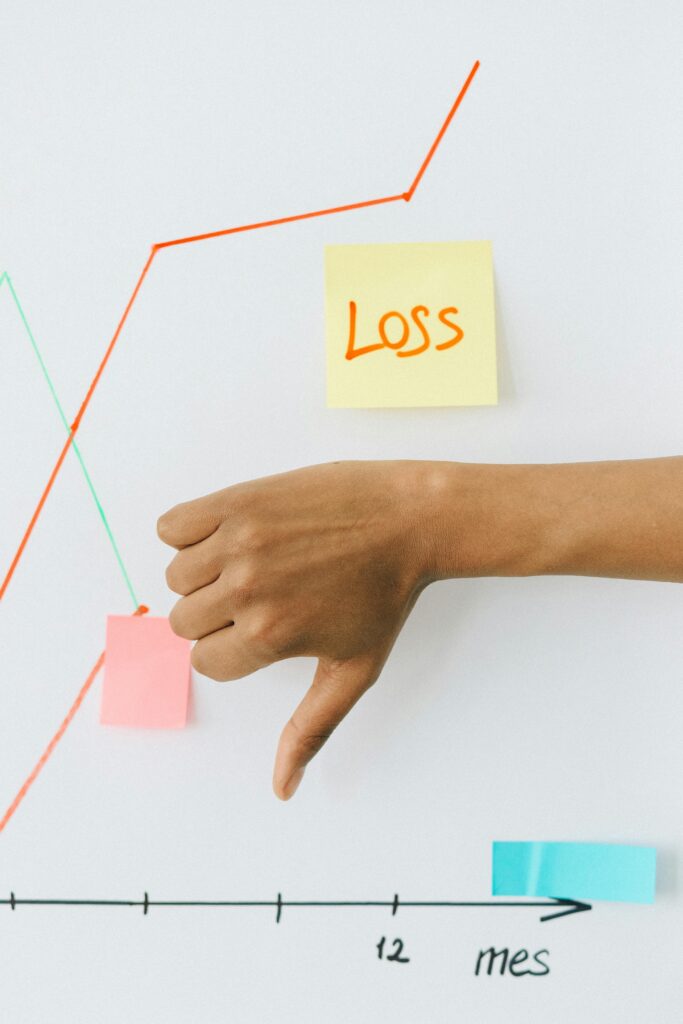
Contrary to popular belief, recessions do not harm everyone equally.
Some industries remain resilient or even grow.
Discount retailers
Consumers still need necessities.
They simply seek lower prices.
Companies that emphasize affordability often perform well during downturns.
Dollar stores, secondhand markets, warehouse clubs, and discount grocery chains frequently benefit from consumer belt tightening.
Repair services
When replacement becomes unaffordable, maintenance gains importance.
Industries involving:
- automotive repair,
- appliance repair,
- home maintenance,
- electronics servicing,
often experience increased demand.
Mental health services
Economic hardship frequently increases demand for counseling, therapy, and psychological support.
Financial anxiety can amplify existing vulnerabilities.
Communities with accessible mental healthcare infrastructure may prove more resilient.
Education and retraining
Periods of unemployment often motivate people to pursue new skills.
Historically, recessions have led many workers back into educational programs aimed at improving employability.
The modern version increasingly includes digital skills and AI literacy.
Certain technology sectors
Technology does not disappear during recessions.
Instead, organizations often invest in tools that reduce costs and improve efficiency.
This may include:
- automation,
- cloud infrastructure,
- cybersecurity,
- AI-assisted productivity tools.
The relationship between recession and technology is therefore complicated.
Which Industries Often Struggle?

Some sectors depend heavily on discretionary spending.
These industries can face significant challenges.
Luxury goods
High-end purchases frequently decline when uncertainty rises.
Even affluent consumers may delay major expenditures during unstable periods.
Hospitality and tourism
Travel often becomes one of the first expenses households reduce.
Hotels, airlines, and tourism-related businesses can experience sharp declines.
Entertainment sectors dependent on large expenditures
Consumers may still seek enjoyment during recessions, but they often favor lower-cost alternatives.
Streaming subscriptions may survive.
Expensive outings may not.
Housing and construction
Rising borrowing costs and economic uncertainty can reduce home purchases and delay development projects.
Construction employment can become particularly vulnerable.
Who Profits During Economic Downturns?
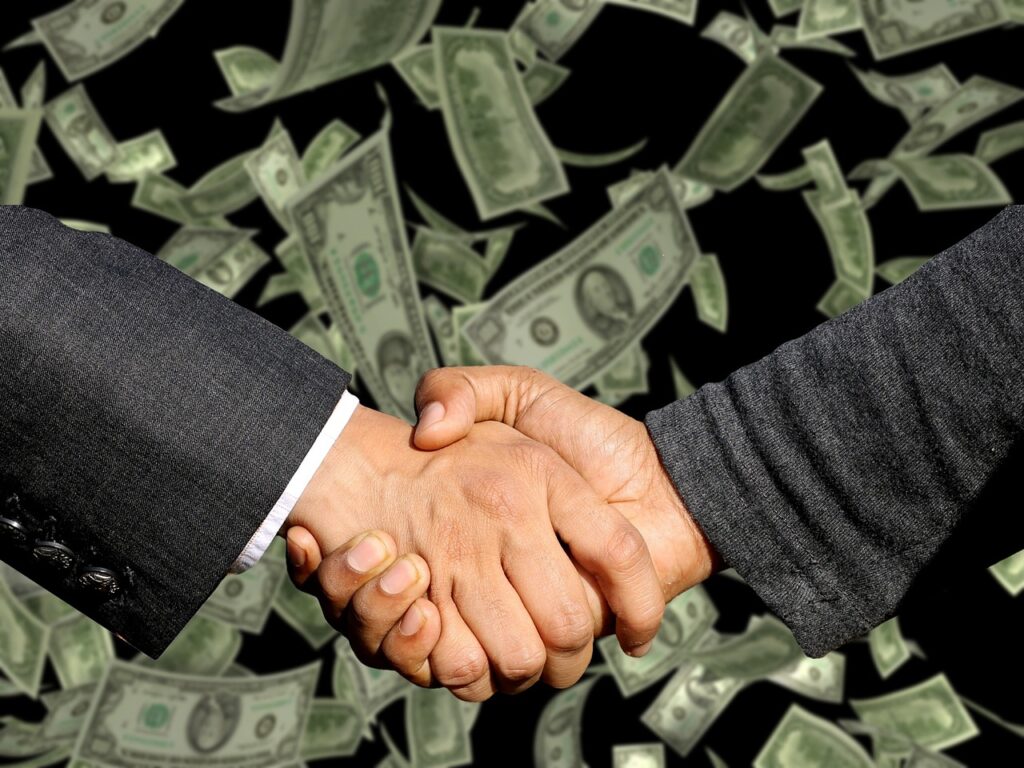
This question is uncomfortable, but important.
Recessions redistribute opportunity as well as hardship.
Historically, individuals and institutions with substantial resources have often been positioned to acquire distressed assets.
During downturns, wealth can purchase:
- discounted real estate,
- undervalued stocks,
- struggling businesses,
- market share.
Meanwhile, those living paycheck to paycheck may be forced to liquidate assets simply to survive.
This dynamic contributes to the widening wealth gaps observed after many economic crises.
The aftermath of the Great Depression demonstrated both the devastating human consequences of economic collapse and the opportunities created for those with access to capital.
Economic pain is rarely distributed evenly.
Who Works the Hardest?
During recessions, many essential workers experience increased pressure.
Often, they receive relatively little recognition.
These workers may include:
- healthcare professionals,
- social workers,
- educators,
- grocery employees,
- delivery workers,
- utility personnel,
- caregivers.
At the same time, layoffs can increase workloads for remaining employees across industries.
Workers frequently face expectations to produce more with fewer resources.
The psychological consequences may include:
- burnout,
- emotional exhaustion,
- cynicism,
- decreased morale.
Economic contractions are labor stories as much as financial ones.
The World Events That Brought Us Here
Technically we are not yet in a recession, however recessions rarely emerge from a single cause.
Instead, they develop through interacting pressures.
The global economy entering the mid-2020s experienced several overlapping disruptions.
These included:
- lingering consequences of the COVID-19 pandemic,
- supply chain instability,
- inflationary pressures,
- aggressive interest rate adjustments,
- geopolitical conflicts,
- rising public debt,
- trade fragmentation,
- rapid technological transformation.
The International Monetary Fund has warned that ongoing geopolitical tensions and economic fragmentation increase downside risks to global growth. The organization has emphasized that conflict, elevated debt levels, and uncertainty surrounding AI-driven productivity gains could destabilize future economic conditions.
Economic environments are ecosystems.
Stress in one area often spreads into others.
How Artificial Intelligence Could Shape the Next Recession
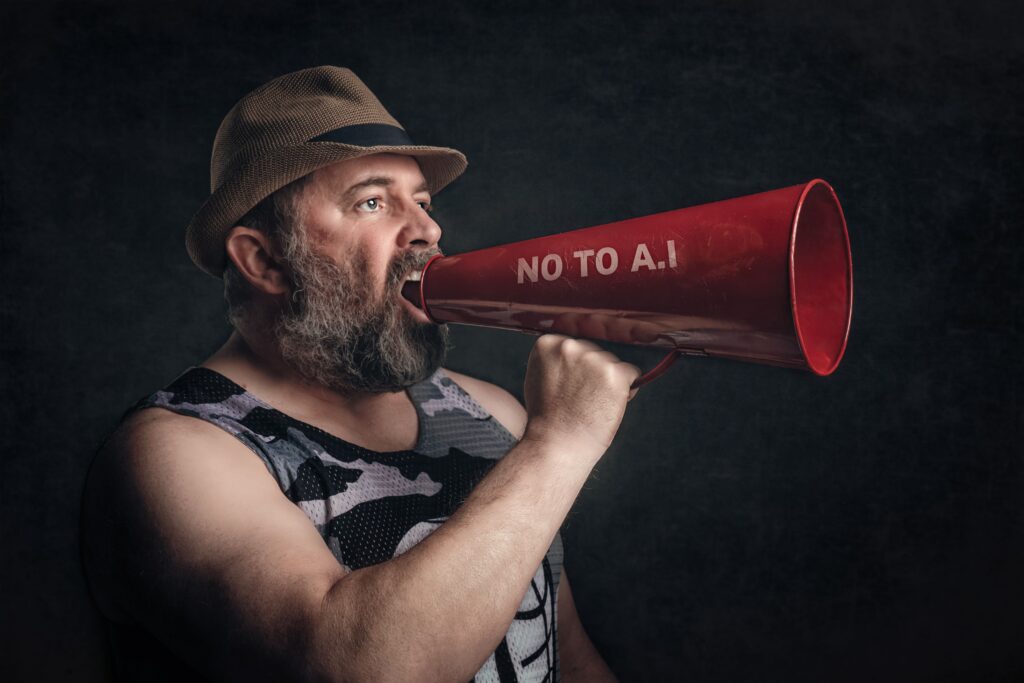
AI may become one of the defining variables of the next economic downturn.
But its effects remain uncertain.
AI could improve productivity
Organizations increasingly deploy AI to:
- automate repetitive tasks,
- improve customer service,
- analyze data more efficiently,
- optimize operations.
If these productivity gains are substantial, businesses may weather economic slowdowns more effectively.
AI could accelerate labor disruption
Some occupations face higher exposure to automation than others.
Clerical roles and certain administrative functions appear particularly vulnerable.
The World Economic Forum has noted that AI is expected to transform labor markets substantially, creating new roles while reducing demand for others. Reskilling efforts will likely determine whether workers benefit from or are harmed by this transition.
The benefits may not be equally distributed
Historically, technological revolutions have increased productivity while also producing periods of dislocation.
Workers without access to training may struggle.
Communities dependent upon vulnerable industries may face disproportionate impacts.
Those with capital and technological expertise may benefit significantly.
The question is not whether AI will affect the economy.
It is whether societies can adapt quickly enough to ensure those benefits are broadly shared.
The Psychology of Scarcity
Recessions narrow attention.
Psychologists refer to this phenomenon as a scarcity mindset.
When resources feel limited, people often focus intensely on immediate survival concerns.
Long-term planning becomes more difficult.
Decision fatigue increases.
Impulsivity can sometimes rise despite financial constraints.
This mindset can contribute to cycles of disadvantage.
When every decision feels urgent, strategic thinking becomes harder.
Communities experiencing chronic economic stress frequently encounter additional barriers to recovery.
Understanding these psychological effects is essential when designing policies intended to support resilience.
Protecting Yourself Financially

No strategy guarantees immunity from recession.
However, certain practices can improve adaptability.
Build emergency savings
Even modest reserves can provide breathing room during unexpected disruptions.
The goal is flexibility rather than perfection.
Diversify skills
Continuous learning increasingly functions as economic insurance.
Skills involving:
- communication,
- critical thinking,
- technological literacy,
- adaptability,
remain valuable across changing environments.
Avoid high-interest debt when possible
Debt can amplify vulnerability during periods of income instability.
Reducing financial obligations may improve resilience.
Strengthen social networks
Isolation increases risk.
Supportive relationships often become essential sources of practical and emotional assistance.
Communities matter.
Protecting Your Community
Individual preparation is important.
Collective resilience may be even more powerful.
Communities can strengthen themselves through:
- supporting local businesses,
- sharing resources,
- expanding food security initiatives,
- improving access to mental healthcare,
- advocating for workforce development programs,
- encouraging financial literacy education.
Social trust frequently determines how effectively communities navigate crises.
People survive hardship more successfully when they believe others will help them.
What Recessions Reveal About Society
Economic downturns expose underlying structures.
They reveal:
- who possesses buffers against hardship,
- whose labor sustains daily life,
- which institutions command trust,
- how inequality shapes opportunity.
They also reveal strengths.
Communities often demonstrate remarkable creativity and solidarity during difficult periods.
Neighbors support neighbors.
Mutual aid networks emerge.
People rediscover the importance of relationships that cannot be measured by financial indicators.
Looking Beyond Fear
Consumer psychology during recessions reflects something deeply human.
People seek safety.
They attempt to regain control.
They protect those they love.
Sometimes these instincts lead to generosity.
Sometimes they contribute to division.
The challenge facing modern societies extends beyond managing economic cycles.
It involves building systems that preserve dignity during periods of instability.
Technology, including AI, may become either a tool of resilience or another force widening existing inequalities.
The outcome will depend upon choices made by governments, businesses, communities, and individuals.
Recessions eventually end.
What matters is who emerges stronger, who is left behind, and what lessons are carried forward into whatever comes next.
Economic history suggests that downturns are not merely financial events.
They are moments of social reflection.
They force societies to ask difficult questions about value, work, fairness, and collective responsibility.
How we answer those questions may determine whether the next recession becomes merely another crisis or an opportunity to build something more resilient than what existed before.
Sources
- International Monetary Fund. World Economic Outlook, April 2026: Global Economy in the Shadow of War
https://www.imf.org/en/publications/weo/issues/2026/04/14/world-economic-outlook-april-2026 - International Monetary Fund Blog. War Darkens Global Economic Outlook and Reshapes Policy Priorities
https://www.imf.org/en/blogs/articles/2026/04/14/war-darkens-global-economic-outlook-and-reshapes-policy-priorities - Brookings Institution. The Decline and Recovery of Consumer Spending in the US
https://www.brookings.edu/articles/the-decline-and-recovery-of-consumer-spending-in-the-us/ - World Economic Forum. The Real Economics of AI and Jobs
https://www.weforum.org/stories/2026/02/the-real-economics-of-ai-and-jobs/ - World Economic Forum. Technology Will Take Our Jobs? We’ve Heard That One Before
https://www.weforum.org/stories/2026/02/ai-technology-jobs-skills/ - World Economic Forum. These Are the Jobs Most Likely to Be Lost and Created Because of AI
https://www.weforum.org/agenda/2023/05/jobs-lost-created-ai-gpt/ - Occhipinti, J. et al. The Recessionary Pressures of Generative AI: A Threat to Wellbeing
https://arxiv.org/abs/2403.17405
Relevant Interconnected Earth categories:
World Events: https://interconnectedearth.com/category/world/
Technology: https://interconnectedearth.com/category/technology/
Mental Health: https://interconnectedearth.com/category/mental-health/