
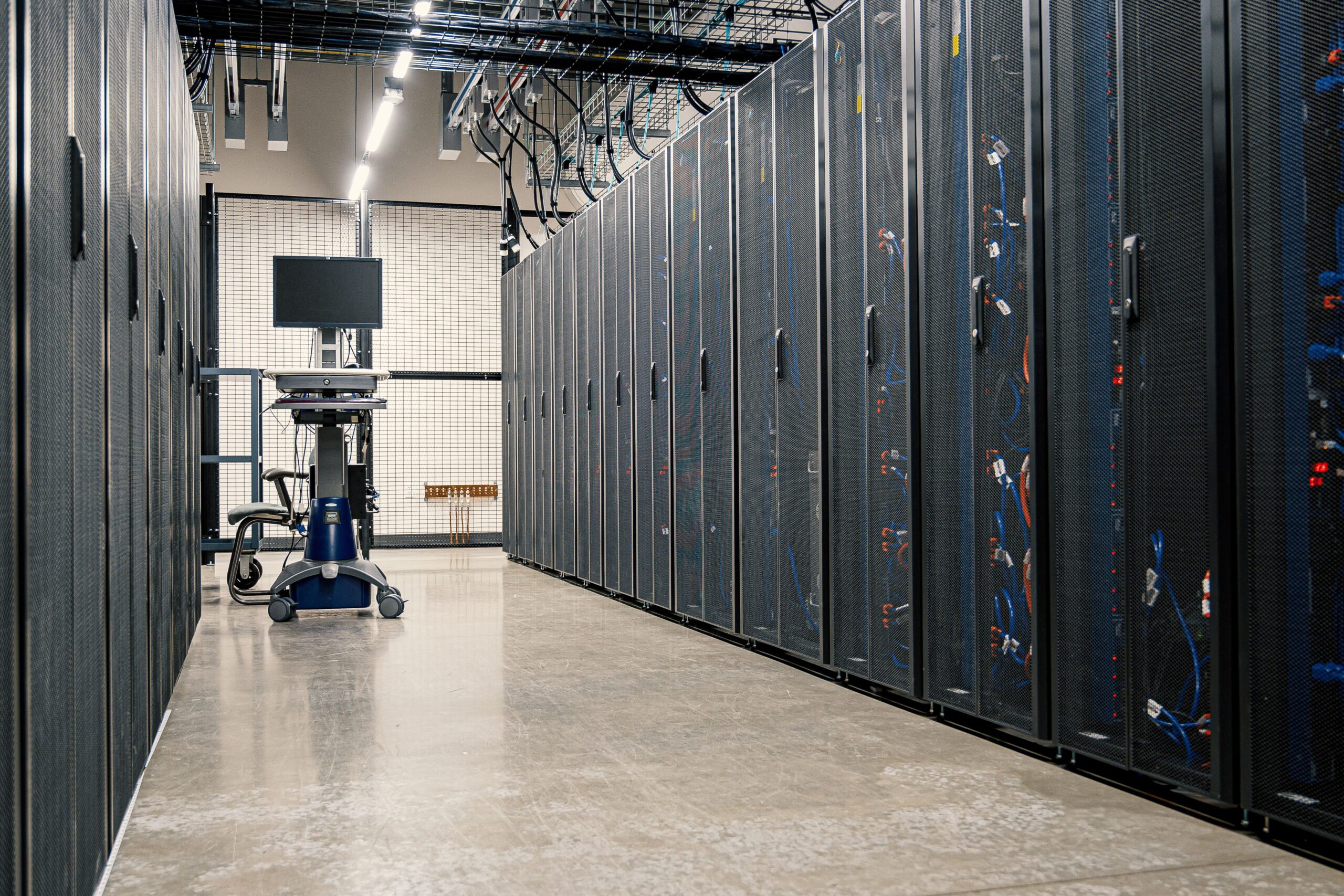
Every photo uploaded to the cloud, every video streamed, every online purchase completed, and every question asked of an AI assistant relies on a vast physical infrastructure that most people never see. Data centers, the warehouses of the digital age, have become essential to modern life. They power social media platforms, banking systems, hospitals, government services, scientific research, and increasingly, artificial intelligence.
They are often described as part of a “virtual” world. Yet there is very little that is virtual about them.
Data centers require enormous amounts of electricity, significant quantities of water for cooling, extensive construction materials, and continual upgrades to keep pace with growing digital demands. As societies become more dependent on cloud computing and AI technologies, the environmental footprint of this infrastructure is becoming increasingly difficult to ignore.
Understanding these costs is not about rejecting technology. It is about recognizing that even the most advanced innovations exist within ecological systems with finite resources. The digital world is not separate from the physical world. It is deeply intertwined with it.
The Physical Reality Behind the Cloud

The phrase “the cloud” creates the impression that our digital activities float weightlessly through cyberspace. In reality, the cloud consists of millions of servers housed within enormous facilities spread across the globe.
These facilities process, store, and transmit staggering amounts of information every second.
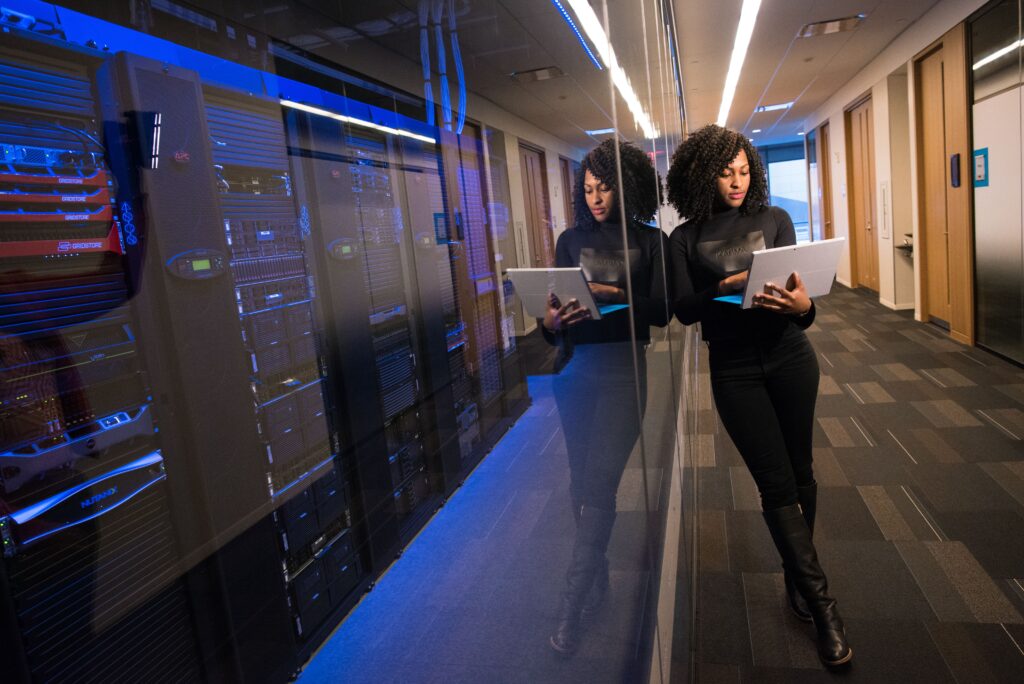
Data centers contain rows upon rows of servers operating continuously. Those servers generate heat. To prevent overheating and equipment failure, cooling systems must operate around the clock. Backup generators, networking equipment, security systems, and electrical infrastructure all contribute to the overall resource demands of these facilities.
As internet use has expanded over the past two decades, so too has the number and size of data centers. The recent boom in artificial intelligence has accelerated this trend dramatically.
According to the International Energy Agency, expanding data center infrastructure is now among the major drivers of rising electricity demand in advanced economies. In the United States, data centers are expected to account for approximately half of the country’s electricity demand growth through 2030.
Source: International Energy Agency: Electricity 2026 Report
This raises an important question: what exactly is the environmental cost of sustaining our increasingly digital world?
Electricity Consumption on an Extraordinary Scale
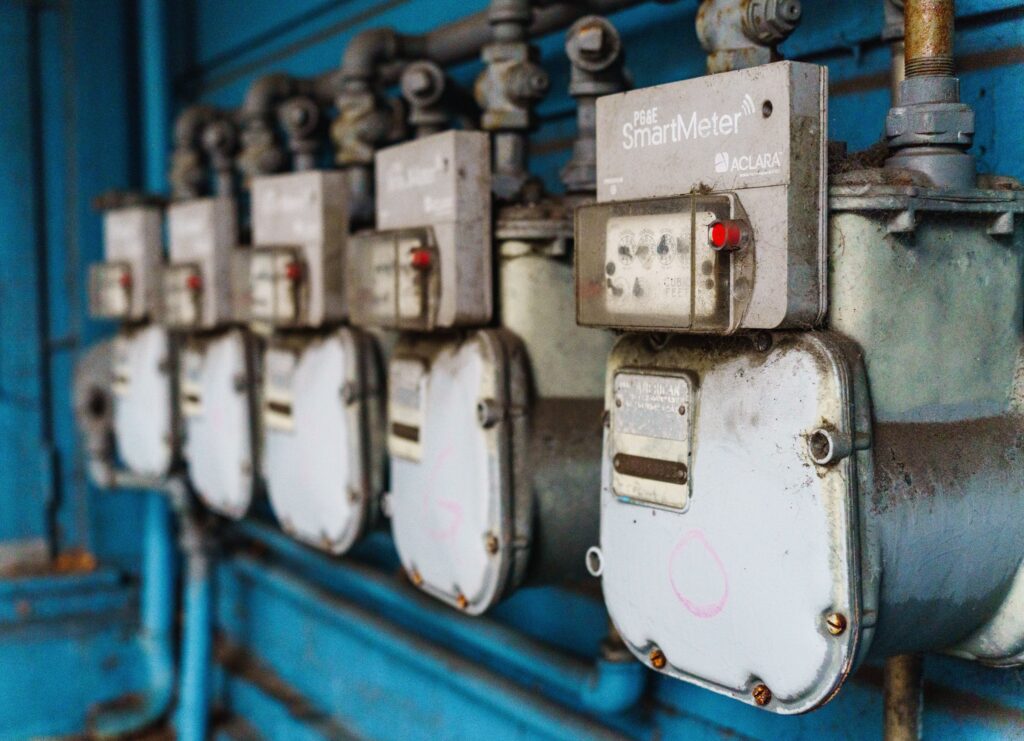
Electricity is perhaps the most visible environmental concern associated with data centers.
Individual hyperscale facilities can consume as much electricity as small cities. When thousands of these facilities operate simultaneously, the cumulative impact becomes substantial.
The International Energy Agency notes that electricity demand in advanced economies is rising again after years of stagnation, driven in part by expanding data center operations and AI applications.
Source: International Energy Agency: Electricity 2026 Overview
The implications extend beyond simple consumption figures.
When new data centers are built, local electrical grids may require upgrades. Utilities may need to expand generation capacity. In regions where fossil fuels still dominate electricity production, increased demand can translate directly into higher greenhouse gas emissions.
Even in areas transitioning toward renewable energy, rapid increases in demand can outpace clean energy deployment.
The challenge is not merely that data centers use electricity. It is that they use electricity continuously.
Unlike many industrial activities that fluctuate with production schedules, servers often operate twenty-four hours a day, seven days a week. Digital infrastructure has become part of the baseline demand that modern societies expect to be available at all times.
Artificial Intelligence and the New Era of Energy Demand

The rise of artificial intelligence has intensified concerns about data center sustainability.
Training large AI models requires extensive computational resources. Serving millions of user requests afterward also consumes energy, though generally less than the initial training process.
The International Energy Agency reported that investments in data center infrastructure surged in response to AI development, with capital expenditures among major technology firms increasing dramatically in recent years.
Source: IEA: Data Centre Electricity Use Surged in 2025
At the same time, it is important to avoid simplistic narratives.
AI is not solely responsible for data center growth. Streaming services, cloud storage, e-commerce, financial systems, healthcare applications, and countless other digital activities all contribute to rising computational demand.
The environmental discussion becomes more productive when framed as a broader examination of digital consumption patterns rather than focusing exclusively on one technology.
Just as societies eventually began questioning the environmental consequences of transportation systems, industrial agriculture, and consumer goods production, similar questions are emerging about digital infrastructure.
The Water Problem Few People Discuss
Electricity tends to dominate headlines, but water consumption represents another significant environmental concern.
Servers generate heat, and cooling systems are essential to maintaining safe operating temperatures. Many facilities use evaporative cooling methods that rely on substantial quantities of water.
In regions already experiencing drought conditions or water stress, this can create tension between community needs and industrial development.
Recent reporting found that Amazon’s data center operations consumed billions of gallons of water globally, even as the company emphasized improvements in efficiency.
Source:
Water use varies considerably depending on location, climate conditions, cooling technologies, and operational practices.
Some facilities increasingly employ recycled wastewater rather than potable drinking water. Others utilize closed-loop cooling systems designed to reduce overall consumption.
However, the broader issue remains.
As climate change alters precipitation patterns and intensifies drought risks in many regions, water availability may become a more significant factor in determining where future data centers can be built.
Digital infrastructure planning is therefore becoming intertwined with water management strategies.
Construction Has an Environmental Footprint Too
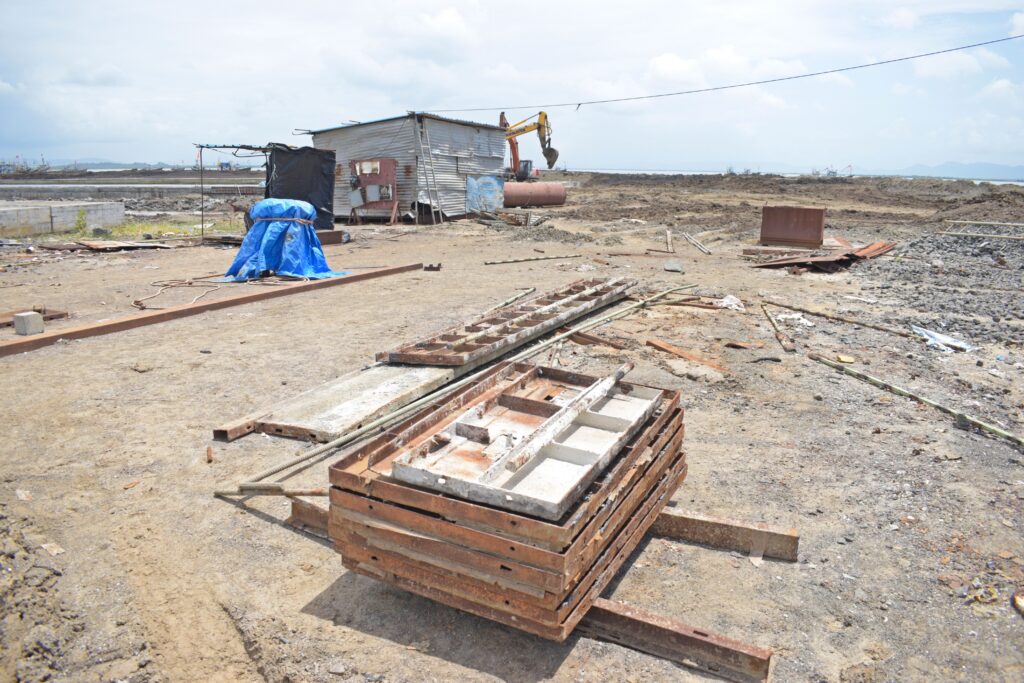
Environmental discussions often focus exclusively on operational impacts while overlooking construction-related emissions.
Building a large-scale data center requires concrete, steel, electrical equipment, cooling systems, land development, and transportation networks.
Concrete production alone accounts for a notable share of global carbon emissions.
The extraction of raw materials necessary for servers and supporting technologies introduces additional environmental considerations, including mining impacts and resource depletion.
Then there is the question of hardware turnover.
As processors become obsolete or insufficient for emerging computational demands, older equipment must be replaced. While recycling initiatives have improved, electronic waste remains a growing global challenge.
Data centers are not simply buildings that appear fully formed and operate indefinitely.
They represent ongoing material flows embedded within larger industrial systems.
Regional Inequalities and Local Consequences
The benefits of digital technologies are distributed globally, but many environmental burdens remain localized.
Communities hosting data centers may experience increased pressure on water supplies, expanded energy infrastructure requirements, noise pollution from cooling systems, and changes in land use patterns.
In some regions, residents have raised concerns about whether the economic benefits associated with data center development justify the environmental trade-offs.
Employment opportunities generated by highly automated facilities may be relatively limited compared to other forms of industrial development.
This does not mean that data centers are inherently harmful to local communities.
Rather, it highlights the importance of transparent planning processes that account for community priorities alongside economic objectives.
Environmental justice discussions increasingly include digital infrastructure precisely because these facilities reshape local environments while supporting global networks.
Can Renewable Energy Solve the Problem?
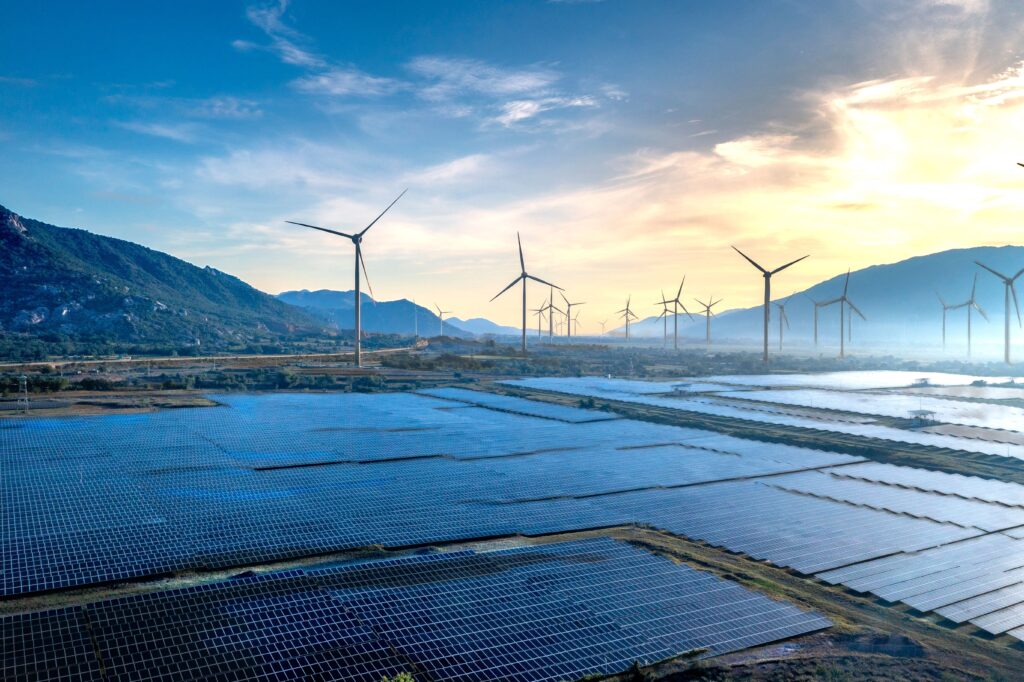
Many major technology companies have committed to ambitious sustainability targets.
Investments in solar farms, wind projects, battery storage systems, and carbon-free electricity procurement have become central components of corporate environmental strategies.
These efforts matter.
Transitioning data centers toward cleaner energy sources can significantly reduce operational emissions.
Yet renewable energy alone may not fully resolve the challenge.
If electricity demand continues growing faster than renewable deployment, fossil fuel generation can remain part of the overall energy mix.
Additionally, renewable technologies themselves require land, materials, manufacturing processes, and transmission infrastructure.
Sustainability rarely involves a single solution.
Instead, meaningful progress often emerges through combinations of efficiency improvements, policy frameworks, technological innovation, and behavioral change.
Efficiency as an Environmental Strategy
One of the most promising avenues for reducing environmental impacts involves improving efficiency.
Data center operators increasingly measure performance using metrics such as Power Usage Effectiveness (PUE), which assesses how efficiently facilities utilize electricity.
Advances in cooling technologies, server design, workload optimization, and software engineering have contributed to lower resource consumption per unit of computation.
These gains are significant.
However, they also illustrate a phenomenon known as the rebound effect.
When technologies become more efficient, reduced costs can stimulate increased use.
Streaming becomes more accessible. Cloud services expand. AI applications proliferate.
Efficiency improvements remain essential, but they may not automatically reduce total environmental impacts if overall demand continues rising rapidly.
The same dynamic has appeared throughout industrial history.
More efficient automobiles did not eliminate transportation emissions. More efficient lighting did not necessarily reduce total electricity consumption.
Technology shapes behavior, and behavior influences environmental outcomes.
Rethinking Digital Consumption
Environmental conversations often emphasize individual responsibility.
Recycle more. Drive less. Consume differently.
The digital economy complicates these frameworks because the environmental consequences of online activities are largely invisible.
Watching a video does not feel resource-intensive.
Uploading photographs to cloud storage does not resemble traditional consumption.
Submitting an AI prompt takes only seconds.
Yet behind each interaction exists an extensive infrastructure network requiring energy, materials, water, and maintenance.
This does not imply that individuals should experience guilt for participating in modern digital life.
Instead, greater awareness may encourage broader discussions about how societies design technological systems.
Questions worth considering include:
- How can digital services be designed more efficiently?
- What regulatory frameworks should guide infrastructure expansion?
- How can communities participate meaningfully in siting decisions?
- What balance should exist between innovation and environmental stewardship?
These are collective questions rather than purely individual ones.
The Future of Digital Sustainability

Data centers will almost certainly remain foundational to twenty-first century societies.
Healthcare systems depend on digital records.
Scientific research relies upon computational analysis.
Education increasingly incorporates online resources.
Economic activity has become deeply integrated with cloud-based platforms.
The goal, therefore, is not technological retreat.
It is thoughtful development.
Future progress may involve more efficient hardware, expanded renewable energy integration, advanced cooling systems, stronger transparency requirements, improved electronic waste management, and more resilient electrical grids.
Equally important is recognizing that technological progress is not environmentally neutral.
Every innovation carries trade-offs.
Acknowledging those trade-offs allows societies to make more informed decisions about the futures they wish to build.
The digital revolution has transformed how humans communicate, work, learn, and create. Yet it has not suspended ecological realities.
The servers powering our increasingly connected world remain grounded in landscapes, electrical grids, water systems, and material economies.
The environmental cost of data centers reminds us of something Interconnected Earth explores repeatedly: no system exists in isolation.
The convenience of digital life depends upon physical infrastructures that shape ecosystems, communities, and climate outcomes.
Understanding those connections does not diminish the value of technology.
It simply invites a more honest conversation about what sustainability means in an age increasingly defined by invisible machines doing visible work.
Sources
- International Energy Agency: Electricity 2026 Report
- International Energy Agency: Electricity Demand Analysis 2026
- IEA: Data Centre Electricity Use Surged in 2025
- Reuters reporting on projected U.S. electricity demand growth linked to AI and data centers.
- Reporting on data center water consumption trends and transparency initiatives.
Interested in exploring how technology intersects with society, climate, and human wellbeing? Visit Interconnected Earth’s technology section: https://interconnectedearth.com/category/technology/
For more discussions about environmental systems and climate-related challenges, explore: https://interconnectedearth.com/category/climate/
Because understanding our world means understanding how its systems connect.