The Loss of Shared Reality
This fragmentation changes politics, labor, climate action, mental health, relationships, and economics. It affects how communities form and how they collapse. It affects how art is made and consumed.
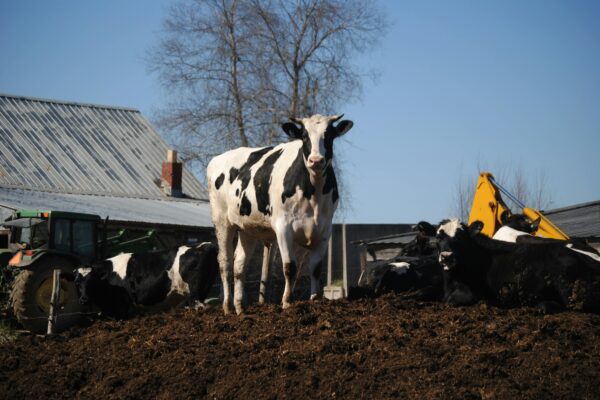
For most of human history, cow poop or other animal manure was not considered “waste” in the modern sense. It was part of a cycle. Animals grazed near farms, their manure fertilized crops, crop leftovers fed animals again, and nutrients moved through local ecosystems in relatively small loops. Today, industrial meat production has broken much…
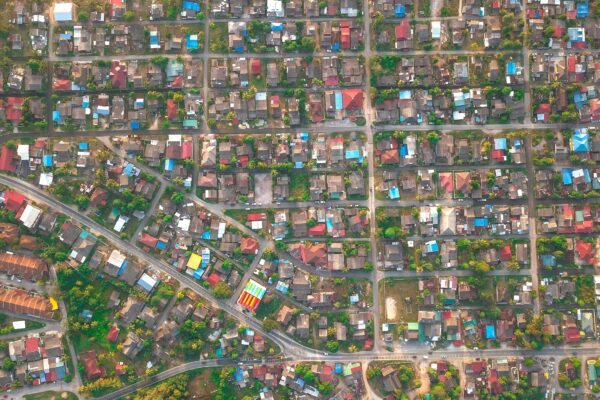
For decades, many economists, developers, and governments operated under a basic assumption: populations would continue growing. More people would need more homes. Cities would expand. Suburbs would sprawl outward. Apartment towers would rise. Housing demand would keep climbing.
There is a psychological contract that exists inside every society. Most people never sign it formally, but they believe in it deeply: if you work hard, follow the rules, and contribute to society, there should be at least some degree of fairness in return. The moment that contract begins to break down, the effects ripple…
The modern information economy presents itself as endless. Millions of websites exist. Thousands of news sources compete for attention. Social media creates the feeling that every voice can be heard and every perspective can find an audience. Yet beneath this appearance of diversity lies a reality that has become increasingly difficult to ignore: much of…
There is a growing feeling across modern society that people are becoming interchangeable. Employees feel replaceable at work. Creators feel replaceable online. Friends feel replaceable in social circles shaped by algorithms and constant digital access. Even romantic relationships increasingly feel disposable in systems built around endless options and infinite scrolling. Many people struggle to describe…
Many people now describe dating apps with the same language used for work platforms: exhausting, addictive, transactional, emotionally draining, and designed to keep users engaged rather than fulfilled.
A $5 t-shirt. A $20 coffee maker. A couch that barely survives two years. A phone charger that stops working after a month. Modern consumer culture is built around the idea that cheaper is better, faster is smarter, and convenience matters more than durability. Across nearly every industry, products have become less expensive and more…
Water scarcity is no longer a distant environmental warning. It is becoming a defining economic, political, technological, and humanitarian issue of the 21st century. Across the world, rivers are shrinking, aquifers are being depleted faster than they can recharge, glaciers are retreating, and climate instability is disrupting rainfall patterns that civilizations have depended on for…
Climate anxiety is defined as “a chronic fear of environmental doom.” When the world around us is constantly impacted this anxiety makes sense.