

A System Under Pressure: Why the Surge in Warehouse Fires and Public Anger Feels Predictable
In recent weeks, a pattern has emerged that many are calling alarming, but for others, it feels inevitable.
In recent weeks, a pattern has emerged that many are calling alarming, but for others, it feels inevitable.
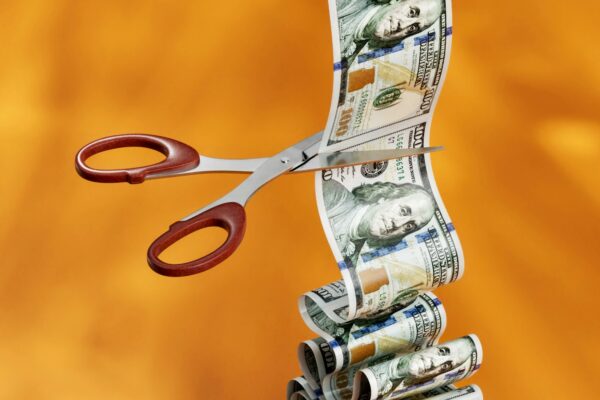
Passed in 2017, the TCJA was framed as a broad economic stimulus. Corporate taxes fell, certain deductions expanded, and investment incentives multiplied. But in practice, the law did something more specific and more consequential than many expected.
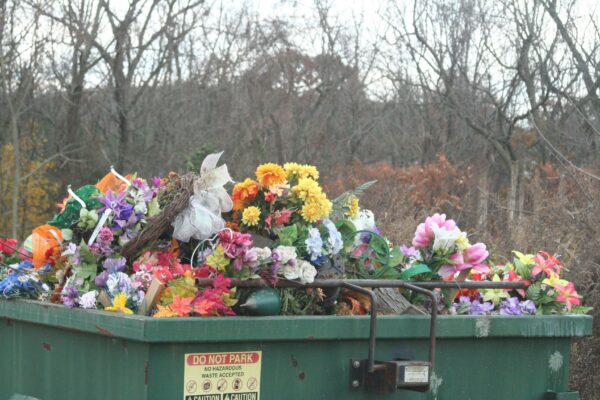
Dumpster diving has always existed. It has always been part of the system, not outside of it. A behavior that emerges naturally when usable goods are discarded and people are aware of it.
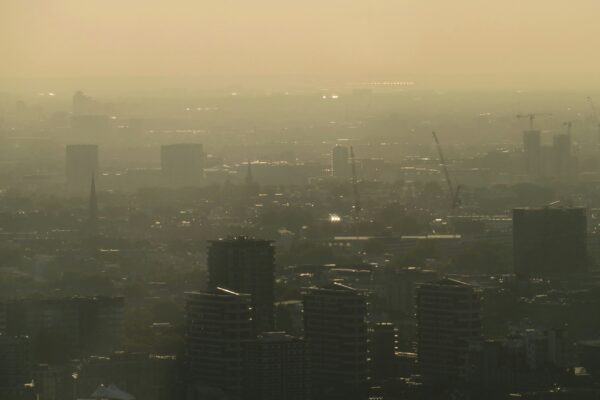
To understand why air quality feels like it is worsening, even after decades of improvement, we need to examine the full system that produces it now.

Stress, burnout, and fatigue are rising to unprecedented levels in 2026, with search data showing record highs for terms like “feel overwhelmed,” “burnout at work,” and “cortisol.” This piece examines how economic pressure, AI-driven workloads, fragmented time, and post-pandemic instability are driving chronic stress at a systemic level. Here we explore why this surge is happening and what it reveals about modern life.

Mass shootings sit at the intersection of political power, economic incentives, mental health, global dynamics, and specific responses.

Explore how online vs retail sales in 2026 influence societal trends and reflect deeper patterns in consumer behavior and wealth distribution.
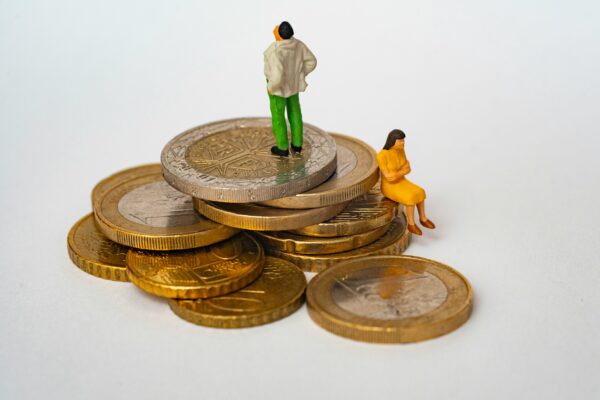
Here we explore how income inequality differs across the world, focusing particularly on the ten most powerful economies and examining the policies and structures that shape their income distribution.

Twice every year millions of people experience a small but disruptive event: the clocks move forward or backward. The practice, known as Daylight Saving Time (DST), was originally intended to conserve energy and make better use of daylight hours. Yet over the last several decades, research in medicine, psychology, and economics has increasingly questioned whether…
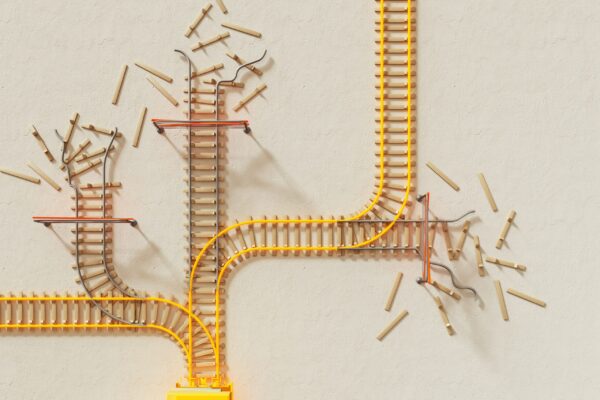
Our picture of reality is shaped by our history and our existing understanding, revealing the hidden skew in everything. That is what makes up bias.